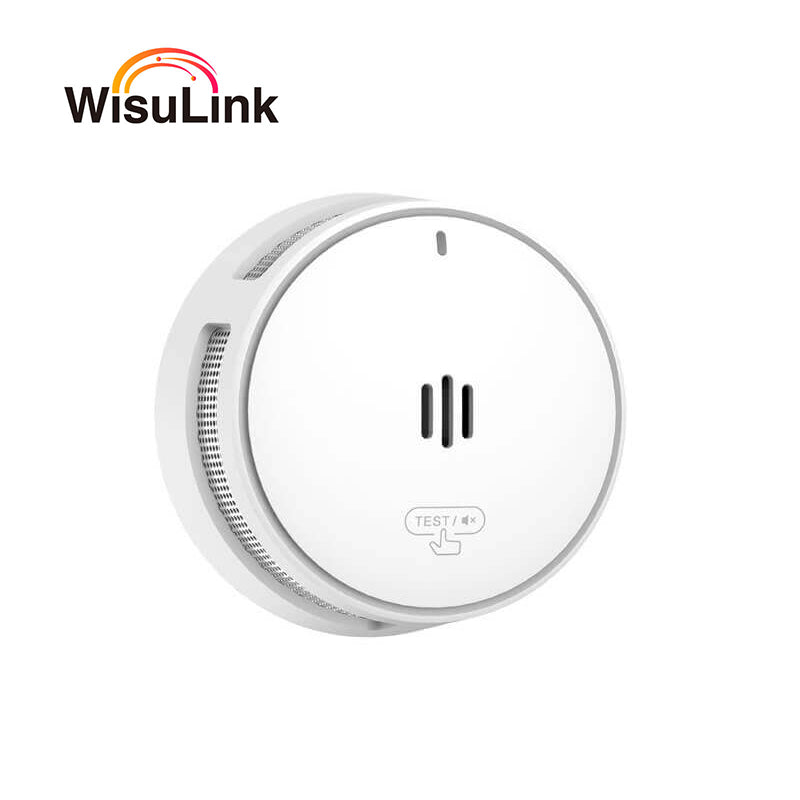
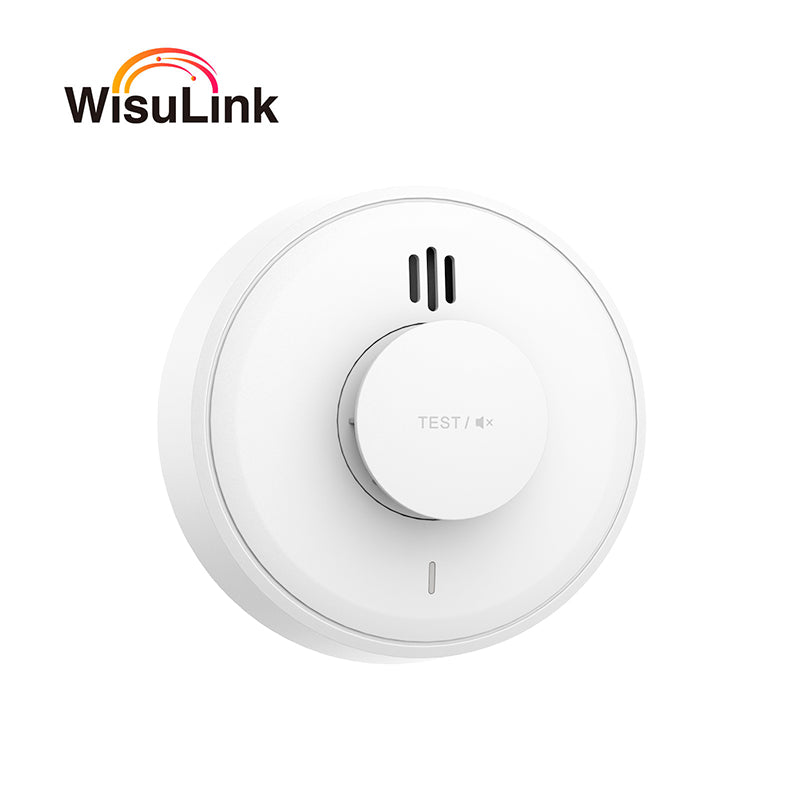
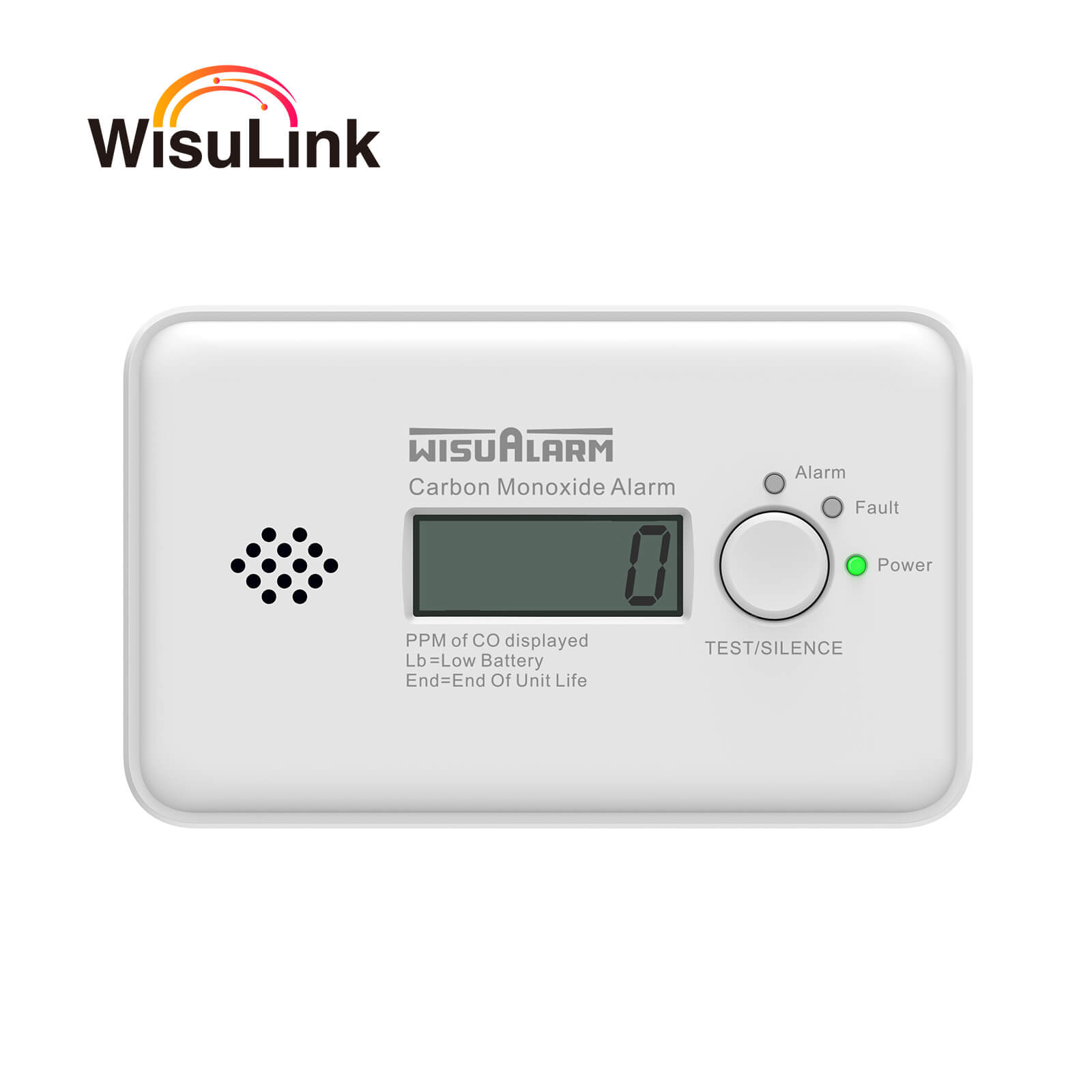
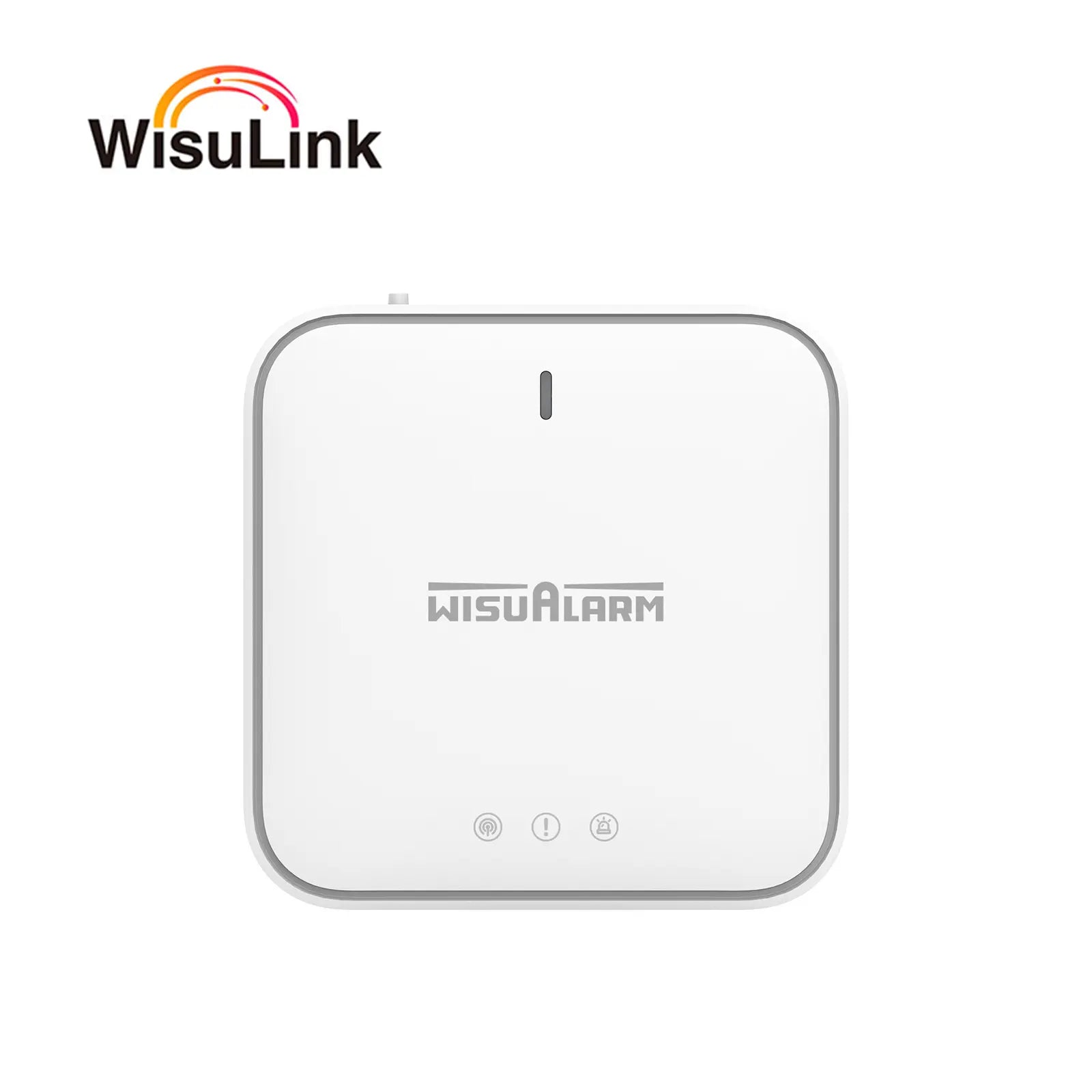
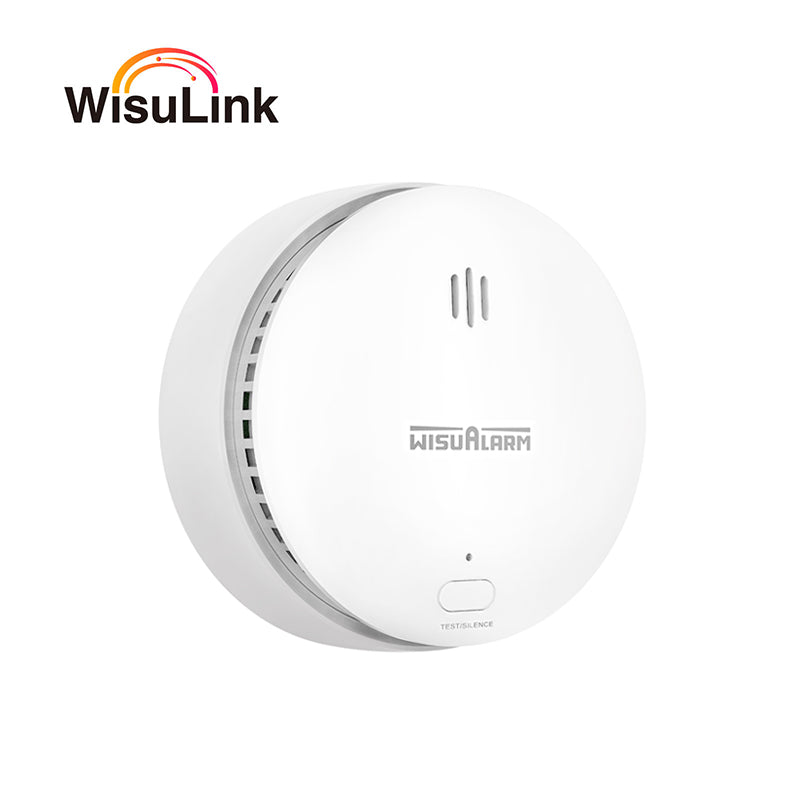
86.6 mm × 86.6 mm × 29.2 mm (3.41" × 3.41"× 1.15")
86.6 mm × 86.6 mm × 29.2 mm (3.41" × 3.41"× 1.15")
Certification
CE, EN50194
CE, EN50194
FAQ
FAQ
Is gas alarm same as carbon monoxide alarm?
No, a gas alarm and a carbon monoxide alarm are not the same. A gas alarm detects a variety of gases, including natural gas and propane. It alerts you to potential leaks and helps prevent accidents. On the other hand, a carbon monoxide alarm specifically detects the odorless and colorless gas that can be produced by burning fuels. It is designed to protect against carbon monoxide poisoning, which can be deadly. While both alarms focus on safety, they serve different purposes.
Where should you put a gas alarm?
A gas alarm should be installed in locations where gas appliances or pipes are present, such as near gas stoves, water heaters, or furnaces. It is also recommended to place a gas alarm near any potential sources of gas leaks, like in basements or utility rooms. It is important to follow the manufacturer's instructions for proper placement and to ensure maximum effectiveness in detecting gas leaks.
How often should gas alarms be tested and maintained?
Gas alarms should be tested regularly to ensure they are working properly. It is generally recommended to test them at least once a month by pressing the test button. Additionally, it is important to maintain gas alarms by keeping them clean and free from dust or debris.
Are gas alarms in Europe compliant with safety standards?
Yes, Our gas alarms are all CE certified and comply with European market standards, so you can buy and use them with confidence.
Fire safety is the cornerstone of a secure home, but for many homeowners and renters, the thought of installation—drilling into pristine ceilings, dealing with drywall dust, or accidentally hitting electrical...
The dream of "Van Life" has swept across Europe. From the rugged coastlines of Brittany to the snow-capped peaks of the Dolomites, more travelers than ever are trading hotel rooms...
In the realm of home maintenance, there are tasks we enjoy—like landscaping or interior decorating—and tasks we dread, like the persistent, high-pitched chirp of a smoke detector in the middle...
Introduction: Beyond the Beep – A New Era of Fire Protection For decades, the standard fire safety protocol in European households was simple: install a single, battery-operated smoke detector in...
In the world of fire safety, time is the only currency that truly matters. For decades, traditional smoke and heat detectors have been the gold standard for saving lives. However,...
Le feu est l'un des risques domestiques les plus redoutés en France. Chaque année, on dénombre environ 300 000 départs de feu dans les habitations, soit un incendie toutes les...
Introduction: The Underestimated Danger Within Your Own Four Walls In Germany, most people associate "fire protection" primarily with the visible smoke of a fire. However, the most dangerous threat in...
Germany has long been a global leader in engineering, precision, and safety standards. From the stringent requirements of the TÜV to the high benchmarks set by VdS (Verband der Sachversicherer),...
For decades, the standard smoke alarm has been the frontline defender against fire in our homes and businesses. We all know the high-pitched shriek that sends a jolt through us,...