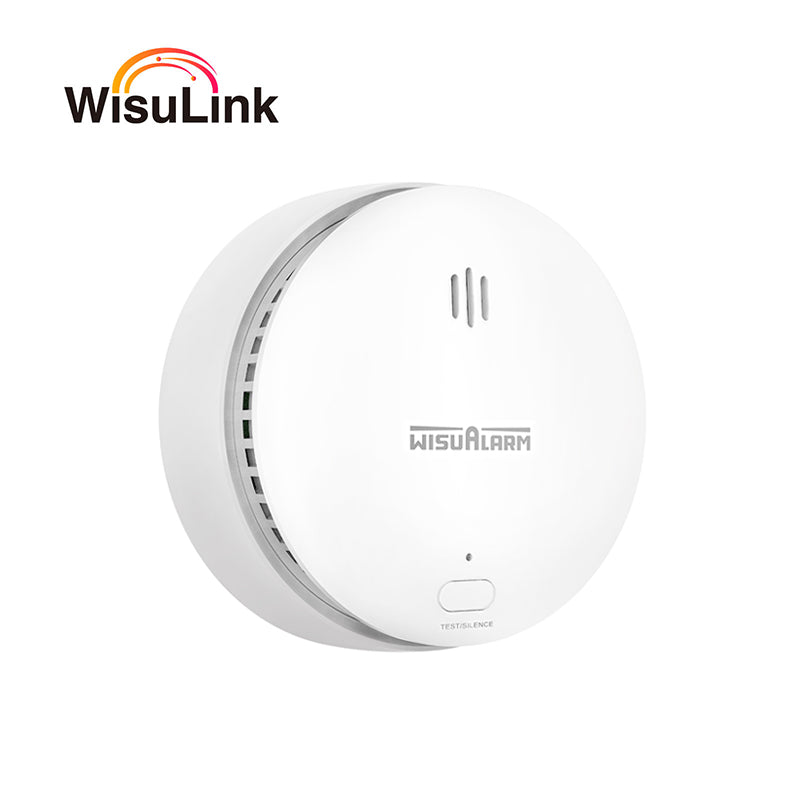
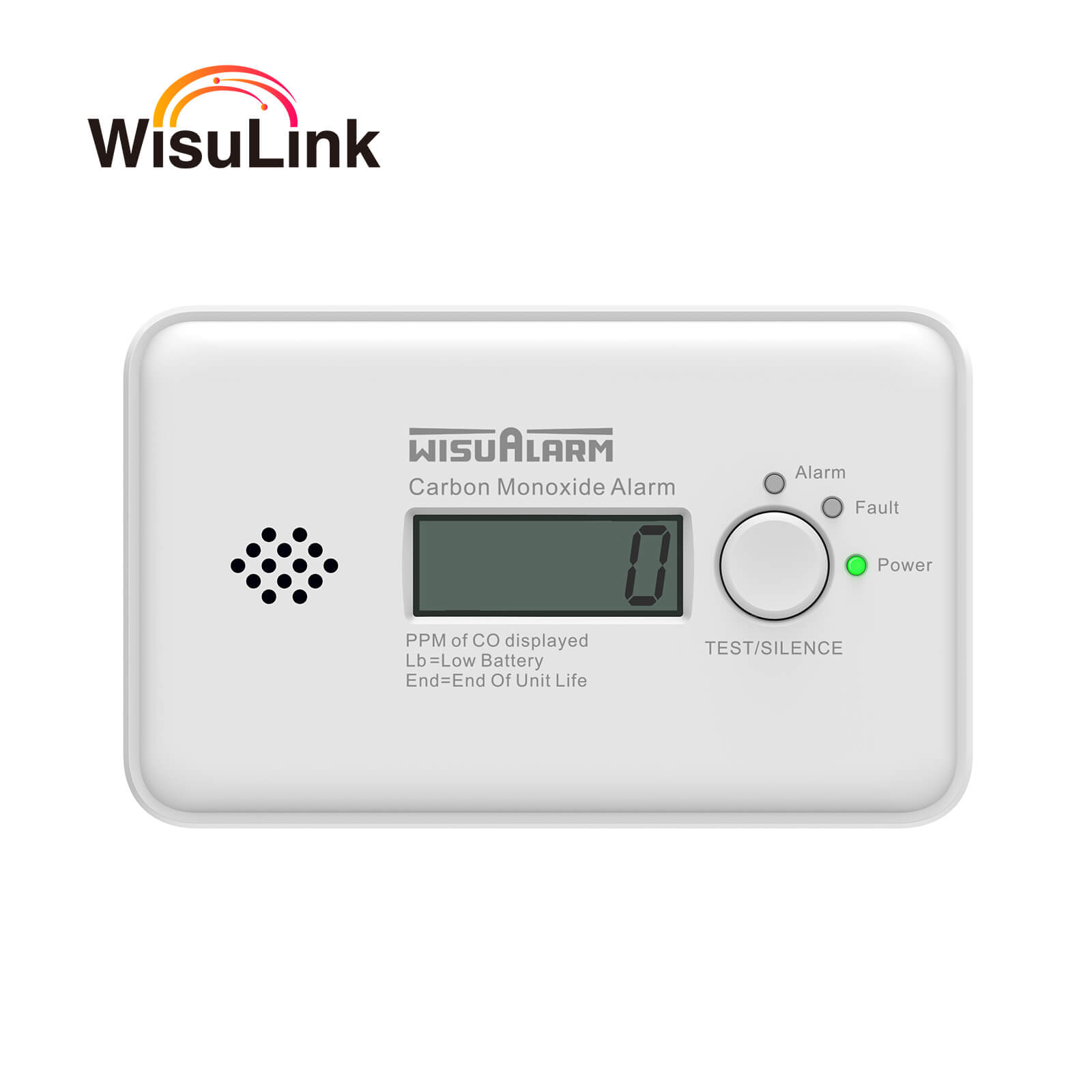
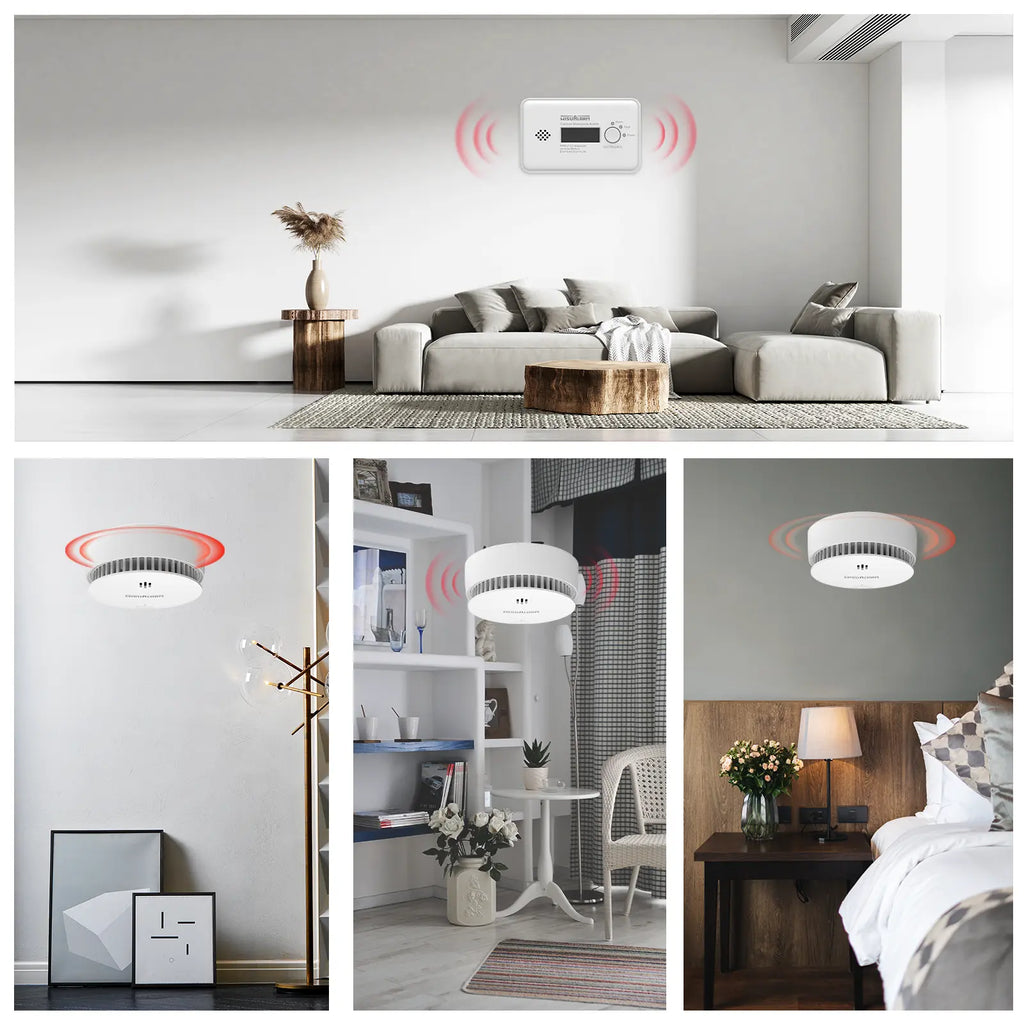
Discover our wide selection of smoke and heat alarms tailored to meet your home safety requirements. Whether you prefer battery-operated smoke alarms for quick installation or interconnected alarms for improved safety, we have the right solution for you.
Need a Shopping Assistant?
Simplify your shopping experience with our expert Buying Guide!
What features should I look for in a smoke detector?
When choosing a smoke detector, consider the following features:
Sensor Type: Look for photoelectric sensors, which are better at detecting smoldering fires, or ionization sensors, which are more responsive to flaming fires. Some detectors combine both types for comprehensive protection.
Smart Technology: Consider detectors that offer smart features like mobile alerts, voice notifications, and integration with home security systems.
Battery Life: Choose between units with replaceable batteries or sealed lithium batteries that last up to 10 years.
Silencing Features: Look for smoke detectors with hush buttons and app integrations that help minimize false alarms while maintaining safety.
What are the differences between Photoelectric sensors and Ionization sensors in smoke alarms?
Photoelectric sensors in smoke detectors use light to detect smoke particles, while ionization sensors use an electrical current. Photoelectric sensors are better for detecting smoldering fires, while ionization sensors are better for detecting fast-burning fires.
How often should I replace my smoke detector?
Smoke detectors generally have a lifespan of about 10 years. It's crucial to track the age of your units and replace them once they reach this age to ensure maximum efficacy. Additionally, replace the smoke detector sooner if you experience frequent false alarms, if the unit fails to respond during testing, or if it shows damage. To help remember, consider marking the replacement date on your calendar or setting a reminder.
Can I use a smoke detector in my kitchen?
While it's essential to have smoke detectors in your home, it's not recommended to install standard smoke detectors directly in your kitchen due to the risk of false alarms from cooking fumes or steam. Instead, consider the following:
Photoelectric Detectors: If you want a smoke detector close to the kitchen, opt for a photoelectric model, which is less likely to be triggered by cooking-related fumes.
Placement: Install the smoke detector at least 10 feet away from cooking appliances to minimize nuisance alarms. Consider using a heat detector in areas where smoke detectors might face issues due to cooking.
You start looking for wireless smoke alarms because you want every alarm in the house to sound together. Then you find smart models with app notifications, alarms that need a...
Wired or wireless smoke alarms — which is right for your home? If you want multiple alarms to sound together, you don't necessarily need to run new cables. Wireless interlinked...
A garage isn't quite like a bedroom, kitchen or living room when it comes to fire detection. Cars, EV chargers, power tools, batteries, dust and temperature changes can all create...
Wildfires are becoming a bigger concern across Europe. In 2026, large fires affected Spain, France, Portugal, Italy, Greece and other European regions, with more than 600,000 hectares burned across the...
A pan catches fire. For a moment, you freeze. Should you grab water? Move the pan? Look for something to cover it? These are exactly the kinds of questions people...
A heatwave changes how we use our homes. Fans run for longer, air conditioners work harder, electrical appliances stay switched on for extended periods, and outdoor cooking becomes more common....
Open-plan kitchens are now common in many UK and European homes. Removing the wall between a kitchen and living room creates a more open space—but it can also change how...
How ageing populations, independent living and accessible technology are reshaping home safety Europe’s homes are changing. For many years, home safety was mainly focused on preventing immediate risks — installing...