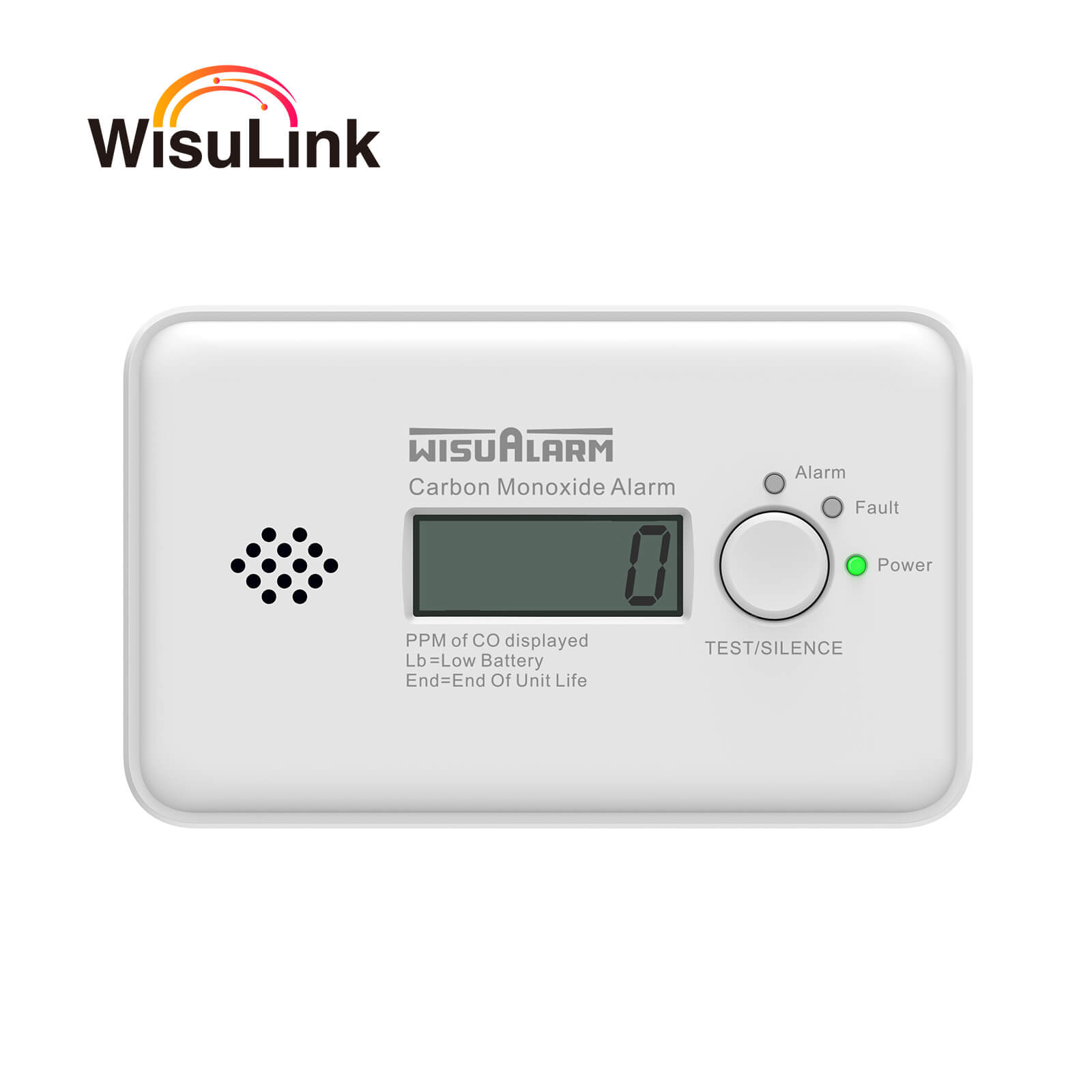
86.6 mm × 86.6 mm × 29.2 mm (3.41" × 3.41"× 1.15")
86.6 mm × 86.6 mm × 29.2 mm (3.41" × 3.41"× 1.15")
Certification
CE, EN50194
CE, EN50194
FAQ
FAQ
Is gas alarm same as carbon monoxide alarm?
No, a gas alarm and a carbon monoxide alarm are not the same. A gas alarm detects a variety of gases, including natural gas and propane. It alerts you to potential leaks and helps prevent accidents. On the other hand, a carbon monoxide alarm specifically detects the odorless and colorless gas that can be produced by burning fuels. It is designed to protect against carbon monoxide poisoning, which can be deadly. While both alarms focus on safety, they serve different purposes.
Where should you put a gas alarm?
A gas alarm should be installed in locations where gas appliances or pipes are present, such as near gas stoves, water heaters, or furnaces. It is also recommended to place a gas alarm near any potential sources of gas leaks, like in basements or utility rooms. It is important to follow the manufacturer's instructions for proper placement and to ensure maximum effectiveness in detecting gas leaks.
How often should gas alarms be tested and maintained?
Gas alarms should be tested regularly to ensure they are working properly. It is generally recommended to test them at least once a month by pressing the test button. Additionally, it is important to maintain gas alarms by keeping them clean and free from dust or debris.
Are gas alarms in Europe compliant with safety standards?
Yes, Our gas alarms are all CE certified and comply with European market standards, so you can buy and use them with confidence.
You start looking for wireless smoke alarms because you want every alarm in the house to sound together. Then you find smart models with app notifications, alarms that need a...
Wired or wireless smoke alarms — which is right for your home? If you want multiple alarms to sound together, you don't necessarily need to run new cables. Wireless interlinked...
A garage isn't quite like a bedroom, kitchen or living room when it comes to fire detection. Cars, EV chargers, power tools, batteries, dust and temperature changes can all create...
Wildfires are becoming a bigger concern across Europe. In 2026, large fires affected Spain, France, Portugal, Italy, Greece and other European regions, with more than 600,000 hectares burned across the...
A pan catches fire. For a moment, you freeze. Should you grab water? Move the pan? Look for something to cover it? These are exactly the kinds of questions people...
A heatwave changes how we use our homes. Fans run for longer, air conditioners work harder, electrical appliances stay switched on for extended periods, and outdoor cooking becomes more common....
Open-plan kitchens are now common in many UK and European homes. Removing the wall between a kitchen and living room creates a more open space—but it can also change how...
How ageing populations, independent living and accessible technology are reshaping home safety Europe’s homes are changing. For many years, home safety was mainly focused on preventing immediate risks — installing...