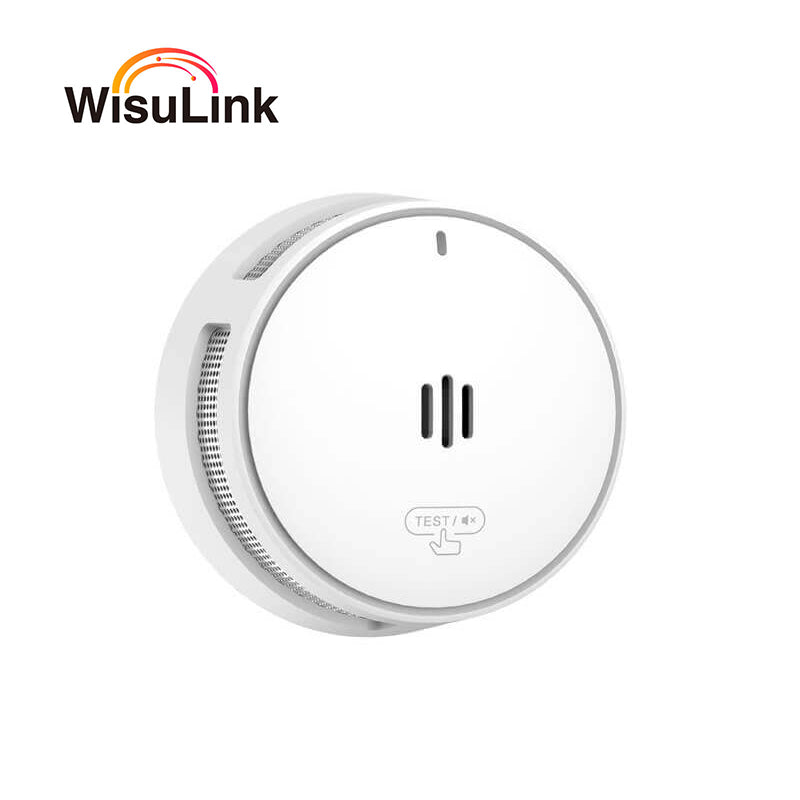
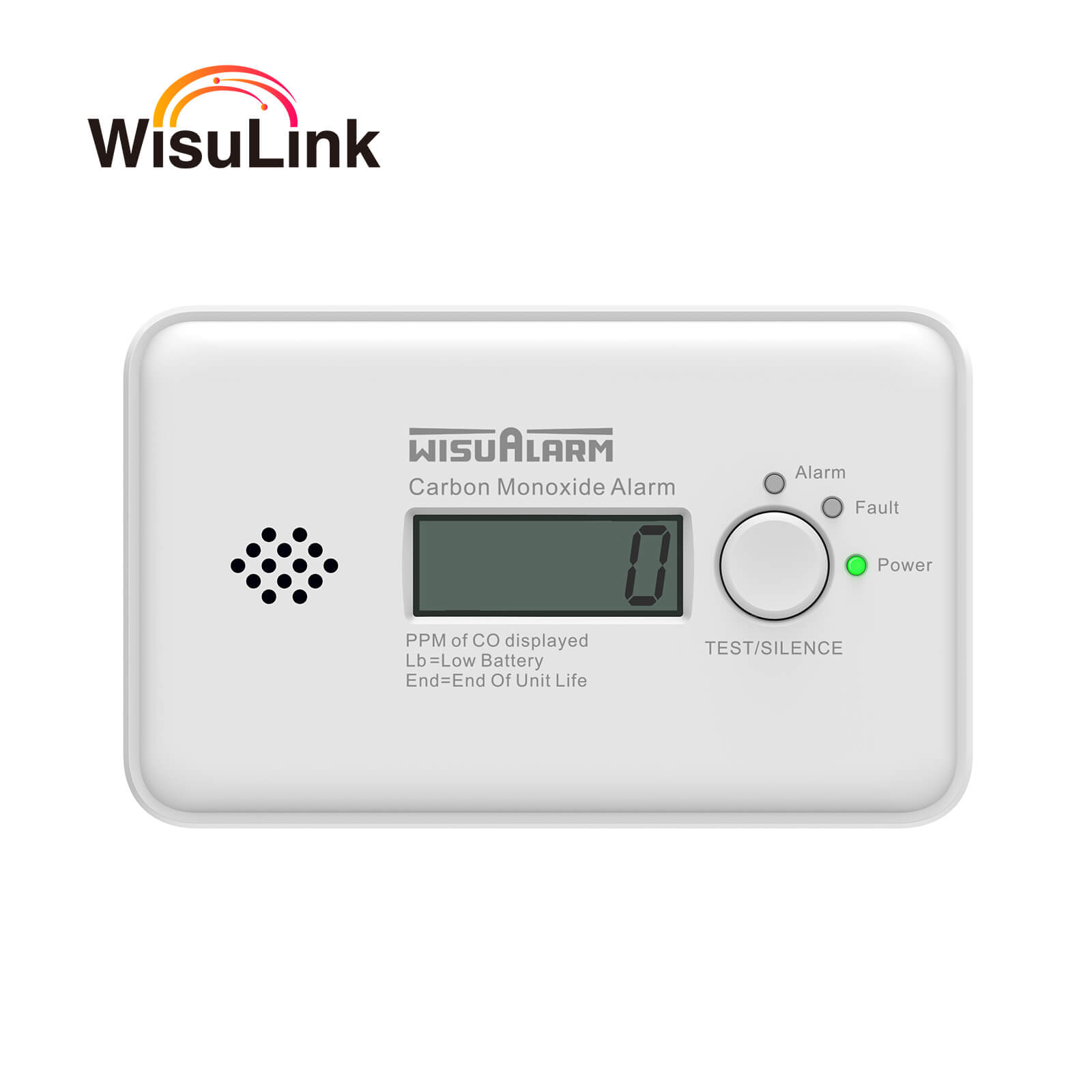
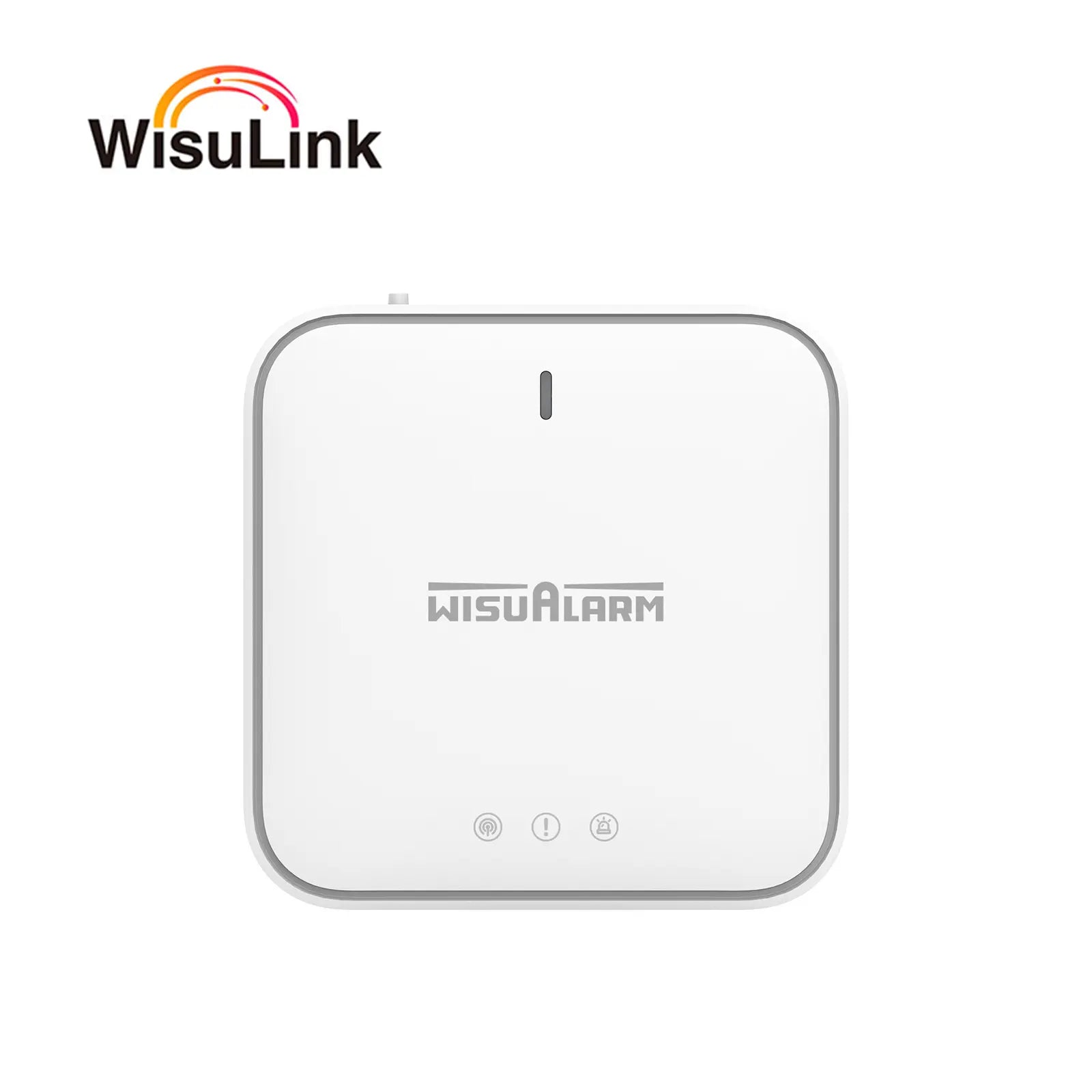
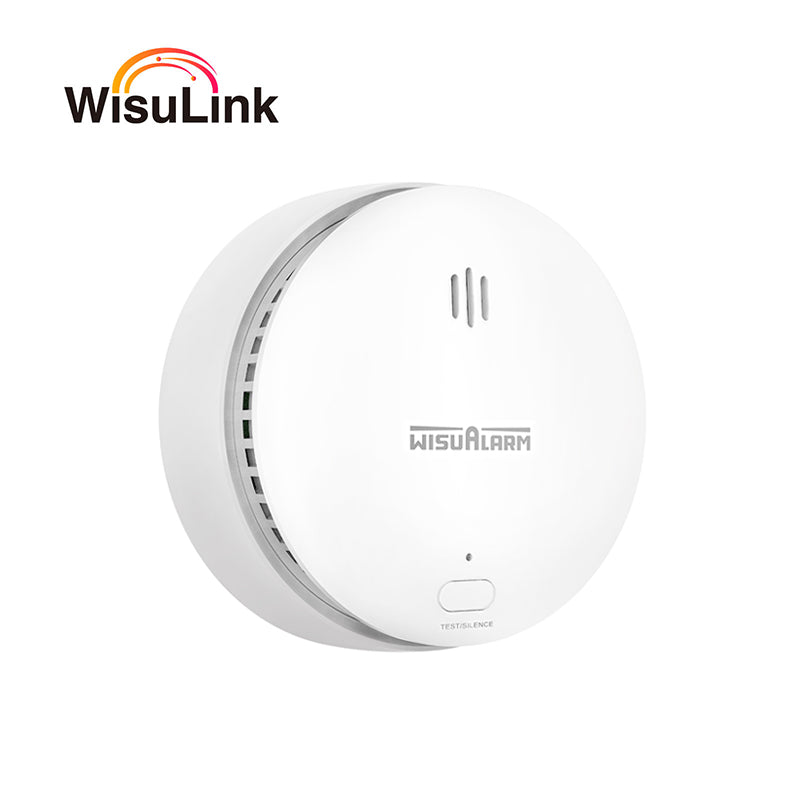
86.6 mm × 86.6 mm × 29.2 mm (3.41" × 3.41"× 1.15")
86.6 mm × 86.6 mm × 29.2 mm (3.41" × 3.41"× 1.15")
Certification
CE, EN50194
CE, EN50194
FAQ
FAQ
Is gas alarm same as carbon monoxide alarm?
No, a gas alarm and a carbon monoxide alarm are not the same. A gas alarm detects a variety of gases, including natural gas and propane. It alerts you to potential leaks and helps prevent accidents. On the other hand, a carbon monoxide alarm specifically detects the odorless and colorless gas that can be produced by burning fuels. It is designed to protect against carbon monoxide poisoning, which can be deadly. While both alarms focus on safety, they serve different purposes.
Where should you put a gas alarm?
A gas alarm should be installed in locations where gas appliances or pipes are present, such as near gas stoves, water heaters, or furnaces. It is also recommended to place a gas alarm near any potential sources of gas leaks, like in basements or utility rooms. It is important to follow the manufacturer's instructions for proper placement and to ensure maximum effectiveness in detecting gas leaks.
How often should gas alarms be tested and maintained?
Gas alarms should be tested regularly to ensure they are working properly. It is generally recommended to test them at least once a month by pressing the test button. Additionally, it is important to maintain gas alarms by keeping them clean and free from dust or debris.
Are gas alarms in Europe compliant with safety standards?
Yes, Our gas alarms are all CE certified and comply with European market standards, so you can buy and use them with confidence.
Why Are European Homeowners Rethinking Their Smoke Alarms? Many European homes already have traditional smoke alarms installed. The question for many homeowners is no longer whether they need a smoke...
In recent months, European fire safety discussions have increasingly focused on smarter residential detection systems, driven by updates and guidance trends from organizations such as Euralarm, Kiwa, and publications like...
As modern living spaces across Europe evolve, the standard for residential safety is shifting. Today’s energy-efficient homes, characterized by open-plan layouts, integrated heating systems, and high electrical dependency, present a...
In Europe, smoke alarms are no longer seen as simple standalone devices installed on the ceiling. Homeowners, landlords, and installers are increasingly adopting connected home safety systems, where multiple devices...
When you browse home safety forums like r/homeowners or r/HomeImprovement, you’ll often find users venting about "chirping" detectors or false alarms during dinner prep. For many, a smoke alarm or carbon...
When designing safety frameworks for mobile living spaces, overlanding rigs, or remote off-grid campsites across Europe, traditional smart security architecture hits a major bottleneck: energy and connectivity dependencies. Standard Wi-Fi-based...
When it comes to protecting your home and family, there is no room for compromise. In Europe, fire safety is governed by rigorous standards designed to ensure that every household...
Fire protection has changed drastically in recent years. What began as a simple, loud beeper on the ceiling has evolved into a highly complex, life-saving network. While smoke alarm requirements...
In Germany, the concept of Brandschutz (fire protection) is deeply ingrained in both public consciousness and strict building regulations. Whether you live in a modern Neubau apartment in Berlin or...