
Introduction: Beyond the Beep – A New Era of Fire Protection For decades, the standard fire safety protocol in European households was simple: install a single, battery-operated smoke detector in the hallway and hope it never makes a sound. However, as European architecture evolves and our homes become filled with more electronics, lithium-ion batteries, and open-plan designs, the "standalone" alarm has become a relic of the past. Across the EU—from the strict regulations in Germany to the recent legislative overhauls in Scotland and Scandinavia—there is a growing consensus: Interconnectivity is no longer an optional upgrade; it is a life-saving necessity. In this comprehensive guide, we will explore the science behind interconnected smoke alarms, the shifting legal landscape across Europe, and...
Stop Fires Faster: The Power of Flame Detection Cameras
In the world of fire safety, time is the only currency that truly matters. For decades, traditional smoke and heat detectors have been the gold standard for saving lives. However, as modern architecture becomes more complex and industrial environments more hazardous, the limitations of conventional technology have become increasingly apparent. By the time smoke reaches a ceiling-mounted sensor, a fire has often already transitioned into a high-energy, destructive phase. What if you could detect the very first flicker of a flame—even before the human eye or a standard sensor notices anything wrong? Flame Detection Network Cameras represent the leap from "waiting for smoke" to "proactive visual intelligence." In this deep dive, we explore why this technology is essential for the...
Tout savoir sur les Détecteurs de Fumée Certifiés NF : Sécurité, Loi et Protection Maximale
Le feu est l'un des risques domestiques les plus redoutés en France. Chaque année, on dénombre environ 300 000 départs de feu dans les habitations, soit un incendie toutes les deux minutes. Face à ce danger, le Détecteur Avertisseur Autonome de Fumée (DAAF) est votre premier rempart. Cependant, tous les dispositifs ne se valent pas. Pourquoi la certification NF est-elle le critère de choix numéro un ? Comment optimiser votre installation ? Ce guide complet vous explique tout ce que vous devez savoir pour protéger votre foyer. 1. Pourquoi la sécurité incendie est-elle une priorité absolue ? En France, la majorité des décès liés aux incendies surviennent la nuit, non pas à cause des flammes, mais à cause des fumées...
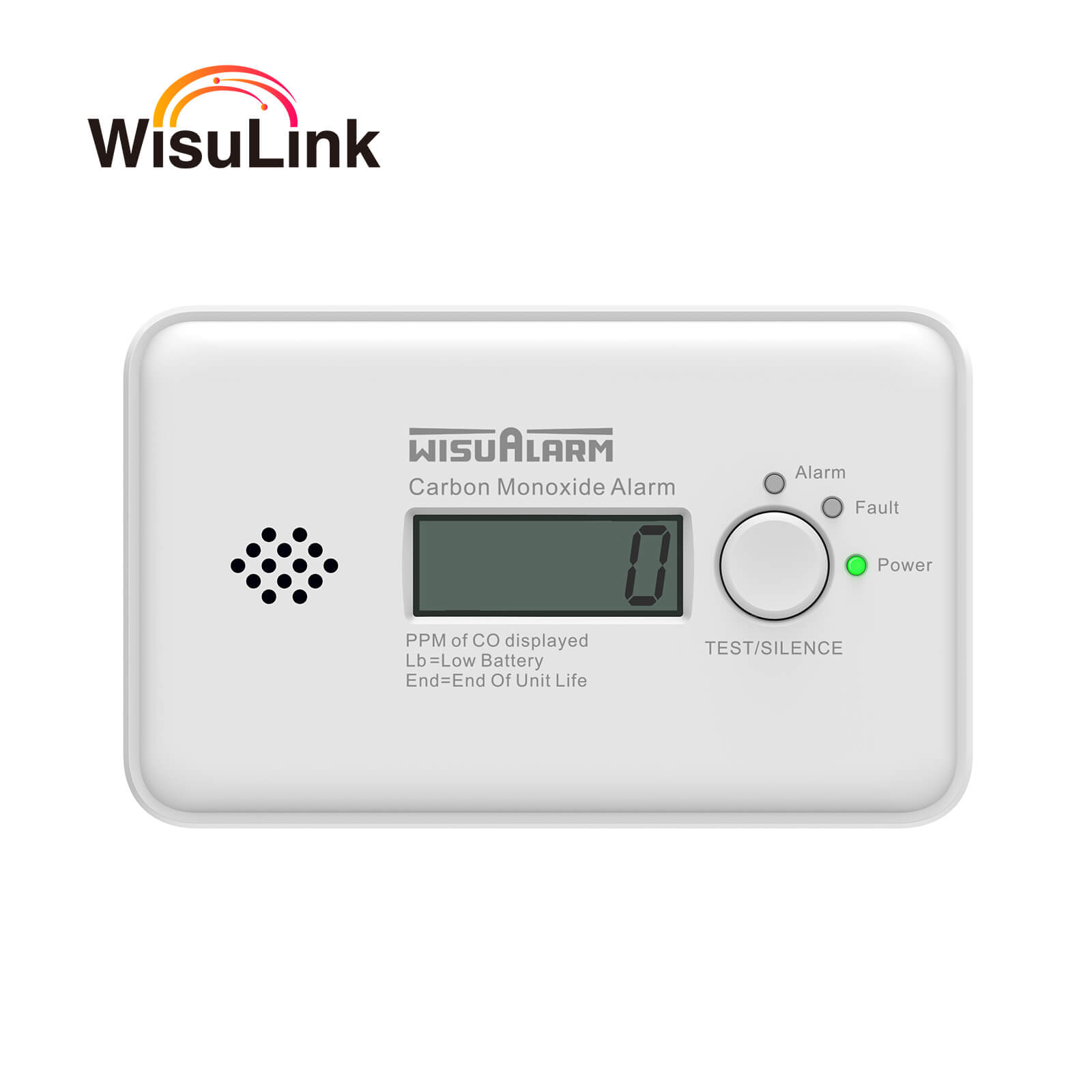
Il "killer silenzioso" in casa: perché un rilevatore di monossido di carbonio è fondamentale per le famiglie tedesche
Introduzione: Il pericolo sottovalutato tra le proprie quattro mura In Germania, la maggior parte delle persone associa la "protezione antincendio" principalmente al fumo visibile di un incendio. Tuttavia, la minaccia più pericolosa nei nostri salotti è spesso completamente invisibile, inodore e insapore: il monossido di carbonio (CO). Ogni anno, gli ospedali tedeschi registrano migliaia di emergenze e centinaia di decessi dovuti all'avvelenamento da CO. Poiché i sensi umani non possono rilevare questo gas, spesso viene notato solo quando è troppo tardi. 1. La fisiologia del pericolo: cosa succede nell'organismo? Il monossido di carbonio viene prodotto durante la combustione incompleta di materiali a base di carbonio come gas, petrolio, legno o carbone. Il pericolo chimico risiede nell'affinità del CO per l'emoglobina...