


A garage isn't quite like a bedroom, kitchen or living room when it comes to fire detection.
Cars, EV chargers, power tools, batteries, dust and temperature changes can all create a different environment. This raises a common question among homeowners:
Should you put a smoke alarm in the garage, or is a heat alarm more suitable?
Recent Reddit discussions show that this is still a practical concern. Homeowners have been comparing smoke and heat detectors for garages containing vehicles, tools and other equipment. Another recent discussion considered how a garage alarm could alert people inside the home when a bedroom is directly above the garage.
The right choice depends on the environment, potential fire sources and how the garage connects to the rest of the home.

Should You Put a Smoke Alarm in the Garage?
There isn't one answer for every garage.
A smoke alarm in a garage can be affected by vehicle exhaust, dust, fumes or workshop activity. In some environments, this can make a heat alarm more suitable.
The more useful question is:
Which type of detector is appropriate for this particular garage?
Local fire-safety requirements and the manufacturer's installation instructions should determine the final choice.
Smoke or Heat Alarm for a Garage?
This is one of the most common questions around garage fire alarms.
When Is a Heat Alarm Better for a Garage?
A garage heat alarm can be useful where normal conditions may make smoke detection less suitable.
Garages can contain:
- Vehicles and exhaust
- Power tools and batteries
- Dust and airborne particles
- Temperature fluctuations
- Workshop equipment
A heat alarm responds to temperature conditions rather than smoke particles, making it a practical option for some garage environments.
Recent Reddit discussions reflect this same trade-off, with homeowners comparing smoke and heat detectors for garages used for cars, tools and other equipment.
Does a Garage Alarm Need to Connect to the Home?
For an attached garage, this can be just as important as the detector type.
If a fire starts in the garage while people are upstairs or elsewhere in the house, a standalone alarm may not provide the same level of whole-home awareness as an interconnected system.
A useful setup is:
Garage Detection → Wireless Interconnection → Indoor Alarms
This is particularly relevant when a garage is directly below bedrooms or living areas.
What About a Detached Garage?
A detached garage fire alarm presents a different challenge because the building is separated from the main house.
Here, consider:
- Detection suitable for the environment
- Wireless communication range
- How the alarm can alert people outside the garage
- Battery life and maintenance access
A connected system can be useful when the garage is not regularly occupied, provided the communication range and installation conditions are suitable.
What Alarm Should You Use in a Basement?
The basement smoke alarm question depends largely on how the basement is used.
A finished basement used as living space is different from a utility room containing a boiler, furnace, water heater or other equipment.
For a basement utility area, consider the specific conditions in the room:
- Smoke detection for fire
- Heat detection where environmental conditions make smoke detection less suitable
- CO detection around combustion appliances
Recent homeowner discussions also show people reconsidering detector placement around basement utility rooms and heating equipment.
The same principle applies as with garages:
Choose the detector for the environment, not simply the room name.
How Can Interlinked Smoke and Heat Alarms Protect the Whole Home?
A garage, basement or utility room doesn't always need the same type of detector as a bedroom or living area.
What matters is choosing detection that suits each environment while keeping the alarms connected.
Wireless interlinked smoke and heat alarms can allow different areas of a property to work as one system:
Garage → Basement → Utility Room → Living Areas
When one alarm detects a potential fire, interconnected alarms can alert people in other parts of the home as well.
This can be particularly useful for an attached garage, a basement below bedrooms or a property with several separate utility areas.
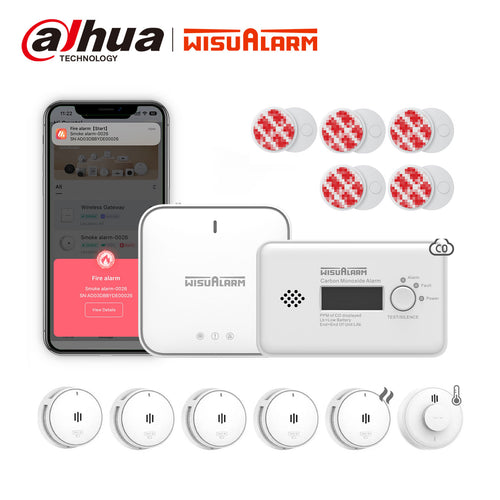
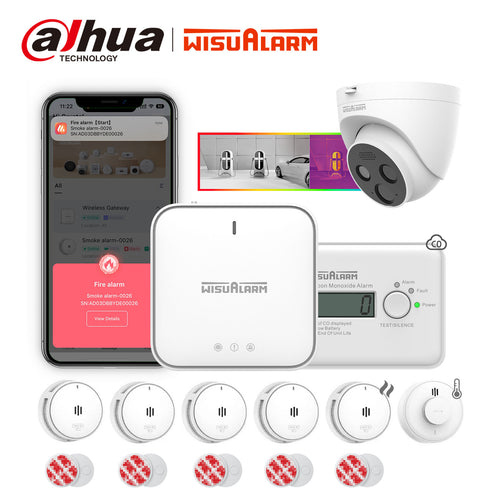
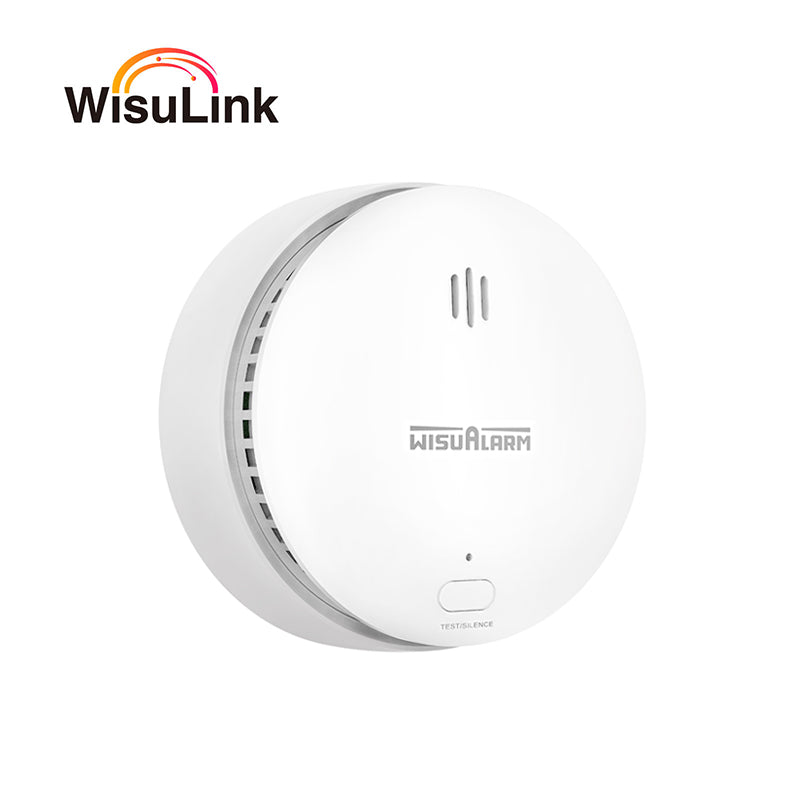
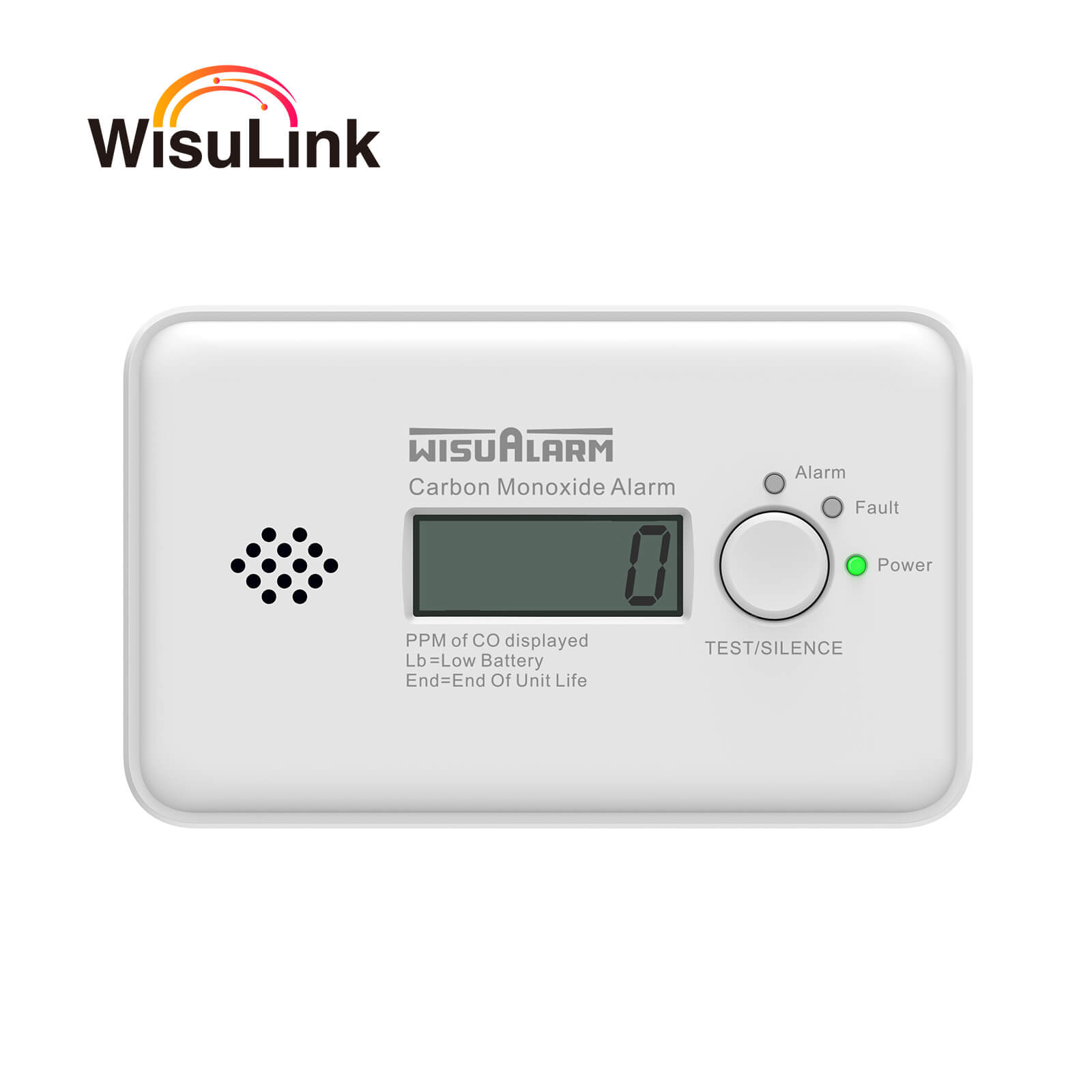
Wisualarm's wireless interlinked smoke, heat and CO alarm system uses a gateway to connect different types of safety alarms within one network. Depending on the configuration, the system can also provide alarm location, remote management and app notifications.
This approach means the garage or basement doesn't have to be treated as an isolated part of the property.
Where Should You Install a Garage or Basement Alarm?
There isn't one placement that works for every property.
Consider the room layout, potential fire sources, ceiling configuration and applicable local requirements.
| Area | Main consideration |
|---|---|
| Attached garage | Detector type + connection to indoor alarms |
| Detached garage | Detection + wireless communication range |
| Basement living area | Smoke detection and normal residential placement |
| Basement utility room | Equipment, combustion sources and detector type |
| Workshop / storage area | Dust, fumes and environmental conditions |
| High garage ceiling | Accessibility and maintenance |
For a high ceiling smoke alarm, accessibility matters too. If the detector is difficult to reach, long battery life, wireless interconnection and remote management can make routine maintenance easier.
What About a Basement Workshop or Utility Area?
A basement workshop can have very different conditions from a finished living area.
DIY activities, dust, fumes or equipment may affect which type of detector is appropriate. A utility room with heating or combustion equipment also brings different considerations, particularly where CO detection is relevant.
Rather than installing the same alarm everywhere, consider the specific environment and the risks associated with the equipment in that room.
Smoke or Heat Alarm for Garage and Basement: What's the Key Difference?
The short answer is:
It depends on the environment.
A bedroom, garage and utility room don't have the same conditions, so they don't necessarily need the same detector.
For some garages, a heat alarm may be more practical where exhaust, dust or workshop conditions could affect smoke detection. A basement utility room may require consideration of smoke, heat and CO detection around heating or combustion equipment.
The important combination is:
Suitable detection + appropriate placement + interconnection + practical maintenance
A Simple Checklist for Garage and Basement Fire Detection
Before deciding on a detector, ask:
- What are the main fire sources in the space?
- Could normal conditions cause nuisance alarms?
- Would smoke, heat or CO detection be appropriate?
- Can the alarm communicate with the rest of the home?
- How will it be tested and maintained?
These questions are especially useful for garage fire alarms, basement smoke alarms and utility-room detectors, where the environment can differ significantly from normal living spaces.
Final Takeaway
Questions such as “Should I put a smoke alarm in the garage?”, “Smoke or heat alarm for a garage?” and “What alarm should I use in a basement?” all come down to the same principle:
Choose the detector for the environment, then consider how it connects to the rest of the home.
For garages, basements and utility areas, the right combination of smoke, heat and CO detection, wireless interconnection and practical system management can provide more consistent whole-home protection.
The goal isn't to install the same detector everywhere.
It's to use the right type of detection in each space while keeping the home connected as one safety system.