


“My boiler has been off all summer. Can I just turn it back on?”
“It was serviced last year — do I still need a CO alarm?”
“What should I check before using my fireplace again?”
These are the questions that tend to come up when the first colder days arrive.
And there is one more worth asking:
Is your CO protection ready for another heating season?
The Heating Is Coming Back On. What Changed Since Last Winter?
Your boiler may look exactly the same. Your home might not be.
Over the past few months, have you:
-
changed windows or insulation?
-
blocked or covered a ventilation opening?
-
moved furniture around a boiler, stove or fireplace?
-
added or replaced a gas appliance?
-
left a chimney or flue unchecked?
-
forgotten how old your CO alarm is?
You don't need to assume there is a problem.
Just don't assume everything is exactly as it was last winter.
That is why the start of the heating season is a good time for a quick check.
Your Boiler Was Serviced — But What About Your CO Protection?
A boiler service is important. But it isn't the same thing as having a working CO alarm.
Think of it simply:
Boiler service → checks the heating system.
CO alarm → warns you when CO is detected.
One doesn't replace the other.
French health guidance, for example, recommends having heating appliances and flues checked and maintained, including before putting them back into use after a period of inactivity.
So if you've already booked your annual service, that's one box ticked.
Now check the detector.
Before You Switch the Heating On, Check These 5 Things
| Check | Quick question |
|---|---|
| Heating appliance | Has it had the required maintenance? |
| Flue or chimney | Has it been checked and kept clear? |
| Ventilation | Are air vents unobstructed? |
| CO alarm | Is it working and within its service life? |
| Alarm status | Any low-battery or fault warning? |
And don't forget what may have changed since last winter.
New windows? New heating appliance? Renovation? Different room layout?
Those changes are worth considering before the heating goes back on.
What If the Heating Is Fine — But Your CO Alarm Isn't?
This is the easy one to miss.
You check the boiler.
You check the heating.
You switch it on.
But when did you last check the CO detector?
Before winter, look for four simple things:
Old? Check its stated service life.
Low battery? Replace or recharge as instructed.
Fault warning? Don't ignore it.
Age unknown? If you can't tell how old the detector is, check its documentation or consider replacing it.
A heating-season check shouldn't only be about the appliance.
The detector watching over it needs to be ready too.
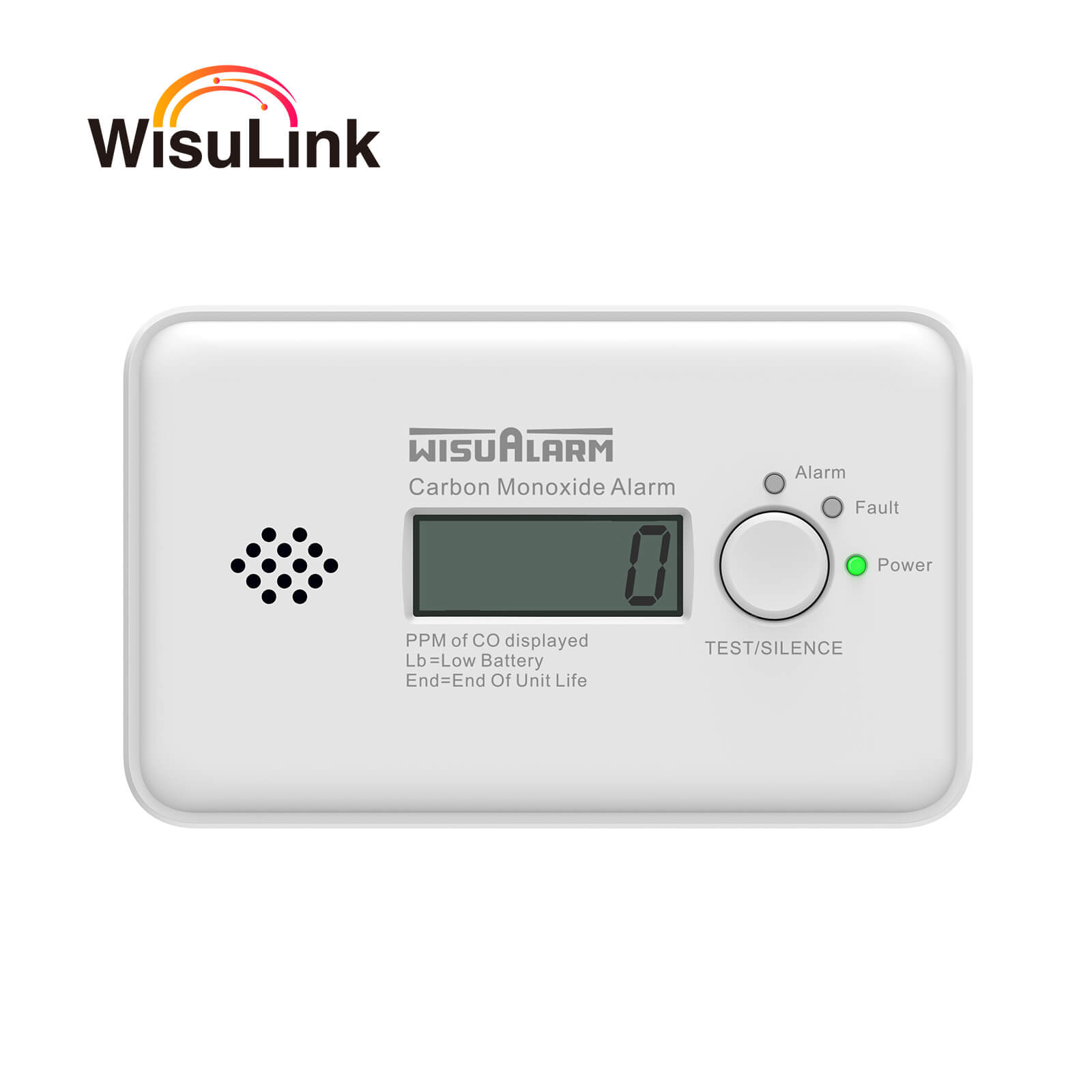
If your CO alarm is due for replacement or you want to add CO protection before the heating season starts, a certified carbon monoxide detector can be a practical part of your home-safety setup.
What Does Your Country Actually Require?
This is where things get less straightforward.
A CO alarm may be a sensible safety measure without being a legal requirement in every European country.
France
In France, smoke alarms are required in homes, but a CO alarm is not currently mandatory nationwide in 2026.
France does have rules addressing the prevention of CO poisoning from combustion appliances, and there has been recent discussion around extending CO alarm requirements to homes using such appliances.
If you choose a CO detector, French health guidance recommends a device declared compliant with NF EN 50291.
Germany
Germany's smoke alarm requirements and CO detection are separate matters.
Smoke alarm obligations apply across Germany, while CO detection is covered by relevant technical guidance, including DIN EN 50292, depending on the home's combustion appliances and circumstances.
Across Europe
One distinction is worth keeping in mind:
Product compliance ≠ installation requirement.
Check both the standards applying to the product and the rules that apply to your home.
Don't Wait for the First Cold Night
You don't need a complicated winter safety routine.
Before the heating goes back on:
Check the appliance.
Check the flue.
Keep ventilation clear.
Test the CO alarm.
Check its age and condition.
For homes using gas boilers, fireplaces, wood burners or other combustion appliances, a dedicated CO alarm can add another layer of warning alongside proper maintenance.
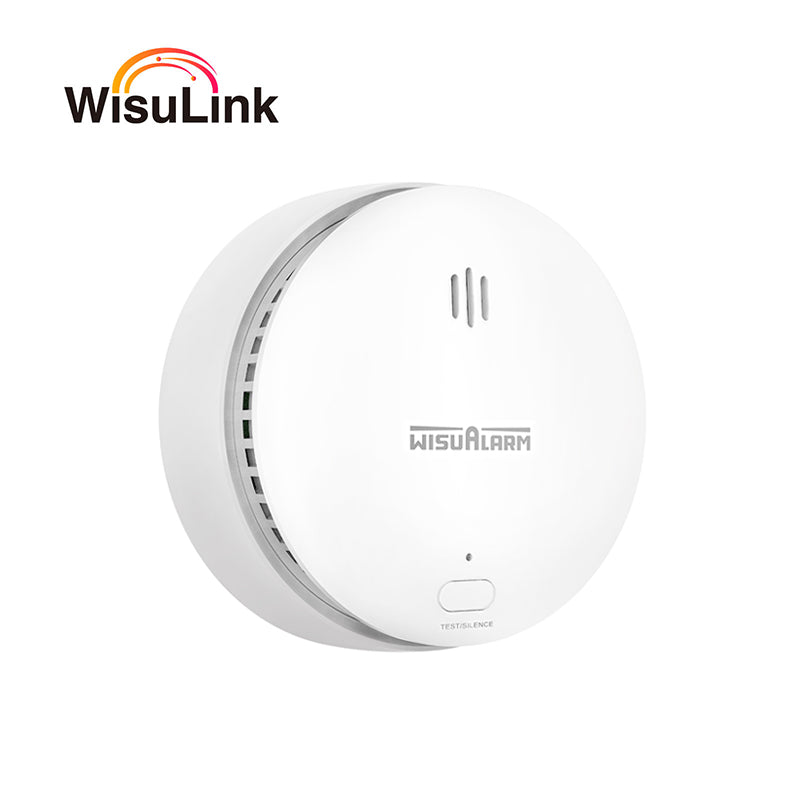
Wisualarm CO alarms can also be used as part of a connected home-safety setup, with compatible devices and a gateway providing additional monitoring beyond the individual detector.
The point is simple:
Don't wait until you need the heating to find out whether your heating system — or your CO protection — is ready.
FAQ
Do I need a CO alarm before turning my heating back on?
Requirements vary by country and heating system. Even where a CO alarm isn't legally required, it can provide an additional warning layer in homes using combustion appliances.
Does a boiler service mean I don't need a CO alarm?
No. They serve different purposes. Maintenance checks the heating system, while a CO alarm is designed to warn when carbon monoxide is detected.
Should I replace an old CO alarm before winter?
Check its stated service life, test function and any battery or fault warnings. If it is expired or its age is unknown, replacement may be appropriate.
Are CO alarms mandatory in France in 2026?
Not nationwide. France currently requires smoke alarms in homes, while CO alarm requirements have been the subject of recent policy discussion.
Is a CO alarm a replacement for heating maintenance?
No. A CO alarm is an additional safety measure and does not replace proper installation, inspection or maintenance of combustion appliances.