
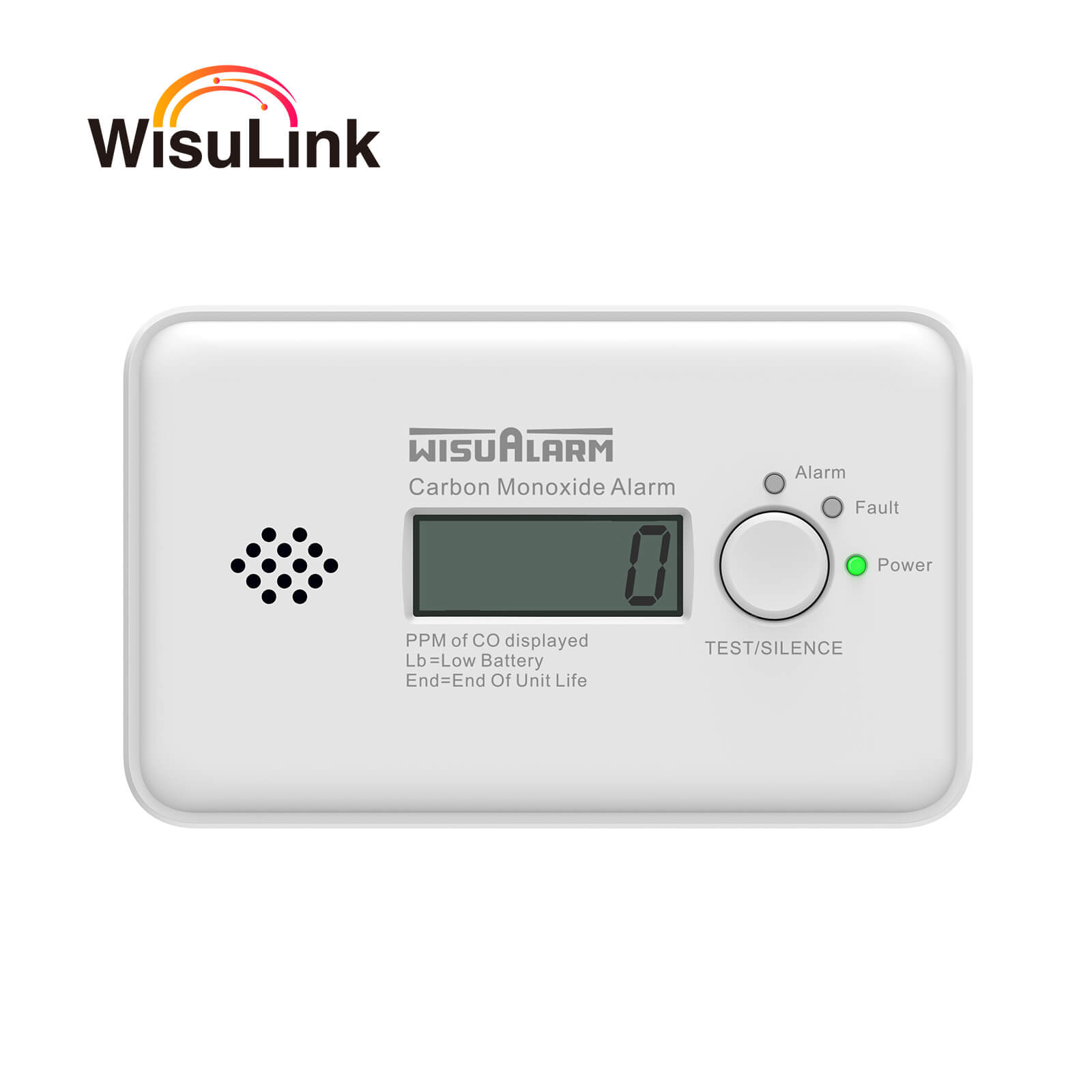
As the bitter cold of a German winter settles in, from the snowy peaks of the Alps to the windswept plains of the North, our homes become our sanctuaries. We retreat indoors, sealing windows against the frost and cranking up the heating to stay warm. Whether it is the comforting crackle of a wood-burning stove (Kaminofen), the reliable hum of a gas boiler (Gastherme), or the traditional warmth of a coal heater, these fuel-burning appliances are the heart of the home during the "Heizperiode." However, this seasonal shift brings with it a hidden, deadly risk that every resident in Germany needs to take seriously: Carbon Monoxide (CO) poisoning. The Winter Threat: Why CO Risks Rise When Temperatures Drop Carbon Monoxide...
Smoke Alarms for Apartments: What You Need to Know for High-Rise Safety
Living in an apartment offers convenience and community, but it also presents unique fire safety challenges. Unlike a standalone house, an apartment is part of a larger structure where the actions of your neighbors can directly impact your safety. This makes choosing and maintaining the right Rauchmelder für Wohnungen (smoke alarms for apartments) a critical responsibility for every resident. The Unique Characteristics of Apartment Fire Safety Apartments differ from traditional homes in several key ways that affect how fire spreads and how residents should respond: Vertical Evacuation: High-rise living means evacuation takes longer. You cannot simply walk out of a front door to a yard; you must navigate hallways and stairwells. Shared Walls and Ventilation: Fire and smoke can travel...
Why January is the Most Dangerous Month for Carbon Monoxide Incidents
As temperatures drop to their lowest in January, we all retreat into the warmth and comfort of our homes. But while we shield ourselves from the frost, an invisible danger often lurks: Carbon Monoxide (CO). In January, emergency services across Europe see a statistically significant spike in call-outs due to CO poisoning. But why is the risk so high right now, and why does this danger so often go unnoticed? The Invisible Danger: "The Silent Killer" Carbon Monoxide is colourless and odourless. You cannot see it, smell it, or taste it. It is produced by the incomplete combustion of carbon-based fuels such as gas, oil, wood, or coal. In modern homes—where "energy saving" and "air-tight insulation" are high priorities—specific risks...
Secure Your Home with Intelligence: The Rise of Interconnected Fire Safety in European
In Europe, and particularly in Germany, the home is more than just a place of residence—it is a sanctuary built on the foundations of safety and quality (Sicherheit und Qualität). For decades, the standard battery-operated smoke detector has been a silent guardian on our ceilings. However, as our homes become more complex and our lives more mobile, the limitations of standalone "dumb" alarms are becoming dangerously clear. If an alarm sounds in the basement while you are sleeping on the third floor, or if a fire starts in the kitchen while you are at work in the city, can you react in time? The answer lies in Interconnected Smart Detection Systems. By bridging the gap between traditional life-safety hardware and...