
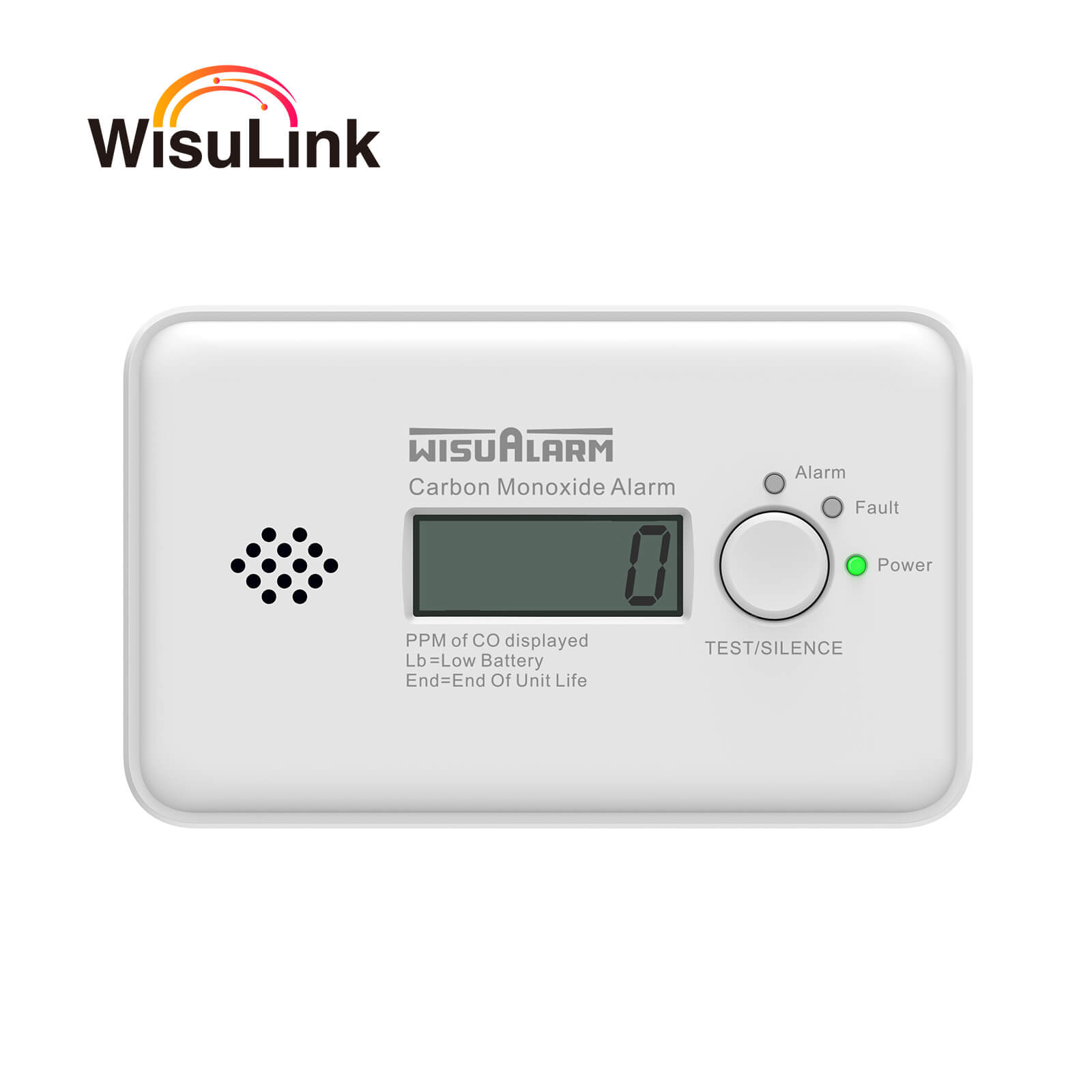
The dream of "Van Life" has swept across Europe. From the rugged coastlines of Brittany to the snow-capped peaks of the Dolomites, more travelers than ever are trading hotel rooms for the freedom of a motorhome. But as we pack our gear and plan our routes, one invisible passenger often goes unnoticed: Carbon Monoxide (CO). In the world of caravan safety, the term "3-in-1 gas detector" or "Gasmelder" is frequently thrown around. However, savvy European campers are shifting their focus. While propane leaks are loud and smelly, Carbon Monoxide is a ghost. It is the "Silent Killer" that claims lives every year in the camping community. This comprehensive guide explores why a dedicated, high-quality Carbon Monoxide detector is the single most...
Where to Position Carbon Monoxide Detectors for Maximum Safety in Germany
When the cold German winter sets in, we retreat to the warmth of our homes, relying on gas boilers (Gasthermen), wood-burning stoves (Kamine), or oil heating systems to keep the chill at bay. But with these comforts comes a silent, invisible, and odorless threat: Carbon Monoxide (CO). Known as the "Silent Killer," carbon monoxide is a byproduct of incomplete combustion. Because it is impossible for human senses to detect, the placement of a CO detector is not just a home improvement task—it is a life-saving strategy. In Germany, safety is governed by strict standards, particularly DIN EN 50291. In this comprehensive guide, we will explore the science of CO behavior and the precise locations where you must install detectors to...
Why TÜV-Certified Carbon Monoxide Detectors are Non-Negotiable for Home Safety
When it comes to home safety, we often focus on what we can see: flickering flames, rising smoke, or a broken window. However, one of the most lethal threats in a domestic environment is completely invisible, tasteless, and odorless. This is Carbon Monoxide (CO). Often referred to as the "Silent Killer," CO claims thousands of lives globally every year. To combat this threat, technology has provided us with the CO alarm. But not all alarms are created equal. In the European market, and specifically in Germany, the gold standard for reliability is often represented by one phrase: TÜV geprüft (TÜV-Certified). In this comprehensive guide, we will explore the science of Carbon Monoxide, the rigorous standards behind TÜV certification, and why...
Stay Safe This Winter: EN-Certified CO Protection for Your Home
As the bitter cold of a German winter settles in, from the snowy peaks of the Alps to the windswept plains of the North, our homes become our sanctuaries. We retreat indoors, sealing windows against the frost and cranking up the heating to stay warm. Whether it is the comforting crackle of a wood-burning stove (Kaminofen), the reliable hum of a gas boiler (Gastherme), or the traditional warmth of a coal heater, these fuel-burning appliances are the heart of the home during the "Heizperiode." However, this seasonal shift brings with it a hidden, deadly risk that every resident in Germany needs to take seriously: Carbon Monoxide (CO) poisoning. The Winter Threat: Why CO Risks Rise When Temperatures Drop Carbon Monoxide...