
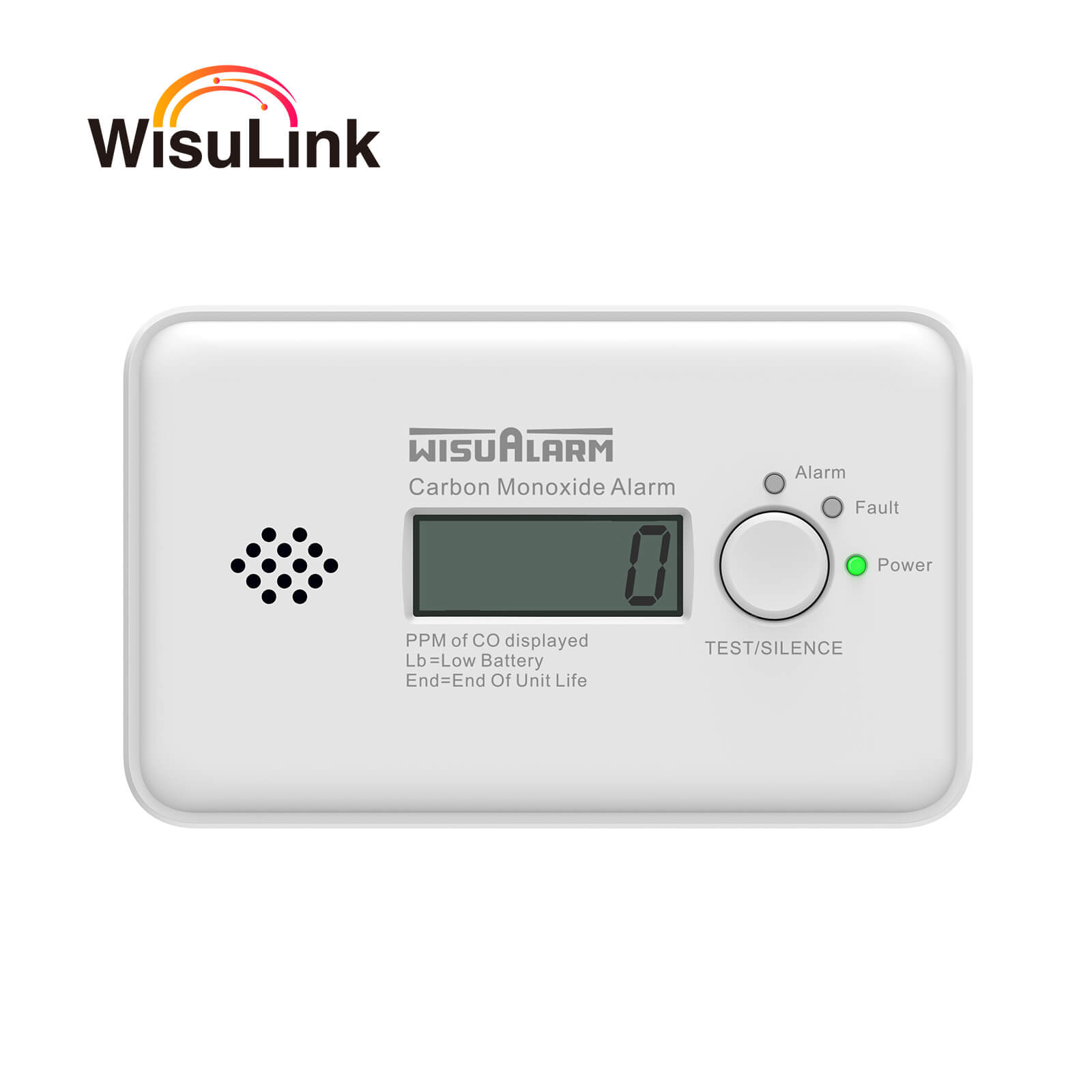
When designing safety frameworks for mobile living spaces, overlanding rigs, or remote off-grid campsites across Europe, traditional smart security architecture hits a major bottleneck: energy and connectivity dependencies. Standard Wi-Fi-based safety sensors demand a constant, high-draw power supply and a continuous internet connection to send critical alerts. For a campervan or caravan running autonomously on a localized solar array or leisure battery storage, leaving a power-hungry router active 24/7 is structurally inefficient. If you venture deep into rural areas where cellular or satellite broadband fluctuates, your entire smart safety network goes dark. The solution lies in a structural shift toward local, decentralized communication. By leveraging modern ultra-low-power wireless mesh protocols, travelers can deploy a fully autonomous, interlinked sensor network that...
Understanding EN 14604 Smoke Alarms for European Households
When it comes to protecting your home and family, there is no room for compromise. In Europe, fire safety is governed by rigorous standards designed to ensure that every household has a fighting chance against the silent threat of smoke and flames. If you have been shopping for safety devices, you have likely encountered the term DIN EN 14604. But what does it actually mean for your daily safety, and why is it the non-negotiable benchmark for any smoke detector in the European market? 1. Decoding the EN 14604 Standard The EN 14604 standard is a European directive that specifies the requirements, test methods, performance criteria, and manufacturer’s instructions for smoke alarms. Whether you are in Germany, France, or the...
Why a Gateway-Based Fire Protection System is the Future of Living
Fire protection has changed drastically in recent years. What began as a simple, loud beeper on the ceiling has evolved into a highly complex, life-saving network. While smoke alarm requirements are now firmly anchored in legislation across Europe, safety-conscious homeowners and landlords are asking a new question: In the age of the Smart Home, is a basic stand-alone alarm still enough? In this comprehensive guide, we explore the technological evolution from simple wireless interconnection to app-supported gateway systems, and why this investment can make the ultimate difference between minor property damage and saving a life. 1. The Limitations of Conventional Smoke Alarms A standard smoke alarm has a single task: to sound an alarm on-site when smoke particles disrupt the...
Why Every German Home Needs a Fire Blanket
In Germany, the concept of Brandschutz (fire protection) is deeply ingrained in both public consciousness and strict building regulations. Whether you live in a modern Neubau apartment in Berlin or a traditional timber-framed house in Bavaria, fire safety is a non-negotiable priority. While the smoke detector (Rauchwarnmelder) has been mandatory across all German federal states for years, a silent but equally vital hero is often missing from the kitchen: The Fire Blanket (Löschdecke). In this guide, we will analyze why the fire blanket is an essential tool specifically for the German market, how it integrates with local safety standards like DIN EN 1869, and why it is the most efficient solution for the most common household fires. The Anatomy of...