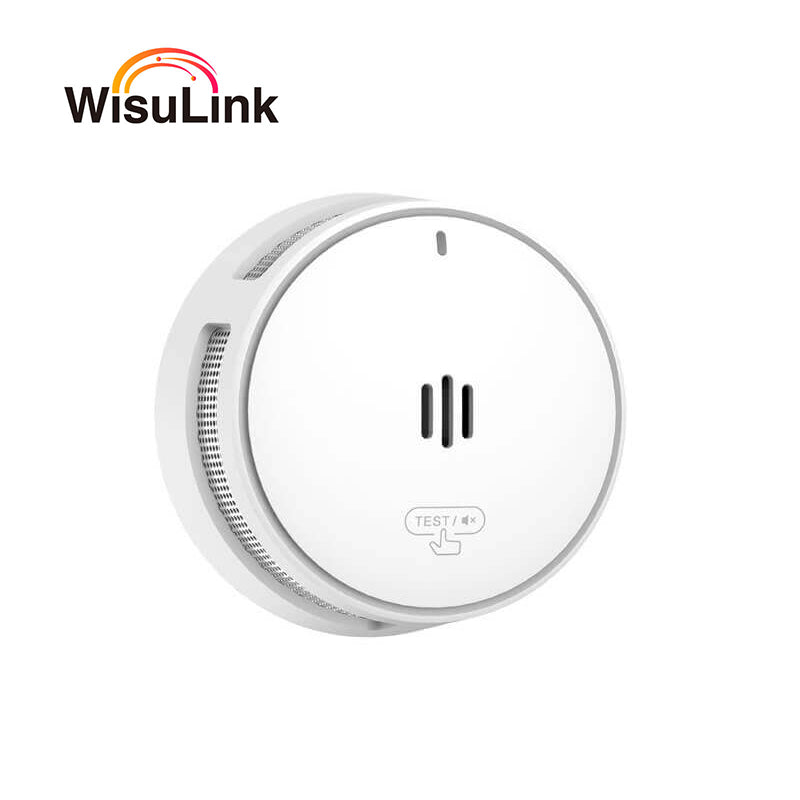
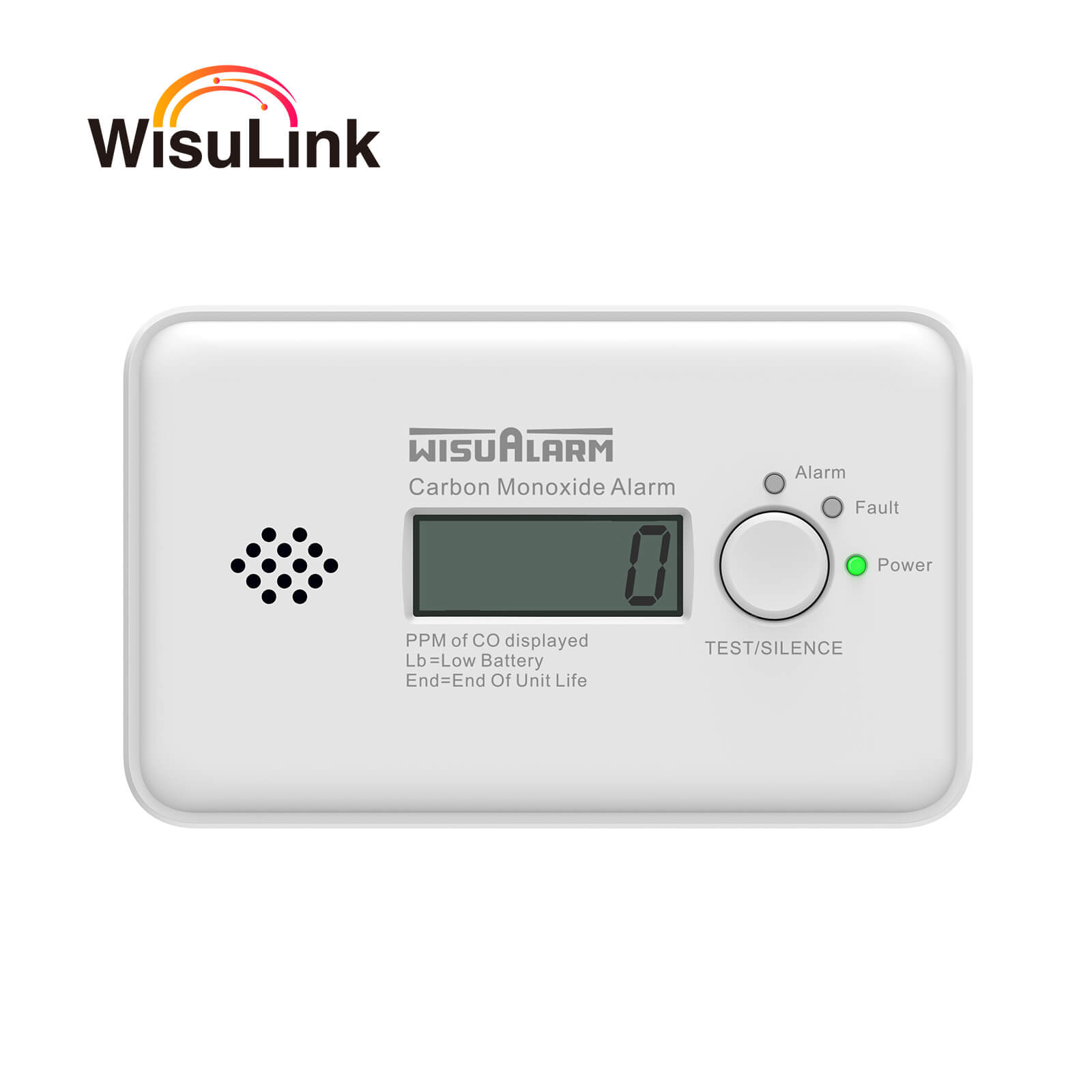
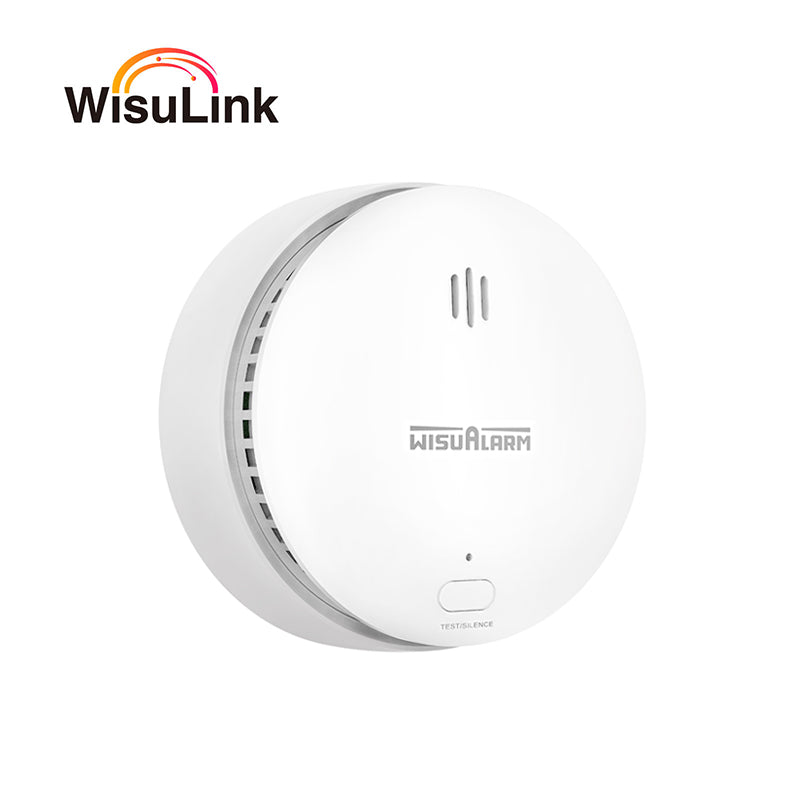

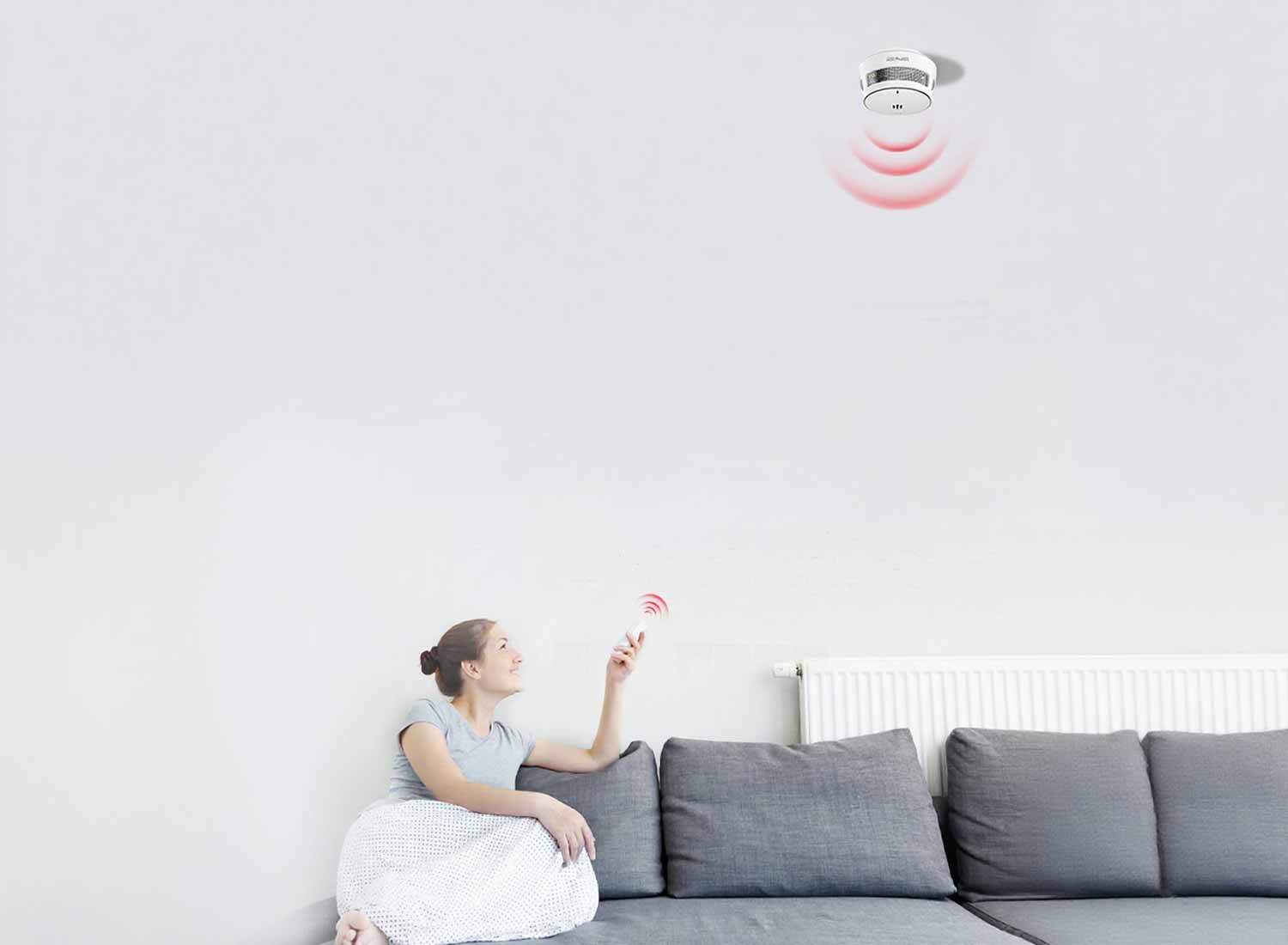
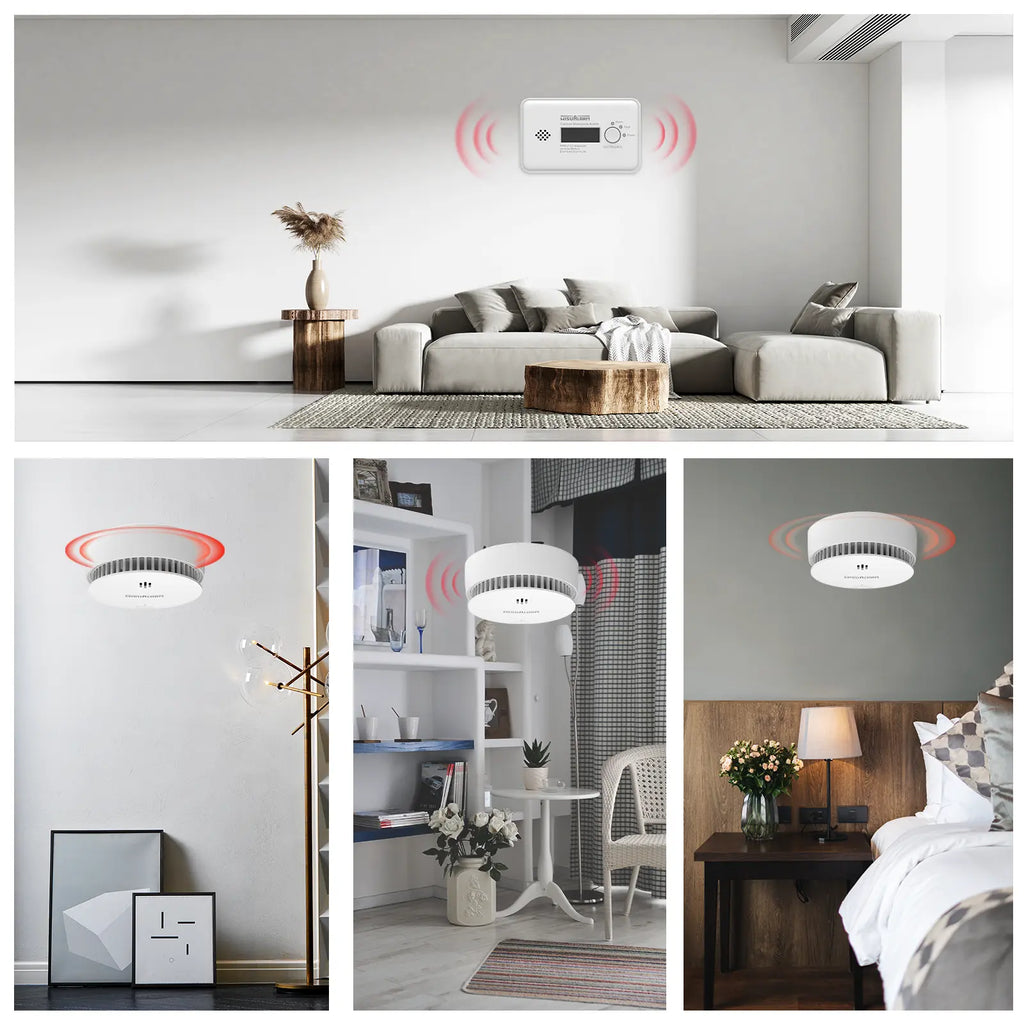
Discover our wide selection of smoke and heat alarms tailored to meet your home safety requirements. Whether you prefer battery-operated smoke alarms for quick installation or interconnected alarms for improved safety, we have the right solution for you.
Need a Shopping Assistant?
Simplify your shopping experience with our expert Buying Guide!
What features should I look for in a smoke detector?
When choosing a smoke detector, consider the following features:
Sensor Type: Look for photoelectric sensors, which are better at detecting smoldering fires, or ionization sensors, which are more responsive to flaming fires. Some detectors combine both types for comprehensive protection.
Smart Technology: Consider detectors that offer smart features like mobile alerts, voice notifications, and integration with home security systems.
Battery Life: Choose between units with replaceable batteries or sealed lithium batteries that last up to 10 years.
Silencing Features: Look for smoke detectors with hush buttons and app integrations that help minimize false alarms while maintaining safety.
What are the differences between Photoelectric sensors and Ionization sensors in smoke alarms?
Photoelectric sensors in smoke detectors use light to detect smoke particles, while ionization sensors use an electrical current. Photoelectric sensors are better for detecting smoldering fires, while ionization sensors are better for detecting fast-burning fires.
How often should I replace my smoke detector?
Smoke detectors generally have a lifespan of about 10 years. It's crucial to track the age of your units and replace them once they reach this age to ensure maximum efficacy. Additionally, replace the smoke detector sooner if you experience frequent false alarms, if the unit fails to respond during testing, or if it shows damage. To help remember, consider marking the replacement date on your calendar or setting a reminder.
Can I use a smoke detector in my kitchen?
While it's essential to have smoke detectors in your home, it's not recommended to install standard smoke detectors directly in your kitchen due to the risk of false alarms from cooking fumes or steam. Instead, consider the following:
Photoelectric Detectors: If you want a smoke detector close to the kitchen, opt for a photoelectric model, which is less likely to be triggered by cooking-related fumes.
Placement: Install the smoke detector at least 10 feet away from cooking appliances to minimize nuisance alarms. Consider using a heat detector in areas where smoke detectors might face issues due to cooking.
In Europe, carbon monoxide (CO) poisoning remains a silent threat to households—especially those relying on gas, oil, or solid fuel for heating and cooking. The European Commission reports that over...
If you’re googling “rauchmelder piept was tun” (smoke alarm beeping, what to do), you’re likely dealing with an annoying, persistent sound that’s hard to ignore—and for good reason. Smoke alarms...
Understanding the Basics of Smoke Detectors Smoke detectors are an essential part of safety systems in both homes and public places. They play a crucial role in safeguarding lives and...
A single smoke alarm mounted on the living room ceiling was once the standard for home fire safety in Germany. But anyone who has ever lived in a multi-storey house...
Imagine this: a middle-of-the-night fire breaks out in your home, but the smoke detector you installed years ago—advertised to last a decade—fails to sound. This terrifying scenario isn’t just hypothetical;...
Walk into any modern building, factory, or even residential community, and you’ll find cameras quietly standing guard. These devices, once solely associated with security surveillance, have evolved far beyond their...
A smoke detector is the first line of defense against one of the most devastating threats to your home and family: fire. According to the National Fire Protection Association (NFPA),...
When it comes to home safety, smoke detectors are non-negotiable. These life-saving devices stand guard 24/7, alerting us to potential fire hazards before they escalate. But here’s a common frustration...
Fires spread in seconds—often faster than traditional smoke alarms can alert occupants, especially in large spaces, remote areas, or unoccupied buildings. This is where flame detection network cameras step in:...