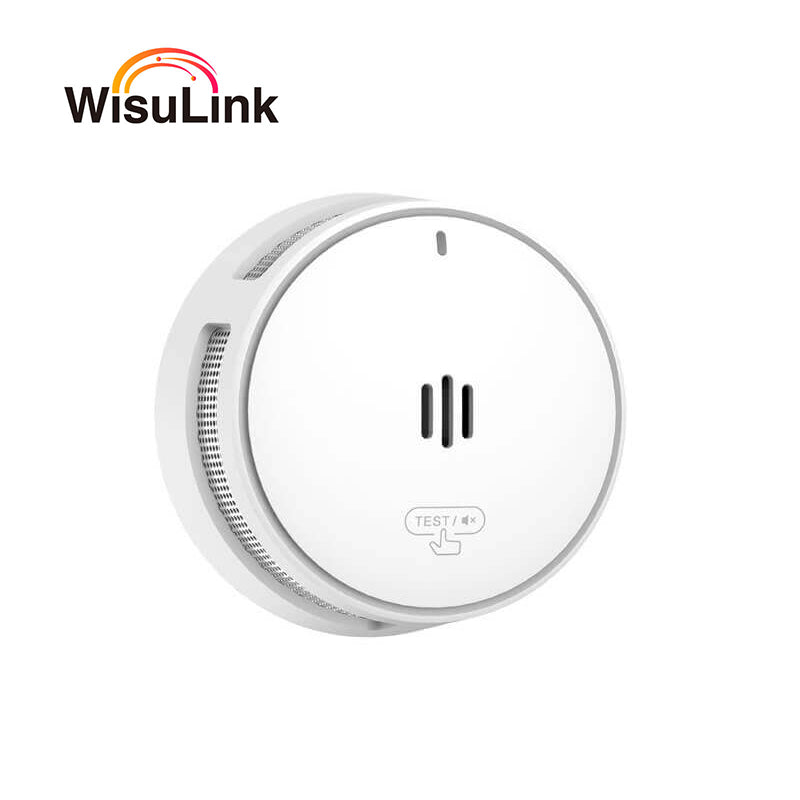
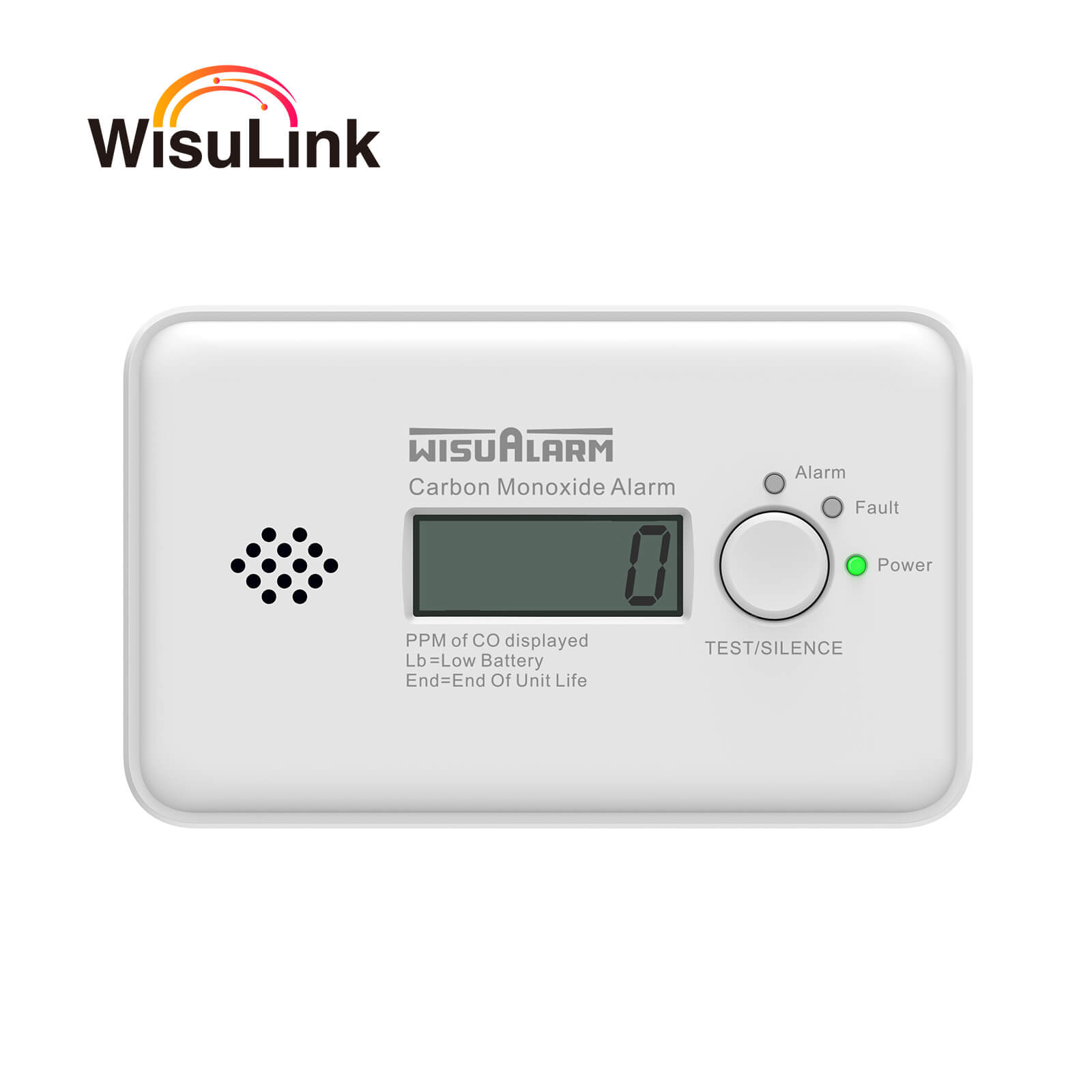
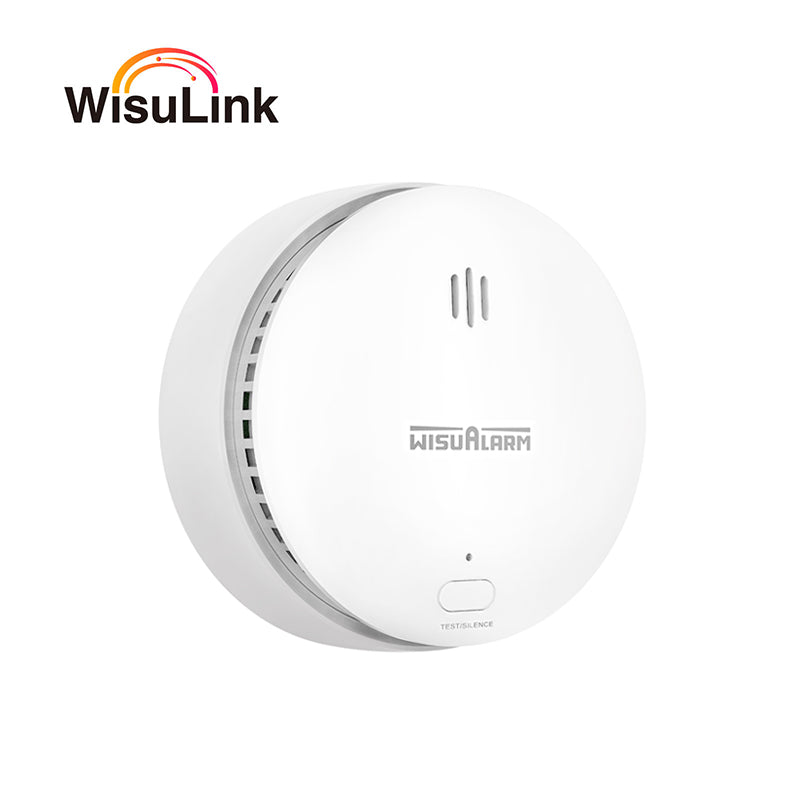

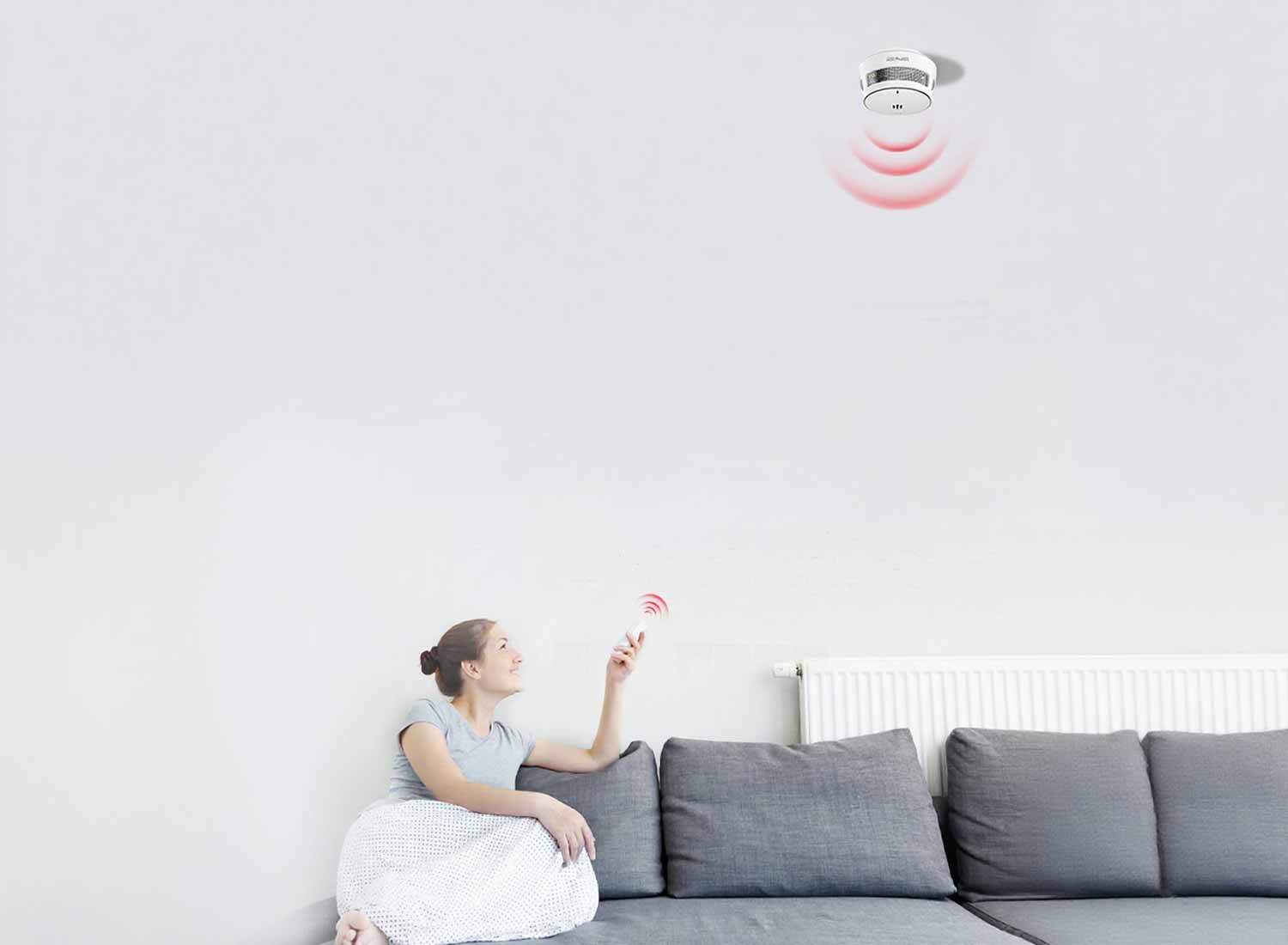
Discover our wide selection of smoke and heat alarms tailored to meet your home safety requirements. Whether you prefer battery-operated smoke alarms for quick installation or interconnected alarms for improved safety, we have the right solution for you.
Need a Shopping Assistant?
Simplify your shopping experience with our expert Buying Guide!
What features should I look for in a smoke detector?
When choosing a smoke detector, consider the following features:
Sensor Type: Look for photoelectric sensors, which are better at detecting smoldering fires, or ionization sensors, which are more responsive to flaming fires. Some detectors combine both types for comprehensive protection.
Smart Technology: Consider detectors that offer smart features like mobile alerts, voice notifications, and integration with home security systems.
Battery Life: Choose between units with replaceable batteries or sealed lithium batteries that last up to 10 years.
Silencing Features: Look for smoke detectors with hush buttons and app integrations that help minimize false alarms while maintaining safety.
What are the differences between Photoelectric sensors and Ionization sensors in smoke alarms?
Photoelectric sensors in smoke detectors use light to detect smoke particles, while ionization sensors use an electrical current. Photoelectric sensors are better for detecting smoldering fires, while ionization sensors are better for detecting fast-burning fires.
How often should I replace my smoke detector?
Smoke detectors generally have a lifespan of about 10 years. It's crucial to track the age of your units and replace them once they reach this age to ensure maximum efficacy. Additionally, replace the smoke detector sooner if you experience frequent false alarms, if the unit fails to respond during testing, or if it shows damage. To help remember, consider marking the replacement date on your calendar or setting a reminder.
Can I use a smoke detector in my kitchen?
While it's essential to have smoke detectors in your home, it's not recommended to install standard smoke detectors directly in your kitchen due to the risk of false alarms from cooking fumes or steam. Instead, consider the following:
Photoelectric Detectors: If you want a smoke detector close to the kitchen, opt for a photoelectric model, which is less likely to be triggered by cooking-related fumes.
Placement: Install the smoke detector at least 10 feet away from cooking appliances to minimize nuisance alarms. Consider using a heat detector in areas where smoke detectors might face issues due to cooking.
In the realm of home maintenance, there are tasks we enjoy—like landscaping or interior decorating—and tasks we dread, like the persistent, high-pitched chirp of a smoke detector in the middle...
Introduction: Beyond the Beep – A New Era of Fire Protection For decades, the standard fire safety protocol in European households was simple: install a single, battery-operated smoke detector in...
In the world of fire safety, time is the only currency that truly matters. For decades, traditional smoke and heat detectors have been the gold standard for saving lives. However,...
Le feu est l'un des risques domestiques les plus redoutés en France. Chaque année, on dénombre environ 300 000 départs de feu dans les habitations, soit un incendie toutes les...
Introduction: The Underestimated Danger Within Your Own Four Walls In Germany, most people associate "fire protection" primarily with the visible smoke of a fire. However, the most dangerous threat in...
Germany has long been a global leader in engineering, precision, and safety standards. From the stringent requirements of the TÜV to the high benchmarks set by VdS (Verband der Sachversicherer),...
For decades, the standard smoke alarm has been the frontline defender against fire in our homes and businesses. We all know the high-pitched shriek that sends a jolt through us,...
In the heart of Europe’s industrial powerhouse, German companies are renowned for their uncompromising standards in safety, precision, and efficiency. Whether it is a sprawling logistics hub in Hamburg, an...
When the cold German winter sets in, we retreat to the warmth of our homes, relying on gas boilers (Gasthermen), wood-burning stoves (Kamine), or oil heating systems to keep the...