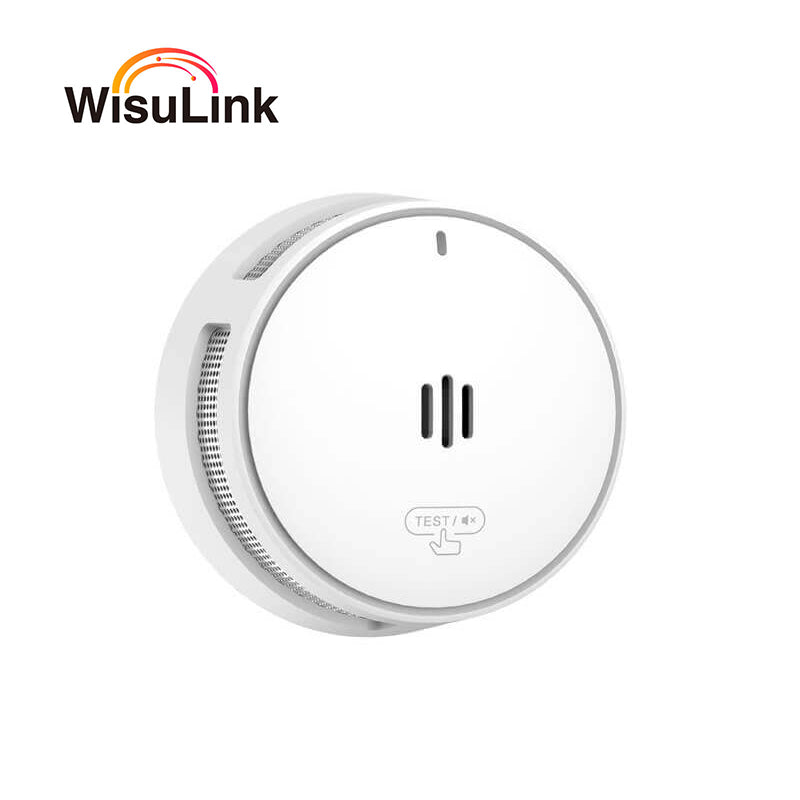
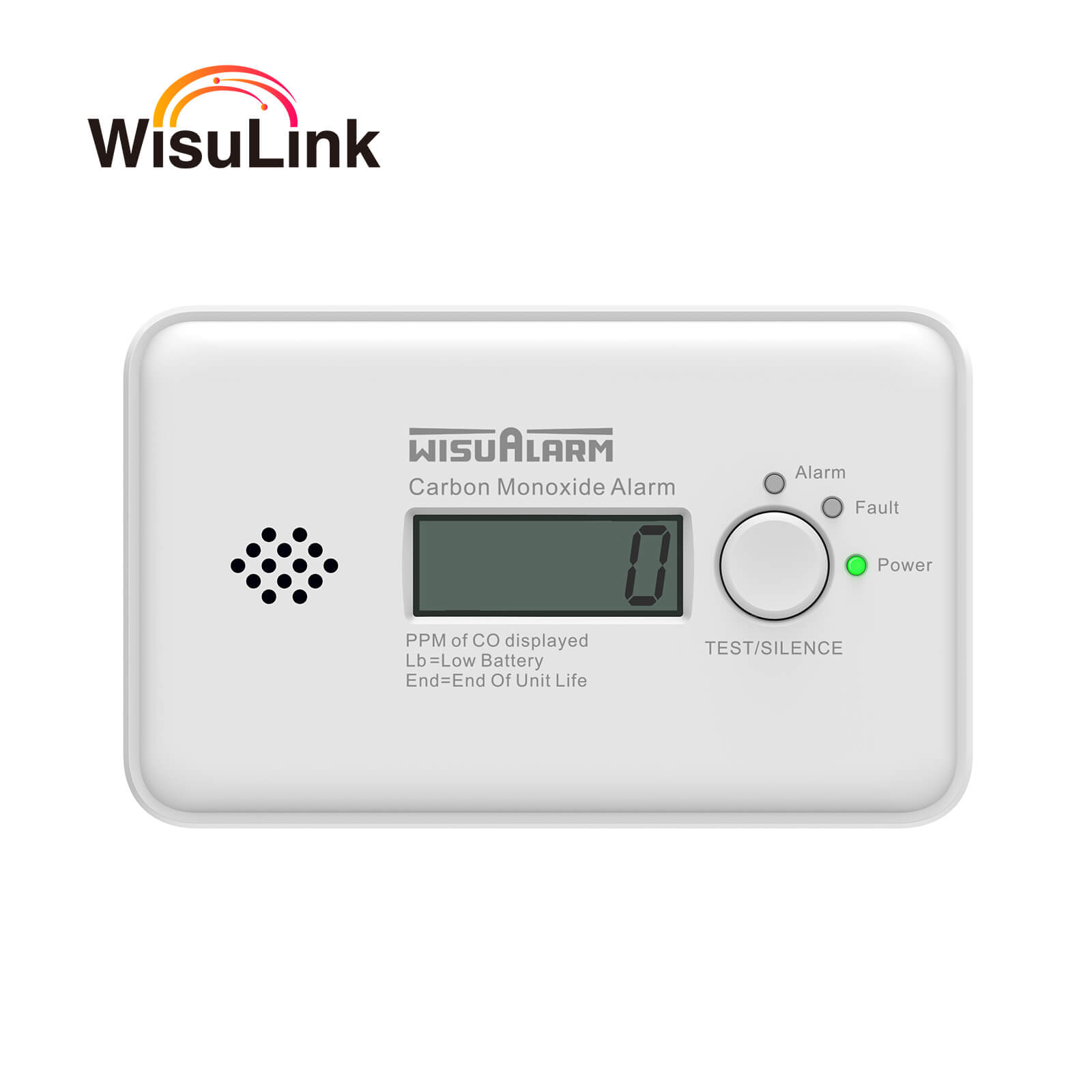
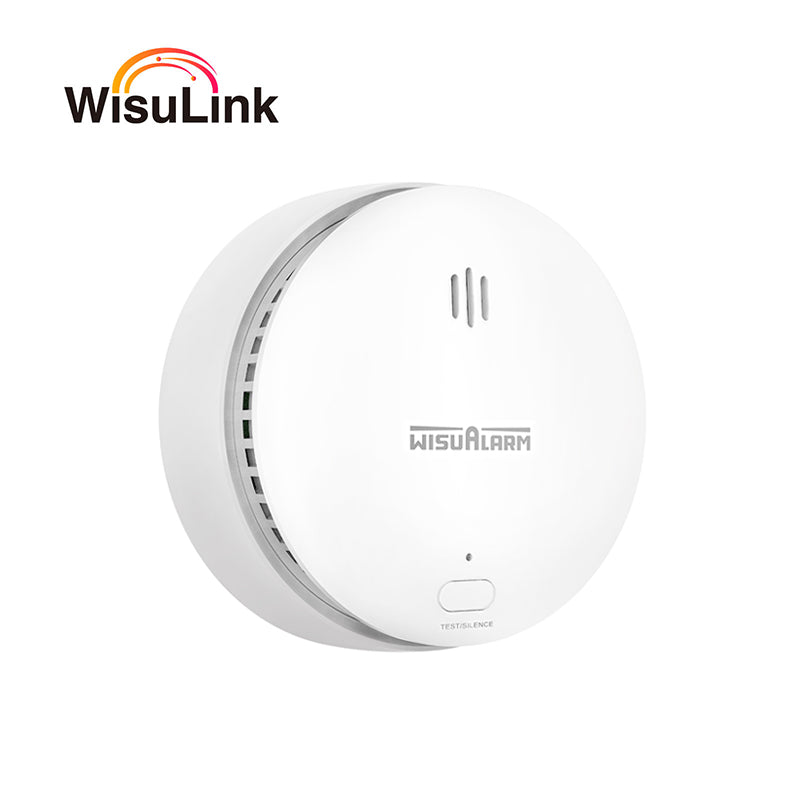
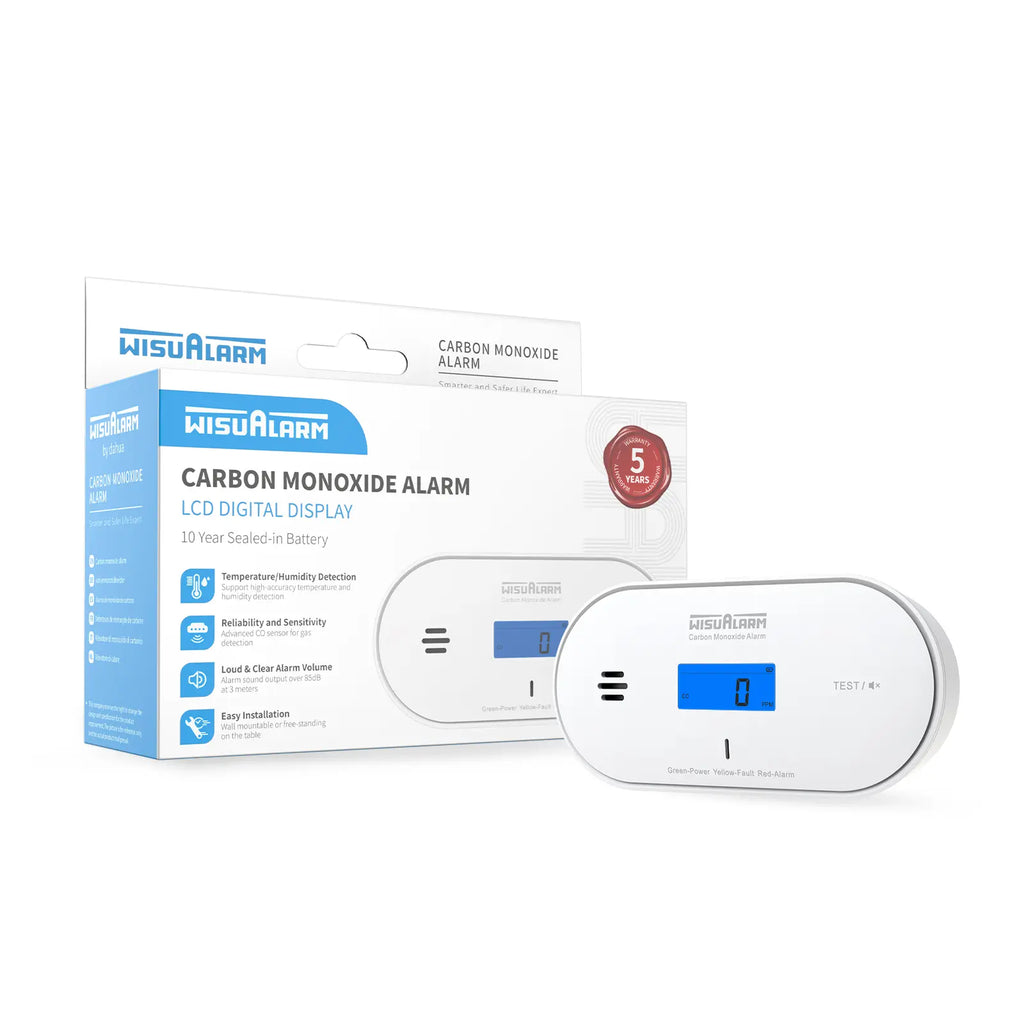
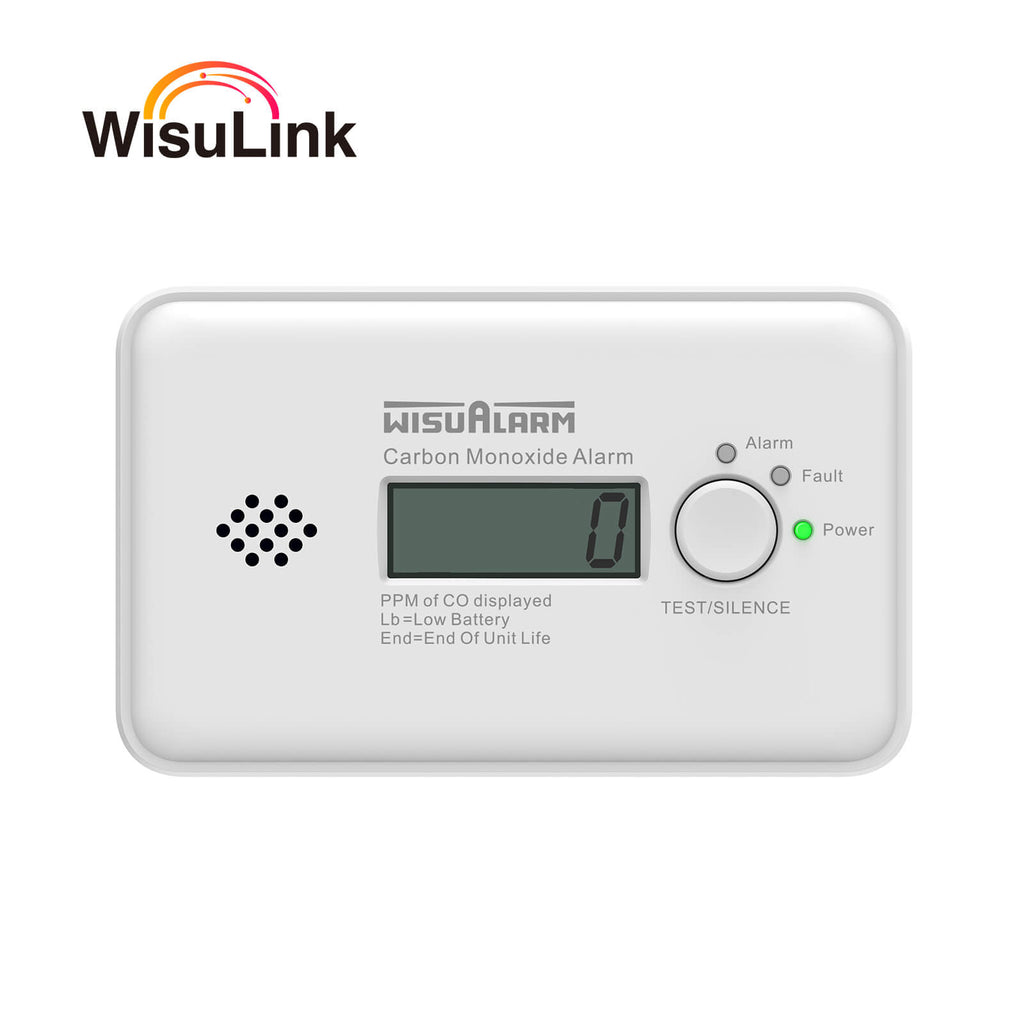
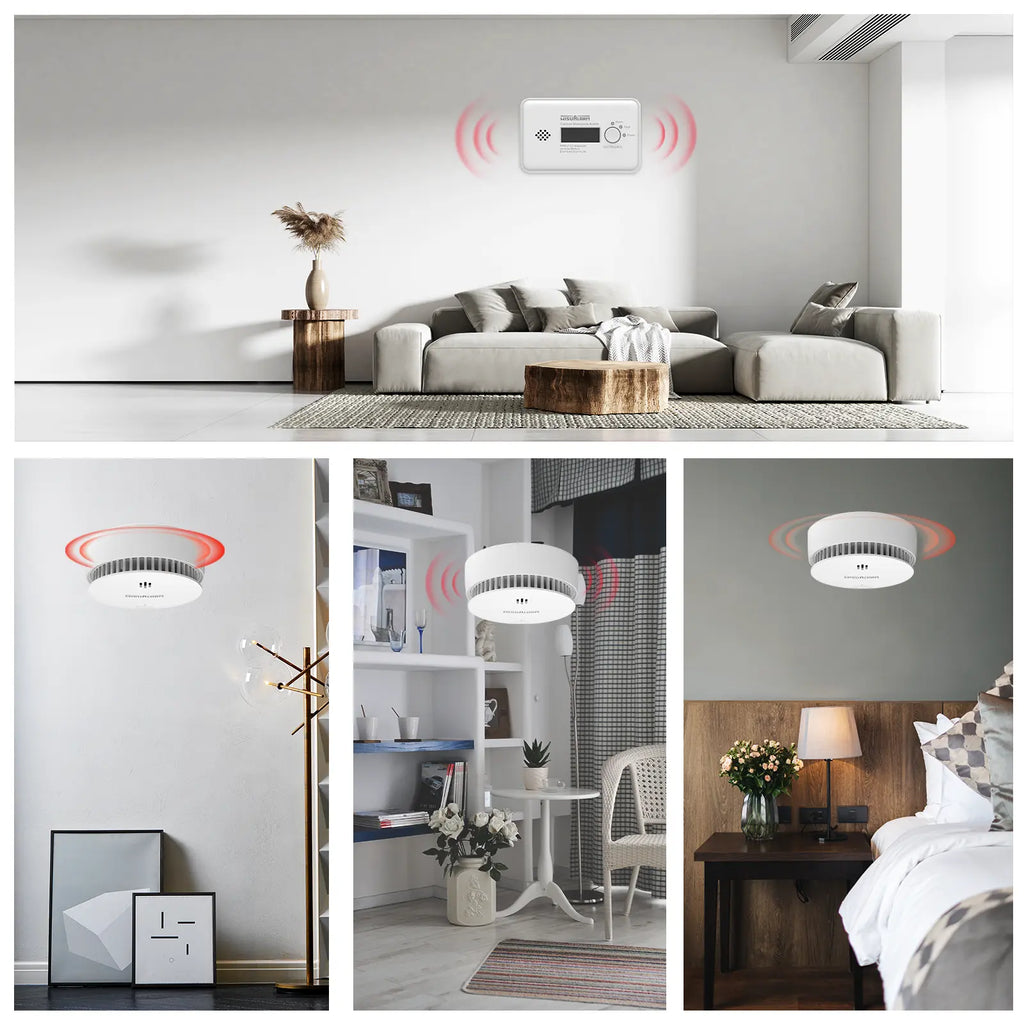
Key features of the WISUALARM carbon monoxide alarm include a clear digital display that shows real-time CO levels, allowing you to monitor your environment easily. The alarm is equipped with a loud alert system to ensure you can hear the warning, even from a distance. With a battery backup, it guarantees continued operation during power outages, making it a reliable choice for home safety.
Need a Shopping Assistant?
Simplify your shopping experience with our expert Buying Guide!
Carbon monoxide is a colorless, odorless gas that is produced by the incomplete combustion of carbon-containing fuels. It is often referred to as the "silent killer" because it is virtually undetectable without the use of specialized equipment.
Sources of carbon monoxide
Common sources of carbon monoxide include vehicles, gas-powered appliances, fireplaces, and generators. When these sources are not properly ventilated or maintained, they can produce dangerous levels of carbon monoxide.
Symptoms of carbon monoxide poisoning
The symptoms of carbon monoxide poisoning can vary depending on the level of exposure. Mild symptoms may include headache, dizziness, and fatigue, while more severe symptoms can include confusion, chest pain, and loss of consciousness. It is important to seek medical attention immediately if carbon monoxide poisoning is suspected.
How do I know if carbon monoxide is present?
Poisoning is measured in a range called parts per million (ppm). This carbon monoxide alarm monitors the level of carbon monoxide (CO) in the air. If the carbon monoxide concentration is too high, the detector sounds a loud alarm. When the alarm sounds, warn all household members, go outside immediately and call 112.
How does a carbon monoxide alarm prevent CO poisoning?
By detecting the presence of carbon monoxide in the air, a carbon monoxide alarm can alert you to a potential danger before you even realize it. CO poisoning can be fatal, as the gas can quickly build up in enclosed spaces and displace oxygen in the bloodstream. Without a carbon monoxide alarm, you may not be aware of the danger until it is too late. With a properly functioning alarm, you can take action to ventilate the area, evacuate the building, and seek medical attention if necessary.
Where should carbon monoxide detectors be installed?
Carbon monoxide detectors should be installed on every level of your home, including basements and near sleeping areas for maximum protection. It's essential to place them in common areas where people spend time, while ensuring they are at least 15 to 20 feet away from fuel-burning appliances to avoid false alarms. Mount detectors 5 to 6 feet above the floor on walls, or at least 12 inches from walls on ceilings. Additionally, avoid locations prone to drafts, such as near doors and windows, to ensure accurate readings and effective monitoring of carbon monoxide levels.
Can Carbon Monoxide Detectors Detect Gas Leaks?
No, carbon monoxide detectors are not designed to detect gas leaks. They are specifically made to detect carbon monoxide (CO), which is a colorless, odorless gas produced by incomplete combustion of fuels.Gas leaks, on the other hand, usually involve natural gas (primarily methane) or propane, which are different types of gases. For detecting gas leaks, you would need a dedicated natural gas or propane gas detector. These devices are designed to sense the presence of flammable gases and alert you to potential leaks.While both types of detectors are important for home safety, it's essential to have the right type of detector for the specific hazard you are monitoring.
How often should carbon monoxide detectors be replaced and tested?
Carbon monoxide detectors should typically be tested once a month to ensure they are functioning properly. Additionally, it is recommended to replace carbon monoxide detectors every 8 to 10 years, depending on the manufacturer's instructions. Regular testing and timely replacement are crucial for maintaining safety and ensuring that the detectors can effectively detect carbon monoxide in your home. Always refer to the user manual for specific guidelines related to your particular model.
Quick Answer Modern homes are becoming more connected, with more electrical devices, smart technology and rechargeable products than ever before. While these innovations improve daily life, they also create new...
Before locking the door and starting your holiday, a few simple checks can help protect your home from fire, water damage and other unexpected risks while you are away. During...
Why Are European Homeowners Rethinking Their Smoke Alarms? Many European homes already have traditional smoke alarms installed. The question for many homeowners is no longer whether they need a smoke...
In recent months, European fire safety discussions have increasingly focused on smarter residential detection systems, driven by updates and guidance trends from organizations such as Euralarm, Kiwa, and publications like...
As modern living spaces across Europe evolve, the standard for residential safety is shifting. Today’s energy-efficient homes, characterized by open-plan layouts, integrated heating systems, and high electrical dependency, present a...
In Europe, smoke alarms are no longer seen as simple standalone devices installed on the ceiling. Homeowners, landlords, and installers are increasingly adopting connected home safety systems, where multiple devices...
When you browse home safety forums like r/homeowners or r/HomeImprovement, you’ll often find users venting about "chirping" detectors or false alarms during dinner prep. For many, a smoke alarm or carbon...
When designing safety frameworks for mobile living spaces, overlanding rigs, or remote off-grid campsites across Europe, traditional smart security architecture hits a major bottleneck: energy and connectivity dependencies. Standard Wi-Fi-based...
When it comes to protecting your home and family, there is no room for compromise. In Europe, fire safety is governed by rigorous standards designed to ensure that every household...