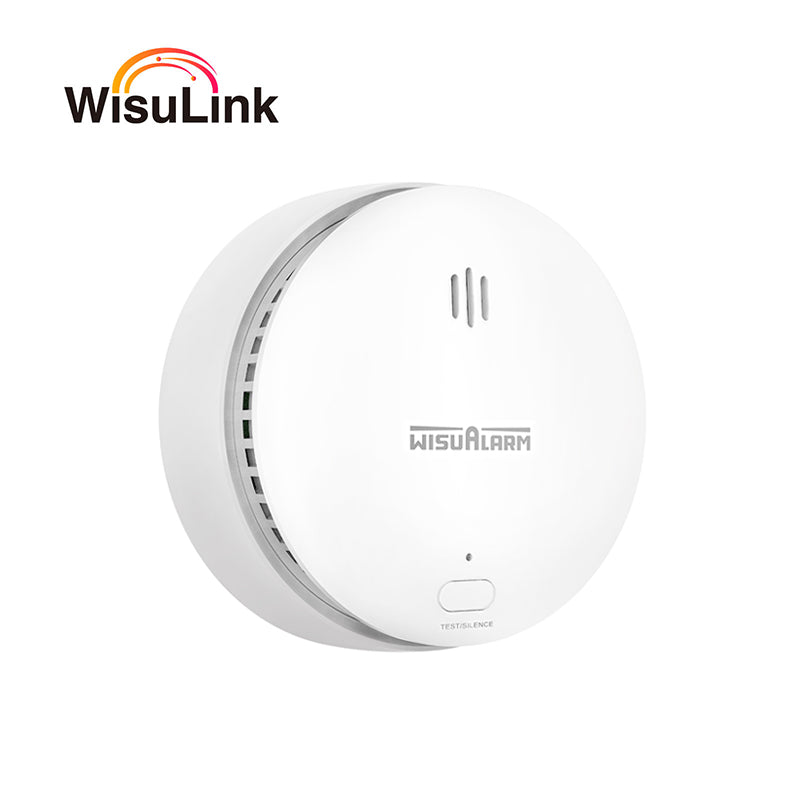
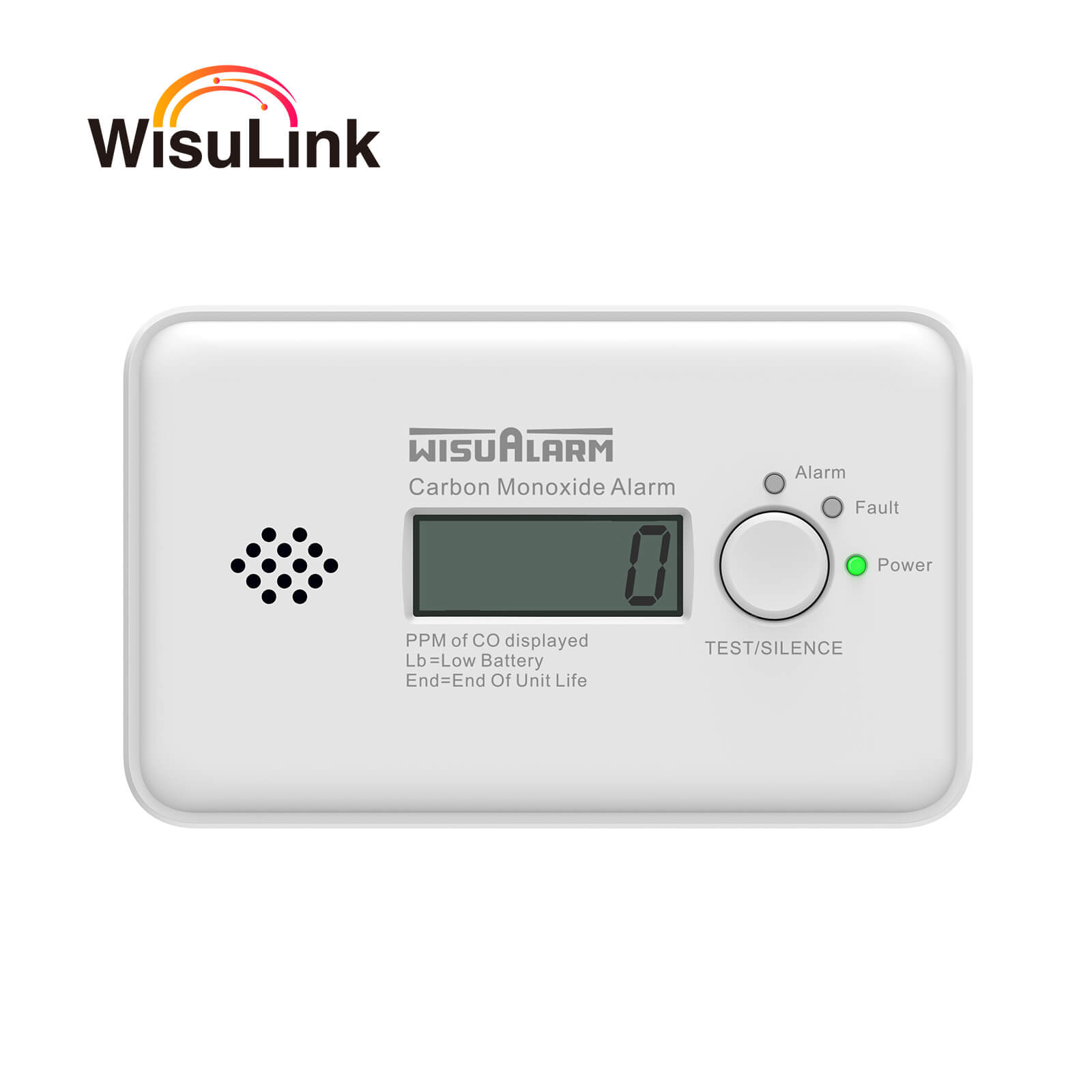
In Germany, fire protection is not a matter of personal preference—it is a legal obligation. The Rauchwarnmelderpflicht (mandatory smoke alarm law) is now firmly established in the building codes of all 16 federal states. However, despite clear legislation, uncertainty often prevails: Which rooms actually require smoke detectors? To secure your home according to the DIN 14676 standard, we must distinguish between the legal minimum requirements and "optimal" protection. This guide will walk you through the necessities for homeowners (Eigentümer), tenants (Mieter), and property managers (Hausverwalter). The Legal Minimum Requirement (The "Must-Haves") According to the legislation in almost all federal states (such as North Rhine-Westphalia, Bavaria, and Berlin), the following rooms must be equipped with smoke detectors by law: 1. Bedrooms...
Smoke Alarms for Apartments: What You Need to Know for High-Rise Safety
Living in an apartment offers convenience and community, but it also presents unique fire safety challenges. Unlike a standalone house, an apartment is part of a larger structure where the actions of your neighbors can directly impact your safety. This makes choosing and maintaining the right Rauchmelder für Wohnungen (smoke alarms for apartments) a critical responsibility for every resident. The Unique Characteristics of Apartment Fire Safety Apartments differ from traditional homes in several key ways that affect how fire spreads and how residents should respond: Vertical Evacuation: High-rise living means evacuation takes longer. You cannot simply walk out of a front door to a yard; you must navigate hallways and stairwells. Shared Walls and Ventilation: Fire and smoke can travel...
Secure Your Home with Intelligence: The Rise of Interconnected Fire Safety in European
In Europe, and particularly in Germany, the home is more than just a place of residence—it is a sanctuary built on the foundations of safety and quality (Sicherheit und Qualität). For decades, the standard battery-operated smoke detector has been a silent guardian on our ceilings. However, as our homes become more complex and our lives more mobile, the limitations of standalone "dumb" alarms are becoming dangerously clear. If an alarm sounds in the basement while you are sleeping on the third floor, or if a fire starts in the kitchen while you are at work in the city, can you react in time? The answer lies in Interconnected Smart Detection Systems. By bridging the gap between traditional life-safety hardware and...
Interconnected Smoke Alarms: The Future of Home Fire Safety
A single smoke alarm mounted on the living room ceiling was once the standard for home fire safety in Germany. But anyone who has ever lived in a multi-storey house knows this: an alarm that only sounds on the ground floor is often insufficient to warn people upstairs in time—especially at night, when sleep impairs awareness. This is where the revolution of interconnected smoke alarms comes in: a system where each device is networked with the others, ensuring comprehensive warning in every room. In this blog, we’ll break down exactly what this technology entails, why it’s more relevant than ever in Germany, and what criteria to consider when choosing a system. Why Interconnected Smoke Alarms Offer More Safety Than Standalone Devices The...