


A heatwave changes how we use our homes.
Fans run for longer, air conditioners work harder, electrical appliances stay switched on for extended periods, and outdoor cooking becomes more common.
That makes hot weather a good time to check your home's fire, heat and carbon monoxide safety.

Can Hot Weather Increase Fire Risks at Home?
The heat itself isn't usually the main problem. The bigger concern is how electrical equipment and appliances are used during prolonged periods of hot weather.
Fans and Air Conditioners
Fans and portable cooling equipment may run for hours at a time during a heatwave.
Check that they are in good condition, keep them away from curtains and other flammable materials, and avoid leaving portable appliances running unattended.
Overloaded Sockets
More cooling equipment can also mean more electrical demand.
Fans, air conditioners, chargers and other appliances may end up sharing sockets or extension leads.
Avoid overloading sockets and don't use damaged cables or plugs.
BBQs and Outdoor Cooking
Hot weather often means more BBQs and outdoor cooking.
Keep BBQs away from buildings, fences and other combustible materials.
And never use a BBQ, charcoal grill or other fuel-burning appliance indoors or in an enclosed space.
What About Carbon Monoxide?
Heatwaves don't produce carbon monoxide by themselves.
The risk comes from fuel-burning appliances and poor ventilation.
Gas boilers, fires, cookers and other combustion appliances can produce carbon monoxide if they aren't working or ventilating properly.
Because CO is colourless and odourless, you can't rely on your senses to detect it.
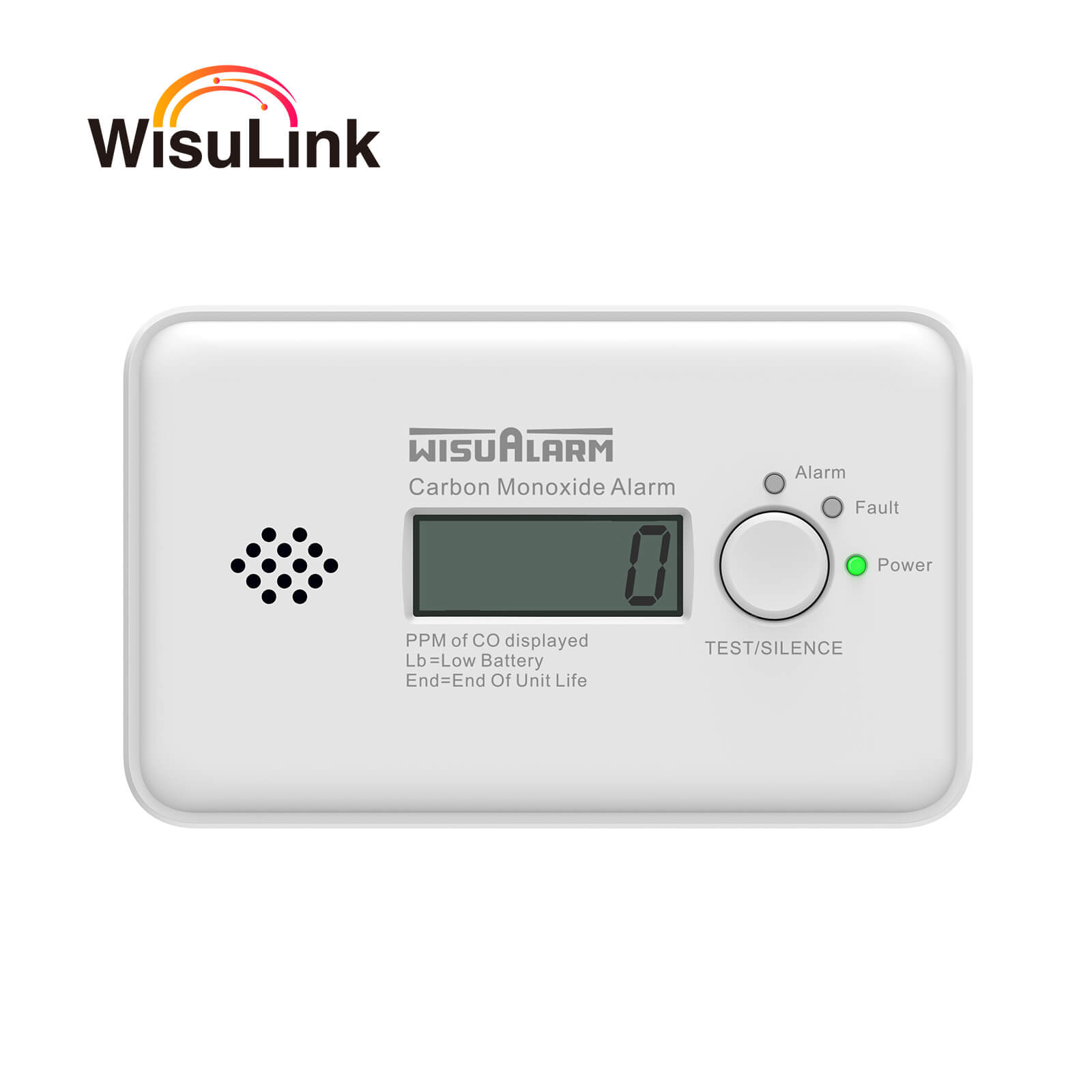
A working CO alarm provides an additional layer of protection, particularly in homes with fuel-burning appliances.
Is Your Home Ready for a Heatwave?
Before the next hot spell, take a few minutes to check:
Electrical Safety
- Check fans and cooling appliances for damage.
- Don't overload sockets or extension leads.
- Don't leave portable appliances running unattended.
- Switch off equipment you aren't using.
Fire Safety
- Test your smoke alarms.
- Check that alarms are correctly positioned.
- Replace alarms that have reached the end of their service life.
- If you have interconnected alarms, make sure the system is working properly.
- Keep a fire blanket easily accessible in the kitchen.
- Make sure everyone in the household knows where it is.
CO Safety
- Test your CO alarm.
- Check its replacement date.
- Keep fuel-burning appliances properly maintained.
- Never use BBQs or fuel-burning appliances indoors.
Smoke, Heat or CO: Do You Need More Than One Alarm?
Different alarms detect different risks.
Smoke alarms detect smoke from a fire.
Heat alarms can be suitable for certain areas where smoke alarms may not be appropriate.
CO alarms detect carbon monoxide from combustion sources.
For a more complete home safety setup, the right combination depends on your home, the rooms you need to protect and the risks you want to cover.
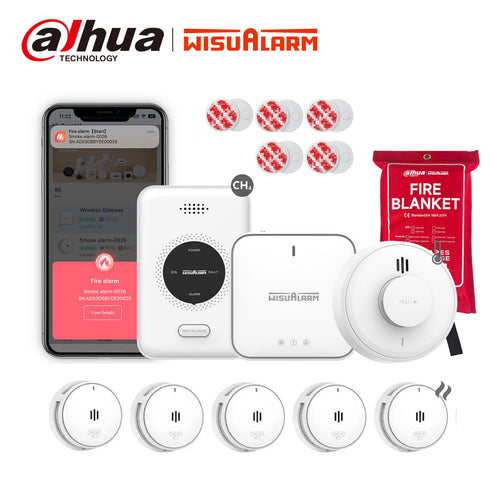
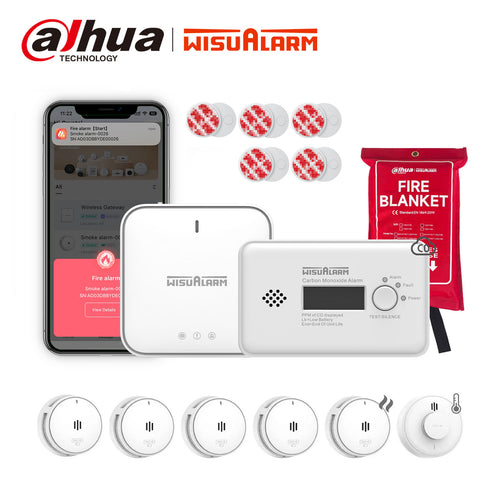
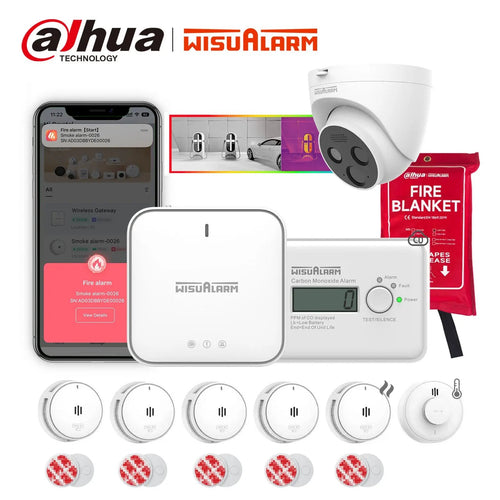
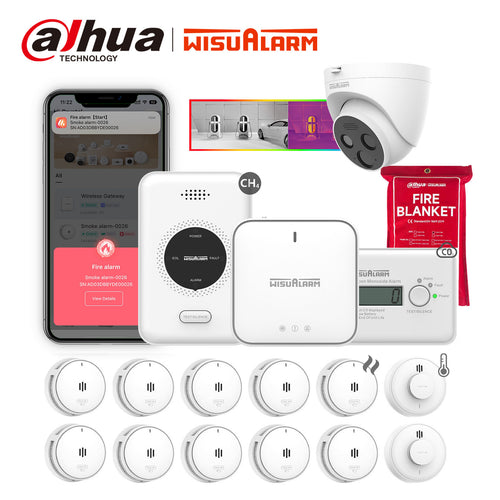
For homeowners looking for a ready-made solution, the Wisualarm Kitchen-First Smart Safety Kit is one option, combining smoke, heat and methane gas detection with a smart gateway and fire blanket.
Explore the Wisualarm Kitchen-First Smart Safety Kit
Your Summer Fire Safety Checklist
Before the next heatwave, make sure you've checked:
• Test your smoke alarms
• Check your heat alarms
• Test your CO alarm
• Check interconnected alarms
• Inspect fans and cooling appliances
• Avoid overloaded sockets and extension leads
• Switch off unused electrical equipment
• Keep BBQs and fuel-burning appliances outdoors
• Keep a fire blanket accessible in the kitchen
☐ Check the condition and replacement dates of your alarms
A few minutes of preparation can help you spot potential problems before they become emergencies.
Stay Cool. Stay Alert. Stay Protected.
Hot weather changes the way we use our homes, but fire safety shouldn't take a summer break.
From electrical equipment and cooking to gas appliances and carbon monoxide, summer can bring different risks into focus.
Smoke, heat, CO detection and a fire blanket each provide a different layer of protection.
Make sure your home has the right combination before the next heatwave.