


Few sounds are as jarring—or confusing—as a fire alarm beeping randomly in the middle of the night, during a quiet evening, or even when there’s no sign of smoke or fire. If you’ve ever found yourself staring at a beeping alarm, wondering “What’s going on?” you’re not alone. Random beeping is one of the most common fire alarm issues, and it’s rarely a sign of an actual emergency—but it is a signal that your device needs attention. Below, we break down the top causes of random fire alarm beeping and provide step-by-step solutions to get your alarm back to working properly.
1. Low or Dying Batteries (The #1 Culprit)
If your fire alarm is battery-powered (or has a backup battery, even if it’s hardwired), low battery life is the single most likely reason for random beeping. Alarms are designed to chirp or beep when batteries drop below a certain voltage—this is a safety feature to remind you to replace them before the battery dies completely (and leaves you unprotected).
How to Fix It:
- Locate the battery compartment: On most standalone alarms, this is on the back or side; for hardwired models, you may need to twist the alarm off its mounting bracket to access the backup battery.
- Replace the battery: Use the exact battery type recommended by the manufacturer (typically AA, AAA, or a 9V battery). Avoid generic or expired batteries—they may not provide reliable power.
- Test the alarm: After replacing the battery, press and hold the “Test” button for 10–15 seconds. The alarm should sound loudly (a steady beep or siren) to confirm it’s working. If the random beeping stops, you’ve solved the problem.
2. Dust, Debris, or Insects Inside the Alarm
Fire alarms use optical sensors (to detect smoke particles) or ionization sensors (to detect fast-burning fires). Over time, dust, pet hair, cobwebs, or even small insects (like spiders) can build up inside the alarm, interfering with the sensor. This disruption often triggers random beeping or false alarms.
How to Fix It:
- Turn off power (for hardwired alarms): If your alarm is connected to your home’s electrical system, switch off the power at the circuit breaker first to avoid shock.
- Remove the alarm: Twist or unclip the alarm from its mounting bracket (check the manual if you’re unsure—models vary).
- Clean the sensor: Use a can of compressed air (held 6–8 inches away) to blow out dust and debris from the vents. For gentle cleaning, wipe the exterior and vents with a dry, soft cloth. Never use water or cleaning products—moisture can damage the sensor.
- Reinstall and test: Put the alarm back in place, restore power (if needed), and press the “Test” button to ensure it’s functioning.
3. Expired Alarm (Yes, Fire Alarms Have a Lifespan!)
Fire alarms don’t last forever—even the highest-quality models have a 10-year maximum lifespan (this is mandated by the National Fire Protection Association, or NFPA). After 10 years, the sensors degrade, the battery contacts corrode, or internal components fail—all of which can cause random beeping, false alarms, or complete failure.
How to Check If Your Alarm Is Expired:
- Look for a manufacture date on the back or bottom of the alarm. It may be printed on a sticker or etched into the plastic.
- If the date is more than 10 years old, the alarm is expired—no amount of battery replacement or cleaning will fix random beeping.
How to Fix It:
- Replace the entire alarm: Dispose of the old alarm (check local guidelines—some areas require recycling for electronic devices) and install a new one that meets current safety standards (look for alarms certified by UL or CSA).
- Register the new alarm: Many manufacturers let you register your new alarm to receive reminders when it’s time to replace it (usually after 10 years).
4. Humidity or Steam (Common in Bathrooms, Kitchens, or Laundries)
Excess moisture in the air—from a hot shower, boiling water on the stove, or a running dryer—can trick fire alarm sensors into thinking there’s smoke. This is especially common if your alarm is installed near bathrooms, kitchens, or laundry rooms (areas with high humidity).
How to Fix It:
- Relocate the alarm (if possible): If the alarm is within 10 feet of a shower, tub, or stove, move it to a drier area. The NFPA recommends keeping alarms at least 3 feet away from sources of moisture or steam.
- Improve ventilation: Run an exhaust fan in the bathroom while showering, or use a range hood over the stove when cooking. This reduces humidity in the air and prevents false beeping.
- Dry the alarm (if wet): If the alarm got splashed or damp, remove it, wipe it with a dry cloth, and let it air out for 24 hours before reinstalling.
5. Hardwired Alarm Issues (Power Interruptions or Faulty Wiring)
If your fire alarm is hardwired to your home’s electrical system (with a backup battery), random beeping could stem from problems with the power supply or wiring:
- Power surges or outages: A brief power flicker or surge can disrupt the alarm’s electrical connection, causing it to beep as it switches to backup battery power.
- Faulty wiring: Loose, damaged, or corroded wires (in the alarm or the wall) can cause intermittent power flow, triggering random beeping.
How to Fix It:
- Reset the alarm: Turn off power at the circuit breaker, wait 30 seconds, then turn it back on. This resets the alarm’s electrical connection.
- Check for loose wires: If you’re comfortable with basic electrical work, remove the alarm and inspect the wiring (ensure power is off first). Tighten any loose connections or replace frayed wires.
- Call an electrician: If the wiring looks damaged or the beeping persists after resetting, hire a licensed electrician to diagnose and fix the issue. Never attempt to repair complex wiring yourself—this is a fire hazard.
6. Interference from Other Devices
In rare cases, random beeping can be caused by radio frequency (RF) interference from nearby electronic devices. This includes:
- Cordless phones (especially 2.4GHz models)
- Wi-Fi routers
- Baby monitors
- Microwaves
How to Fix It:
- Move the device: Try relocating the fire alarm 3–5 feet away from the suspected interference source.
- Test the alarm: After moving it, press the “Test” button to confirm it’s working. If the beeping stops, interference was likely the cause.
When to Worry: Is the Beeping an Emergency?
Random beeping (a short “chirp” every 30–60 seconds) is almost never a sign of a fire. However, you should treat the alarm as an emergency if:
- It emits a loud, steady siren (not a short chirp).
- The siren doesn’t stop when you press the “Test” button.
- You smell smoke, see flames, or notice a burning odor.
In these cases, evacuate your home immediately, call 911, and do not re-enter until authorities give the all-clear.
Final Tips to Keep Your Fire Alarm Working Reliably
To avoid random beeping and ensure your alarm protects you when you need it most:
- Replace batteries every 6 months (set a reminder—e.g., when you change your clocks for daylight saving time).
- Clean alarms with compressed air every 3–6 months to remove dust.
- Replace alarms every 10 years (even if they seem to be working).
- Test alarms monthly by pressing the “Test” button—if the alarm doesn’t sound, replace it immediately.
Random fire alarm beeping is frustrating, but it’s almost always fixable with a little troubleshooting. By addressing the most common causes (low batteries, dust, or expiration), you’ll keep your home safe and eliminate those annoying middle-of-the-night chirps. If you’ve tried all these solutions and the beeping continues, contact the alarm manufacturer’s customer support—they can help diagnose model-specific issues.
Introducing Wisualarm Smoke Detectors: Reliability You Can Trust
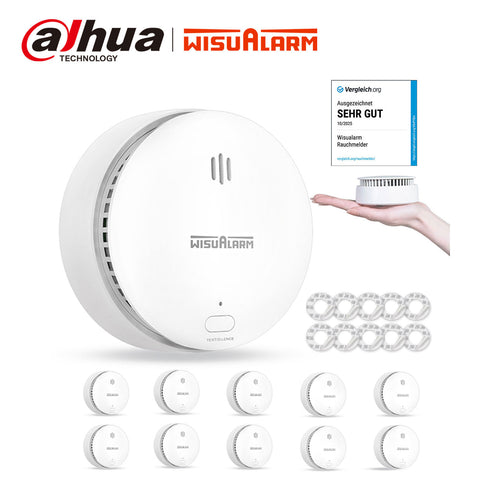
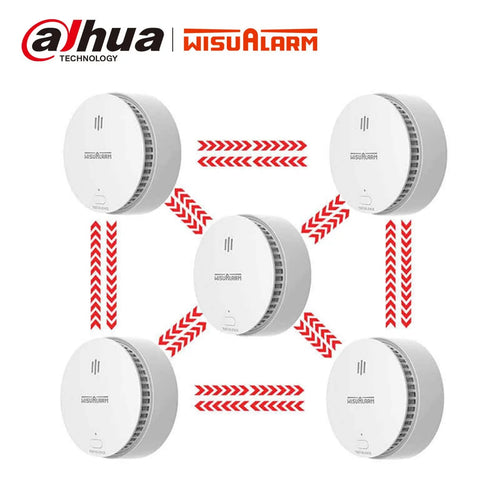
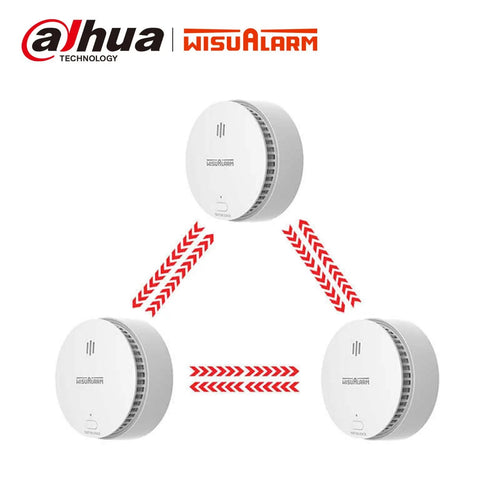
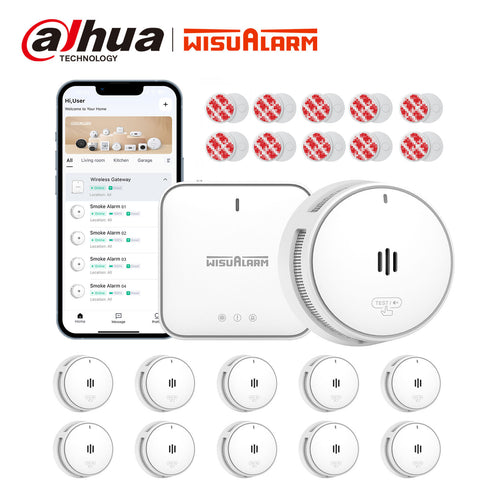
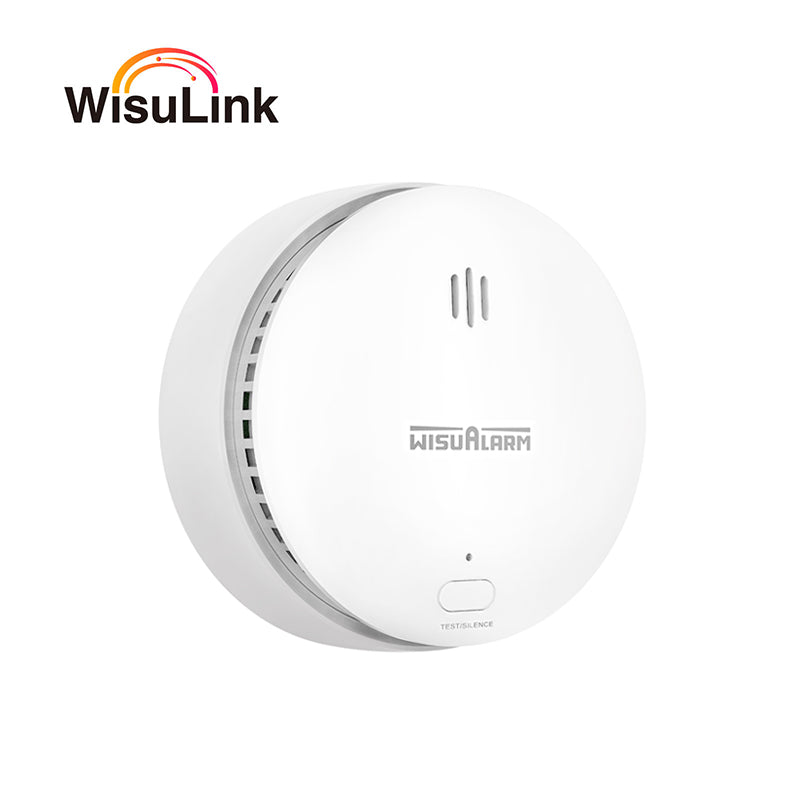
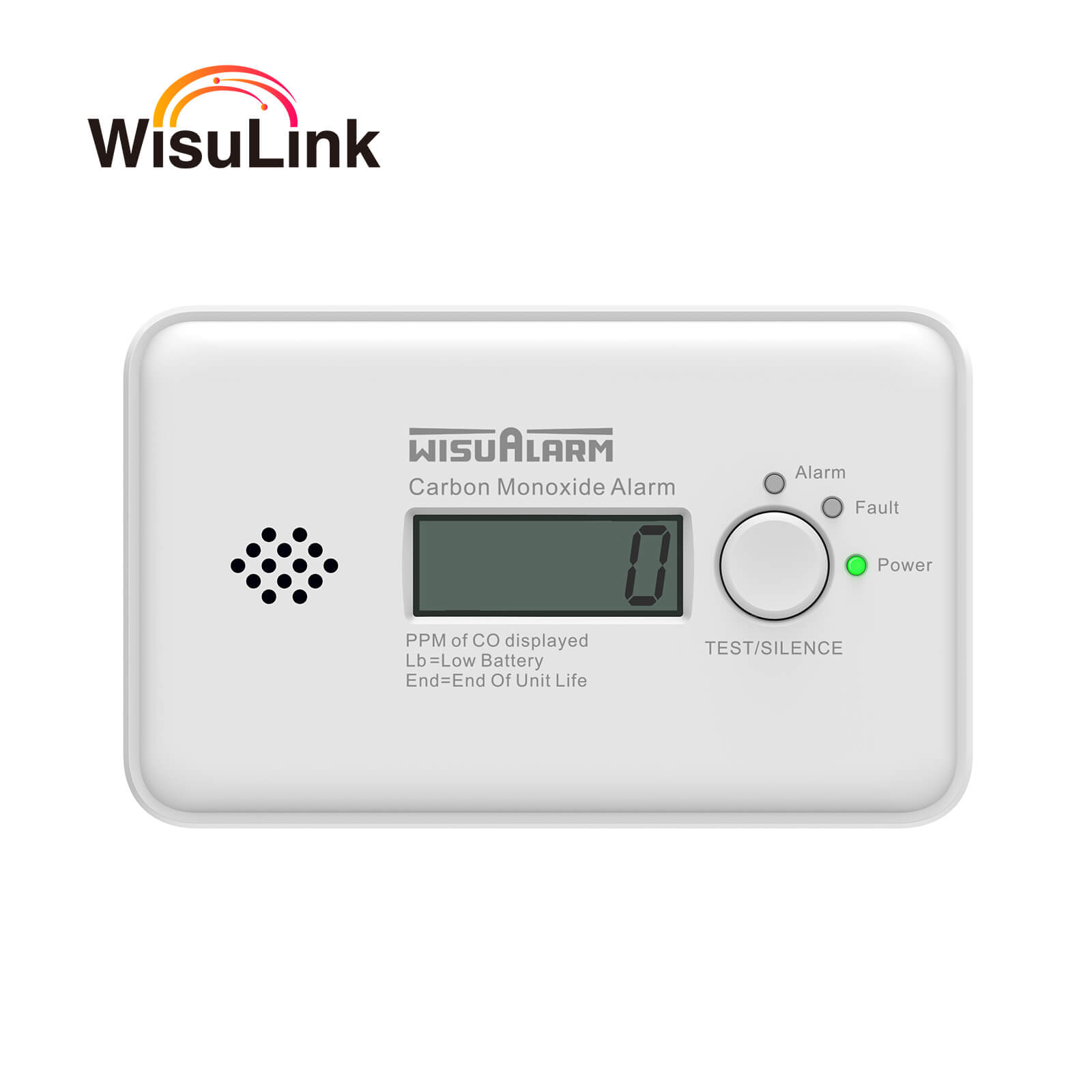
When it comes to home fire safety, investing in a high-quality smoke detector is non-negotiable—and Wisualarm’s smoke detectors are designed to address the very issues that cause frustration with ordinary alarms, while delivering uncompromising protection.
Wisualarm’s core advantage lies in its advanced sensor technology. Equipped with photoelectric sensor, these detectors detect slow-burning (smoldering) with exceptional accuracy—thanks to intelligent signal processing that distinguishes between real smoke and harmless airborne particles. This means fewer late-night chirps and more confidence in every alert.
Battery life is another standout feature. Many Wisualarm models come with a sealed, long-lasting lithium battery that provides up to 10 years of continuous power—eliminating the hassle of frequent battery replacements and the risk of low-battery beeps slipping your mind. All Wisualarm smoke detectors meet CE safety standards, with a rugged design that resists corrosion and sensor degradation. Each device clearly displays its manufacture date for easy lifespan tracking, and the intuitive “Test” button makes monthly checks simple for users of all ages.
Whether you’re replacing an expired alarm or upgrading your home’s safety system, Wisualarm smoke detectors offer the perfect blend of reliability, convenience, and peace of mind. With Wisualarm, you’re not just buying a smoke detector—you’re investing in a decade of consistent, trustworthy protection for your family and home.