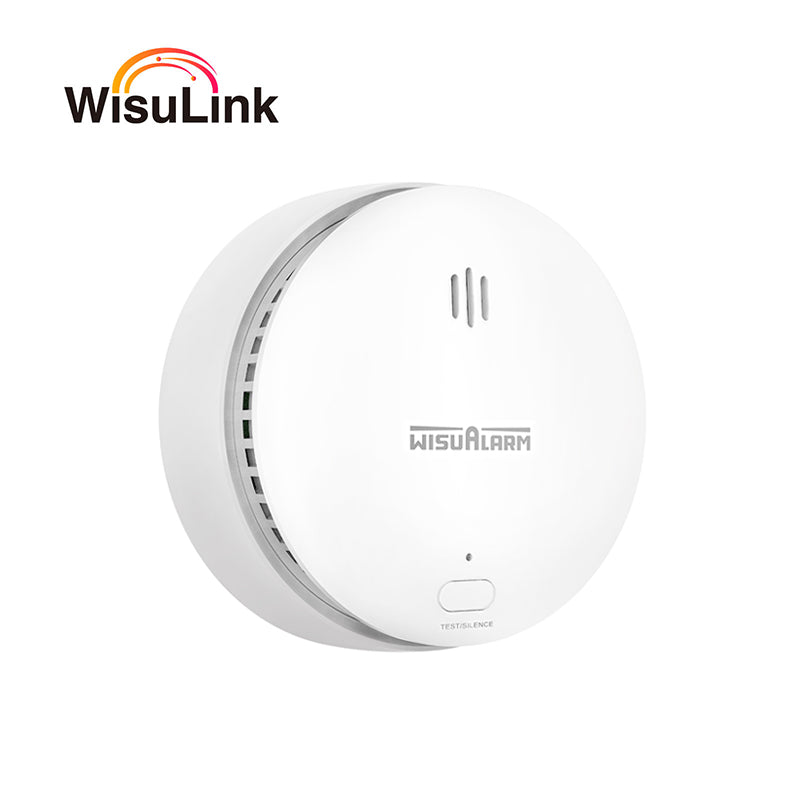

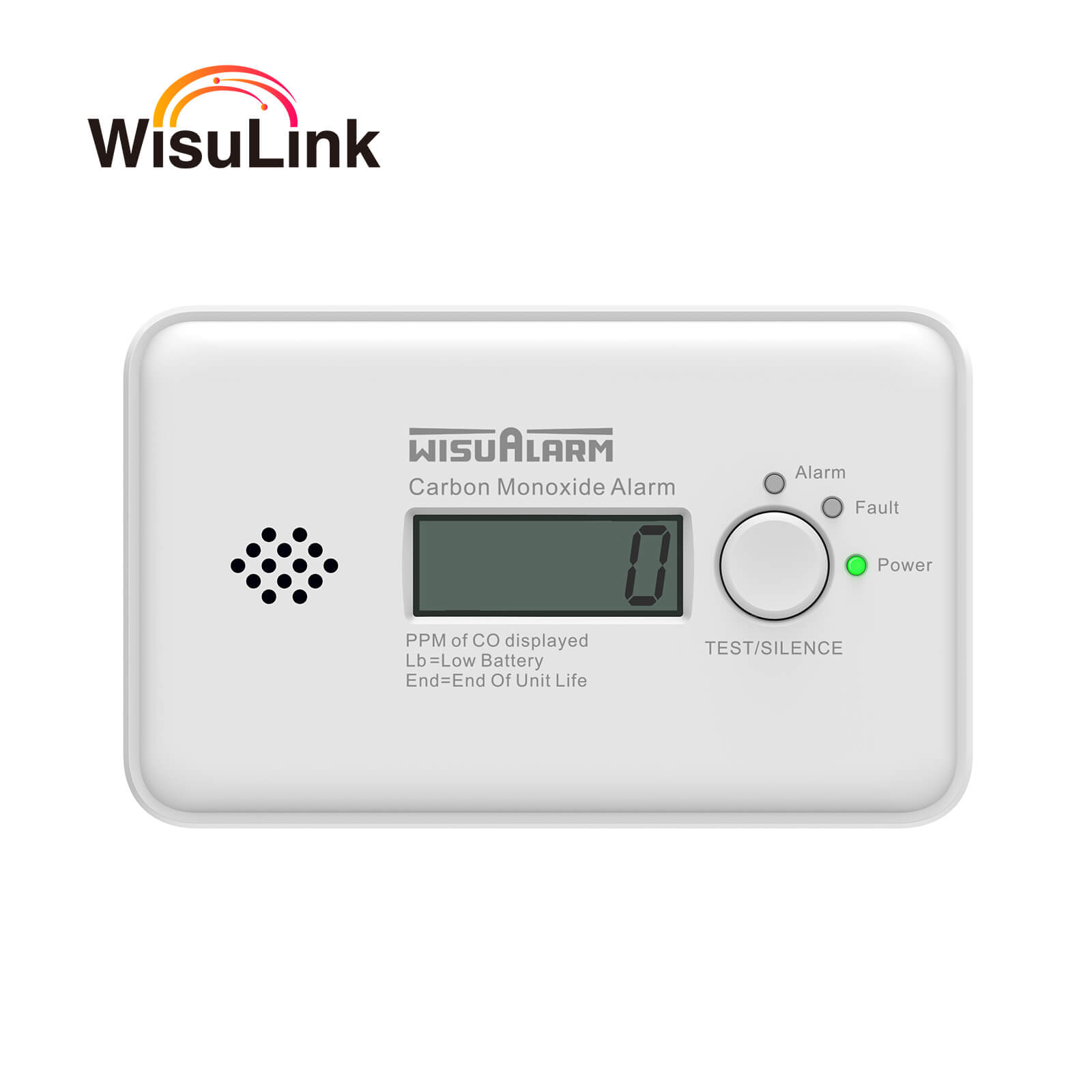


Wired or wireless smoke alarms — which is right for your home? If you want multiple alarms to sound together, you don't necessarily need to run new cables. Wireless interlinked smoke alarms can connect compatible smoke, heat and CO alarms without a wired interconnection.
This can be especially useful when replacing alarms in an existing home, where installing new cables between floors or through finished ceilings may be inconvenient.

Wireless vs Wired Smoke Alarms: What's the Difference?
The main difference is how the alarms are powered and how they communicate with each other.
Wired smoke alarms are normally connected to the property's electrical supply and can use physical wiring to interconnect multiple alarms. Wireless interlinked smoke alarms communicate between compatible alarms wirelessly, and many models are battery powered.
| Feature | Wired Smoke Alarms | Wireless Interlinked Smoke Alarms |
|---|---|---|
| Power | Usually mains powered | Often battery powered |
| Interconnection | Physical cable | Wireless communication |
| New cabling | May be required | Not required between compatible alarms |
| Existing homes | Depends on existing wiring | Useful for retrofit installations |
| Phone alerts | Requires additional smart equipment | Available with compatible Gateway/app systems |
Do Wireless Smoke Alarms Need to Be Wired Together?
No. Compatible wireless interlinked smoke alarms can communicate with each other without an interconnection cable.
When one alarm detects smoke or another hazard, it can send a wireless signal to the other alarms in the same system, allowing them to sound as well.
This is different from simply having several standalone smoke alarms. The alarms need to be specifically designed to communicate with each other and must be compatible with the same interlinked system.
A Wisualarm Wireless Interlinked Alarm System can combine compatible smoke, heat and carbon monoxide alarms into one wireless alarm network. Depending on the setup, you can choose individual alarms or an alarm bundle that groups the required alarms and system components together.
For homeowners looking for a ready-made setup, Wisualarm also offers interlinked alarm systems and Gateway kits for different home-safety needs.
Wireless interconnection does not necessarily mean Wi-Fi. Many alarm systems use their own wireless communication between alarms, so the alarms can remain interconnected without relying on your home Wi-Fi network.
When Does a Wired Smoke Alarm System Make Sense?
A wired system can be suitable when the required wiring is already installed or when you are building or renovating the property.
Existing Compatible Wiring
If your home already has a compatible wired interconnected alarm system, replacing the alarms with compatible wired models may allow you to make use of the existing installation.
New Build or Major Renovation
When walls and ceilings are already being opened for electrical or renovation work, installing alarm wiring may be easier to plan as part of the project.
Professional Electrical Installation
Mains-powered smoke alarm installation involves electrical work. Where local requirements call for professional installation, use a suitably qualified installer and follow the applicable regulations for your property.
When Is a Wireless Interlinked Smoke Alarm More Practical?
Wireless interlinked smoke alarms can be particularly practical for existing homes. They can avoid the need to install new interconnection cables between multiple alarm locations.
Older Homes
Older homes may have finished ceilings, multiple floors or layouts that make new cable installation difficult. A battery-powered wireless system can provide interconnection without requiring new cables between every alarm.
This is where an alarm bundle can also make planning easier. Instead of choosing every component separately, a compatible Wisualarm bundle can combine multiple alarm types or system components designed to work together.
Finished Ceilings and Walls
If you do not want to open ceilings or walls to install interconnection wiring, a wireless system can reduce the amount of installation work involved.
Multiple Floors
Wireless interconnection can be useful when alarms are installed across different floors. However, always check the manufacturer's stated wireless range and consider how walls, floors and the building structure may affect communication.
For an existing property, a Wisualarm Wireless Interlinked Alarm System can provide a battery-powered alternative to installing new interconnection cables between compatible alarms.
What About a 10-Year Battery Smoke Alarm?
If you are choosing a wireless system, battery life is another important consideration.
Some battery-powered smoke alarms use replaceable batteries, while others use sealed batteries designed to last for the service life of the alarm.
A 10-year battery smoke alarm can reduce the need for routine battery replacement. However, battery life and alarm service life are not necessarily the same thing. Always check the manufacturer's specifications and replace the alarm according to its stated service life.
Selected Wisualarm wireless interlinked alarms use 10-year sealed batteries, making them suitable for homeowners looking for a lower-maintenance battery-powered alarm system.
Do Wireless Smoke Alarms Need Wi-Fi?
No, not for basic wireless interconnection.
A wireless interlinked alarm system can allow compatible alarms to communicate directly with each other without connecting to your home Wi-Fi.
This means you can have:
- Battery-powered smoke alarms
- Wireless interconnection between alarms
- Whole-home alarm coverage
- No Wi-Fi required for the basic alarm-to-alarm connection
Wi-Fi or internet connectivity becomes relevant when you want additional smart features such as app notifications when you are away from home.
Can Wireless Smoke Alarms Send Phone Notifications?
Yes, but wireless interconnection alone does not automatically provide phone alerts.
If you want to receive an alert when smoke, heat or carbon monoxide is detected while you are away, you need a compatible smart Gateway or connected alarm system.
The basic setup works like this:
Alarm detects hazard → Wireless interconnection → Other alarms sound → Gateway → App notification
A compatible Wisualarm Gateway can connect the wireless alarm system to the app, allowing supported alarms to provide remote notifications.
This makes it possible to build a system around your needs: start with compatible wireless interlinked alarms, then choose an alarm bundle with Gateway when you also want app connectivity and remote alerts.
Wisualarm's interlinked alarm and Gateway kits bring these compatible components together, making it easier to choose a complete setup rather than matching every component individually.
This gives you two different levels of setup:
| Setup | What It Provides |
|---|---|
| Wireless interlinked alarms | Alarms communicate and sound together |
| Wireless alarms + Gateway | Interconnection plus supported app and remote alerts |
| Alarm bundle + Gateway | A pre-selected combination of compatible alarms and system components |
Wireless Interlinked vs Wired Smoke Alarms: What Should You Consider?
Instead of asking which technology is universally better, consider how each system fits your property.
| Your Situation | What to Look For |
|---|---|
| Existing wired system | Compatible wired replacement alarms |
| Older or finished home | Wireless interlinked alarms |
| Multiple floors | Suitable wireless range or planned cable routes |
| Want less battery maintenance | 10-year sealed-battery models |
| Want remote notifications | Compatible Gateway and app |
| Want a ready-made setup | Compatible wireless alarm bundle or Gateway kit |
What Should You Check Before Buying Wireless Smoke Alarms?
Not every wireless smoke alarm can be interconnected. Before buying, check these five points:
- Wireless interconnection: Make sure the alarm is designed for interlinked operation.
- Compatibility: Check which smoke, heat and CO alarm models can be connected together.
- Battery life: Look at both the battery type and the expected service life of the alarm.
- Wireless range: Check the manufacturer's stated range and consider your property's construction.
- Gateway compatibility: If you want app notifications, make sure the alarms can connect to the required Gateway.
If you are buying several alarms at once, an alarm bundle can also make compatibility easier to manage. Rather than selecting individual alarms, a bundle can bring together compatible smoke, heat, CO or Gateway components for a particular setup.
What Is the Simplest Setup for an Existing Home?
For an existing property where you want to avoid new interconnection cables, the basic setup can be straightforward:
- Choose compatible battery-powered smoke, heat or CO alarms.
- Install them in the required locations according to the manufacturer's instructions.
- Pair the alarms into the same wireless interlinked system.
- Test the interconnected alarms after installation.
- Add a compatible Gateway if you also want app connectivity and remote notifications.
For homeowners who want a more complete setup, a Wisualarm Wireless Interlinked Alarm System alarm bundle can bring compatible alarm types and system components together, while Gateway kits can add app connectivity where required.
You can see the available Wisualarm interlinked alarm and Gateway kits here.
This approach can provide wireless interlinked smoke alarms without Wi-Fi for the basic alarm network, with the option to add smart connectivity when you want remote notifications.
FAQ
Are wireless smoke alarms better than wired smoke alarms?
It depends on the property. Wired alarms can be suitable where compatible wiring already exists, while wireless interlinked alarms can be useful when installing new interconnection cables would be difficult or disruptive.
Do wireless smoke alarms need Wi-Fi?
No. Compatible wireless interlinked alarms can communicate with each other without Wi-Fi. Internet connectivity is generally needed only for features such as app-based remote notifications.
Can battery-powered smoke alarms be interconnected?
Yes. Some battery-powered smoke alarms are specifically designed for wireless interconnection. Make sure all alarms belong to the same compatible system.
Can wireless smoke alarms work without mains power?
Yes. Battery-powered wireless smoke alarms can operate without a mains power connection. Battery life depends on the specific model.
Can I replace wired smoke alarms with wireless ones?
It depends on your existing installation and the requirements that apply to your property. Check the existing system, local requirements and the compatibility of the replacement alarms before making the change.
Can wireless smoke alarms send phone notifications?
They can when used with a compatible Gateway or smart alarm system that supports app connectivity. Wireless interconnection by itself does not necessarily provide phone notifications.
Do I need a Gateway for wireless smoke alarms?
Not necessarily. A basic wireless interlinked system can work without a Gateway. A compatible Gateway is needed when you want supported smart features such as app connectivity and remote notifications.
What is an alarm bundle?
An alarm bundle is a pre-selected combination of compatible alarm products and, depending on the setup, components such as a Gateway. It can make it easier to choose multiple alarms that are designed to work together.
How many wireless smoke alarms can be interconnected?
The maximum number depends on the specific system. Always check the manufacturer's specifications before planning an installation.
Final Thoughts
Wireless vs wired smoke alarms is ultimately an installation decision based on your home, existing wiring and the features you need.
If suitable wiring is already available, a wired system may fit naturally into the property. If you are replacing alarms in an existing home and want to avoid new interconnection cables, wireless interlinked smoke alarms can provide another option.
Look at the complete system rather than just the word "wireless": interconnection, battery life, wireless range, alarm compatibility and Gateway support all matter.
For homeowners who want a ready-made setup, a Wireless Interlinked Alarm System alarm bundle can bring compatible alarms and system components together. When app-based remote notifications are also required, a compatible Gateway can be added as part of the setup.