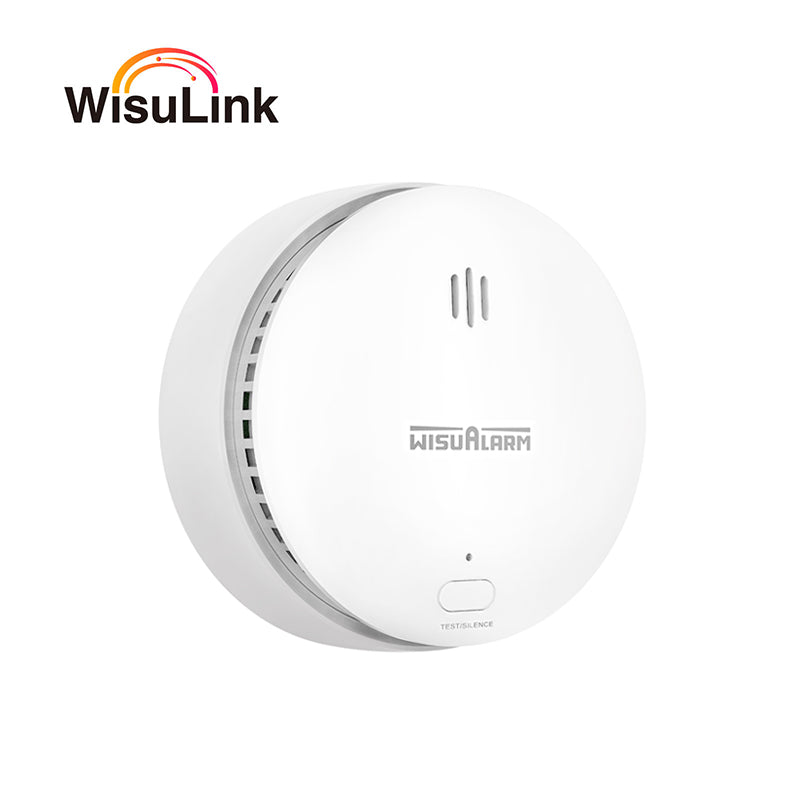
While smoke alarms are commonly used, heat alarms are another option that many people consider. But are heat alarms effective? Let's take a closer look at what heat alarms are and how they work.
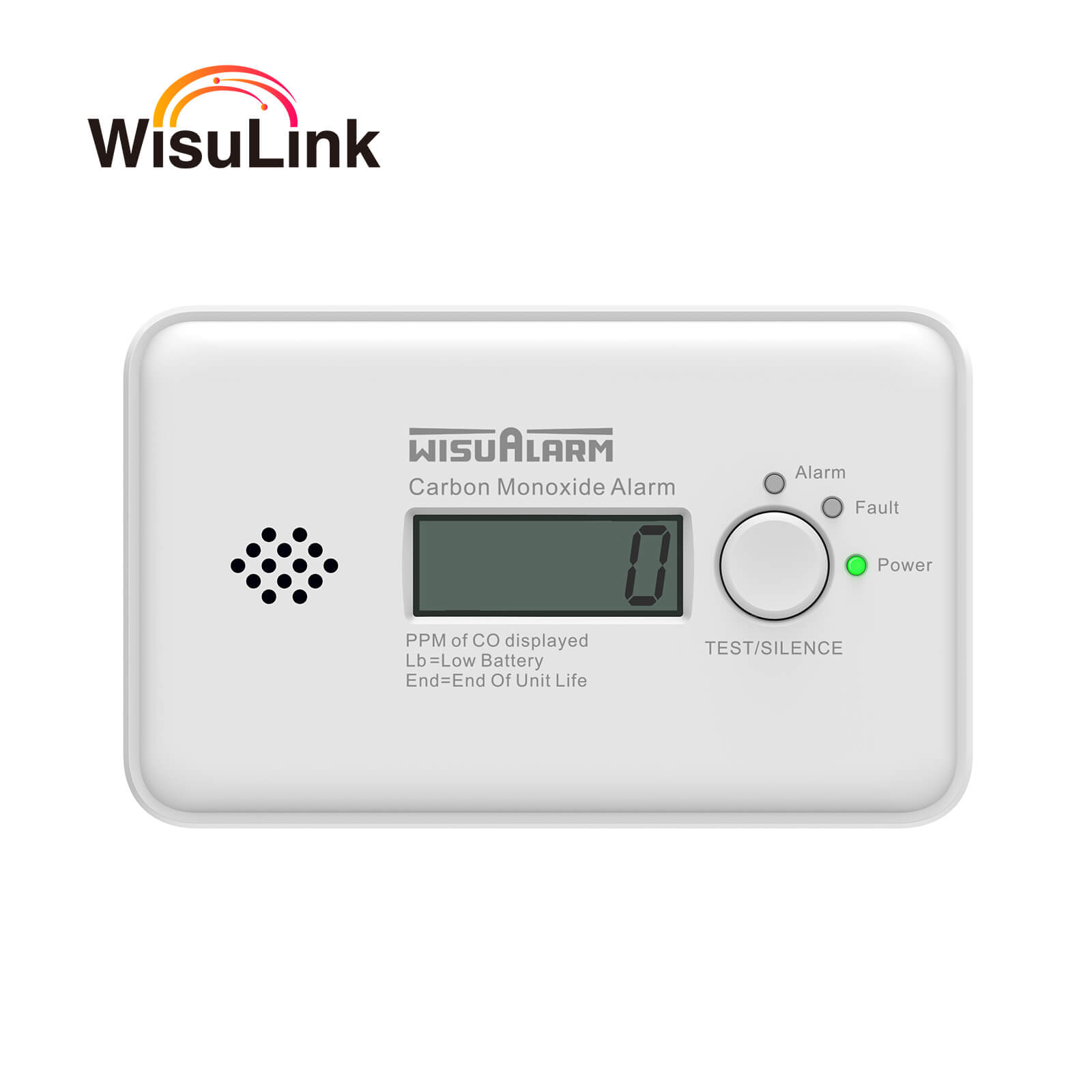
Carbon monoxide (CO) is a colorless, odorless gas that can be extremely dangerous if not detected early. That's why having a carbon monoxide alarm in your home is crucial for your safety. But what should you do if your carbon monoxide alarm goes off unexpectedly? In this blog post, we will explore the possible reasons why your carbon monoxide alarm is on and what steps you should take to ensure your well-being.
When it comes to fire safety, early detection is crucial. That's where flame cameras come into play. But what exactly is a flame camera and how does it work? In this blog post, we'll explore the ins and outs of flame cameras, their benefits, and how they can help protect lives and property. What is a flame camera? A flame camera, also known as a fire detection camera, is a specialized device designed to detect the presence of flames in real-time. It utilizes advanced imaging technology to analyze the visual and infrared spectrum and identify the unique patterns and characteristics of flames. How does a flame camera work? Flame cameras work by capturing images or video footage of the monitored...
Smoke alarms are an essential safety feature in every home. They are designed to detect the presence of smoke and alert occupants to potential fire hazards. But have you ever wondered what triggers a smoke alarm? In this blog post, we will explore the various factors that can set off a smoke alarm and how they work. 1. Smoke Particles The primary trigger for a smoke alarm is the presence of smoke particles in the air. Smoke is made up of tiny particles that are released when something burns. These particles can be as small as 0.01 microns in diameter, which is smaller than a human hair. When smoke particles enter the sensing chamber of a smoke alarm, they disrupt...