
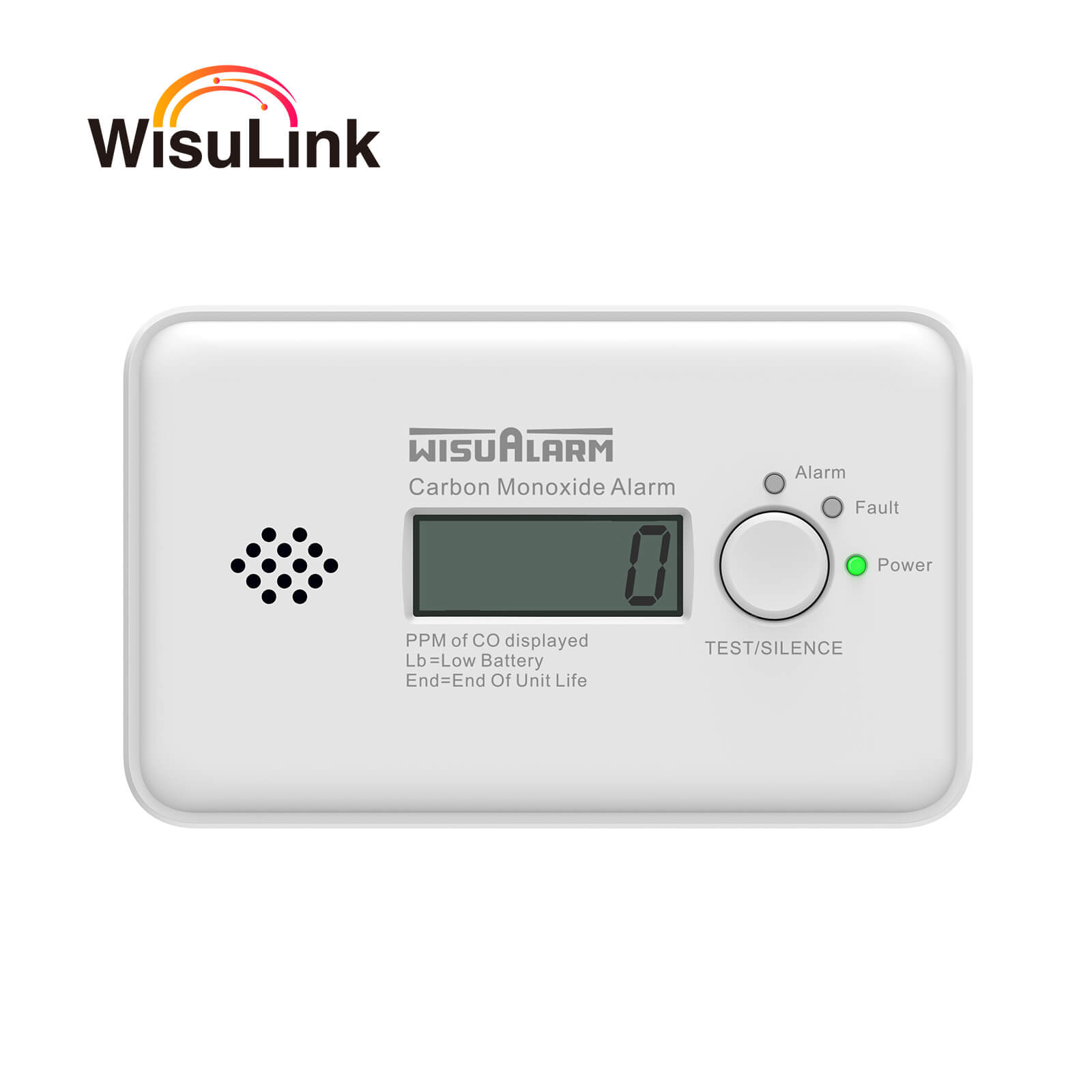


When it comes to fire safety in Germany and across Europe, the technical terminology can often feel like an alphabet soup of acronyms: DIN, EN, VdS, and CE. If you are a homeowner or a property manager, understanding which standard applies to smoke detectors is not just about compliance—it is about ensuring life-saving reliability.
In this article, we dive deep into the specific standards that govern smoke alarms and why one specific certification, EN 14604, is the "gold standard" you must look for.
The German Framework: DIN 14676 vs. DIN EN 14604
In Germany, smoke detector safety is governed by two primary standards that work hand-in-hand. It is a common mistake to confuse the two, but they serve very different purposes:
1. DIN 14676: The "How-To" Standard
DIN 14676 is a national German standard that focuses on the application. It dictates how smoke detectors should be installed, maintained, and operated.
-
Where to install: It specifies that bedrooms, children’s rooms, and hallways serving as escape routes must have detectors.
-
Maintenance: It outlines the requirements for the annual functional test (the "inspection").
2. DIN EN 14604: The "Product" Standard
While DIN 14676 tells you where to put the device, DIN EN 14604 (the German version of the European standard EN 14604) tells you how the device must perform.
The Critical Importance of EN 14604 Certification
Since 2008, it has been a legal requirement in the EU that all smoke detectors sold must be certified according to EN 14604. This is the rigorous technical blueprint that ensures a device won't fail when seconds count.
What does an EN 14604 certification guarantee?
To pass this certification, a smoke detector must undergo grueling tests in laboratory conditions, including:
-
Sound Output: The alarm must reach a minimum sound pressure of 85 dB(A) at a 3-meter distance to ensure it can wake a sleeping person.
-
Durability: The device must remain functional under extreme humidity, corrosion, and temperature fluctuations.
-
Battery Warning: It must provide a distinct warning signal at least 30 days before the battery is fully depleted.
-
Smoke Entry: The design must allow smoke to enter the sensing chamber from all directions (360° sensitivity).
Expert Note: While the CE mark is mandatory, it only indicates that the manufacturer claims the product meets EU laws. The EN 14604 reference on the product is the actual proof of fire safety performance.
Moving Beyond the Basics: Professional Grade Safety
For those seeking the highest level of security, the industry often looks toward VdS certification or Q-Label standards, which build upon the foundation of EN 14604. These labels ensure a service life of 10 years and a significant reduction in "false alarms"—a common nuisance in lower-quality devices.
Choose Certified Peace of Mind with Wisualarm
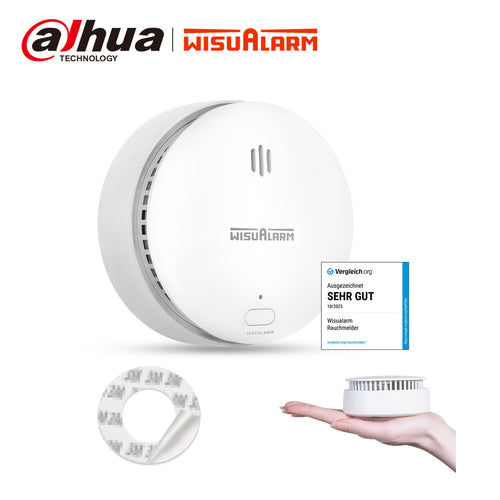
At Wisualarm, we don't just follow standards; we exceed them. We understand that a smoke detector is the most important electronic device in your home.
Our range of EN 14604 Certified Smoke Detectors is engineered to provide military-grade precision for residential environments. By choosing Wisualarm, you are investing in:
-
Full EN 14604 Compliance: Rigorously tested for maximum reliability.
-
Advanced Sensing Technology: Reduced false alarms from cooking fumes or dust.
-
10-Year Battery Life: Long-term protection without the hassle of yearly battery changes.
-
Sleek, Modern Design: Safety that fits seamlessly into your interior decor.
Don't leave your family's safety to chance. Ensure your home meets the highest European standards with Wisualarm.