


When the cold German winter sets in, we retreat to the warmth of our homes, relying on gas boilers (Gasthermen), wood-burning stoves (Kamine), or oil heating systems to keep the chill at bay. But with these comforts comes a silent, invisible, and odorless threat: Carbon Monoxide (CO).
Known as the "Silent Killer," carbon monoxide is a byproduct of incomplete combustion. Because it is impossible for human senses to detect, the placement of a CO detector is not just a home improvement task—it is a life-saving strategy. In Germany, safety is governed by strict standards, particularly DIN EN 50291.
In this comprehensive guide, we will explore the science of CO behavior and the precise locations where you must install detectors to ensure your family remains safe.
1. The Science of CO: Why Placement Matters
To understand where a detector goes, you must first understand how CO moves. Unlike smoke, which is hot and rises rapidly to the ceiling, carbon monoxide has a density nearly identical to air ($CO \approx 0.97$ vs. $Air = 1.0$).
This means CO doesn't just float to the top of the room; it mixes with the air and moves with the air currents. However, because it is often produced by warm appliances, it can be carried upward by rising heat. Therefore, your placement strategy must account for both "source protection" and "breathing zone protection."
2. Priority One: Rooms with Fuel-Burning Appliances
Every room in your German home that contains a "combustion source" must have its own detector. This includes:
-
The Utility Room (Heizungskeller): Where the central heating boiler resides.
-
The Living Room: If you have an open fireplace or a pellet stove.
-
The Kitchen: If you use a gas stove.
Positioning Near the Source:
-
Horizontal Distance: Place the detector between 1 and 3 meters away from the appliance. Placing it too close (less than 1 meter) can lead to "nuisance alarms" from tiny, harmless amounts of CO released during start-up.
-
Vertical Height: If wall-mounting, place it above the height of any door or window, but at least 150mm below the ceiling. If ceiling-mounting, keep it at least 300mm away from any wall.
-
The "Appliance Side": Always ensure the detector is on the same side of any architectural obstructions (like beams or partitions) as the appliance itself.
3. Priority Two: Sleeping Areas and "Breathing Zones"
If a leak occurs at night, the goal of the alarm is to wake you before you lose consciousness. CO poisoning often mimics flu symptoms (headaches, nausea), which are easy to ignore while asleep.
-
Distance to Bedrooms: Install a detector within 3 to 5 meters of every bedroom door. If you have a long hallway serving multiple bedrooms, one at each end is best.
-
Inside the Bedroom: For maximum safety, place a detector inside the bedroom at breathing height. When you are sleeping, this is roughly the height of your mattress or nightstand (approx. 45–60 cm from the floor).
-
Common Rooms: Place detectors in living rooms or home offices at "seated breathing height"—usually about 1 to 1.5 meters above the floor.
4. Multi-Story Homes: The "Every Floor" Rule
Carbon monoxide can travel through floorboards, HVAC ducts, and even through the gaps around pipes. In a typical German Einfamilienhaus (detached house) or Reihenhaus (terraced house):
-
The Basement: Often the source of the leak (boiler/furnace).
-
The Ground Floor: Where the garage and living areas are.
-
The Upper Floors: Where the bedrooms are located.
Expert Tip: If your home has an attached garage, always place a detector in the room immediately adjacent to the garage door. Car exhaust is a major source of CO, and a car left idling for even a few minutes can send lethal levels of gas into the living quarters.
5. Where NOT to Place Your CO Detector
A poorly placed detector is almost as dangerous as no detector at all, as it may fail to sound or trigger frequent false alarms. Avoid these spots:
-
Dead Air Spaces: Corners of ceilings or peaks of gabled roofs where air doesn't circulate.
-
Near Ventilation: Avoid being within 2 meters of ceiling fans, air vents, or open windows. The fresh air will dilute the CO near the sensor, preventing it from triggering.
-
Humid Areas: Bathrooms are a no-go. High humidity can damage the electrochemical sensor inside the device.
-
Behind Obstructions: Never hide a detector behind curtains, furniture, or inside a cupboard.
6. Maintenance: The German "Prüfung"
In line with German quality standards, your CO detector should be tested monthly using the "Test" button. Furthermore:
-
Replace every 7–10 years: The electrochemical sensors have a fixed lifespan.
-
Clean the vents: Use a vacuum or soft cloth to ensure dust isn't blocking the sensor’s "breathing holes."
Total Peace of Mind with Wisualarm CO Solutions
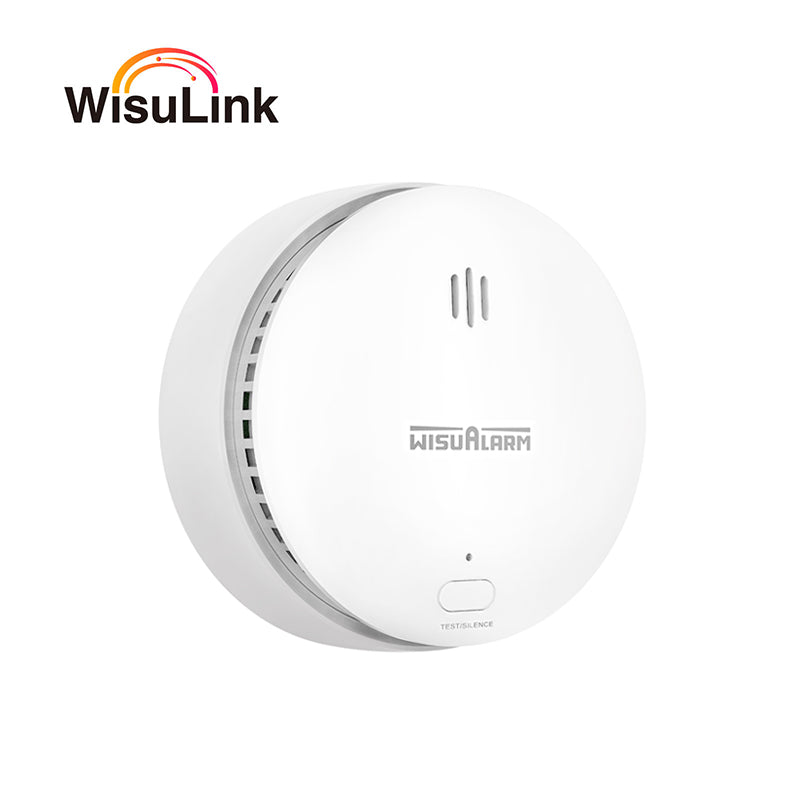
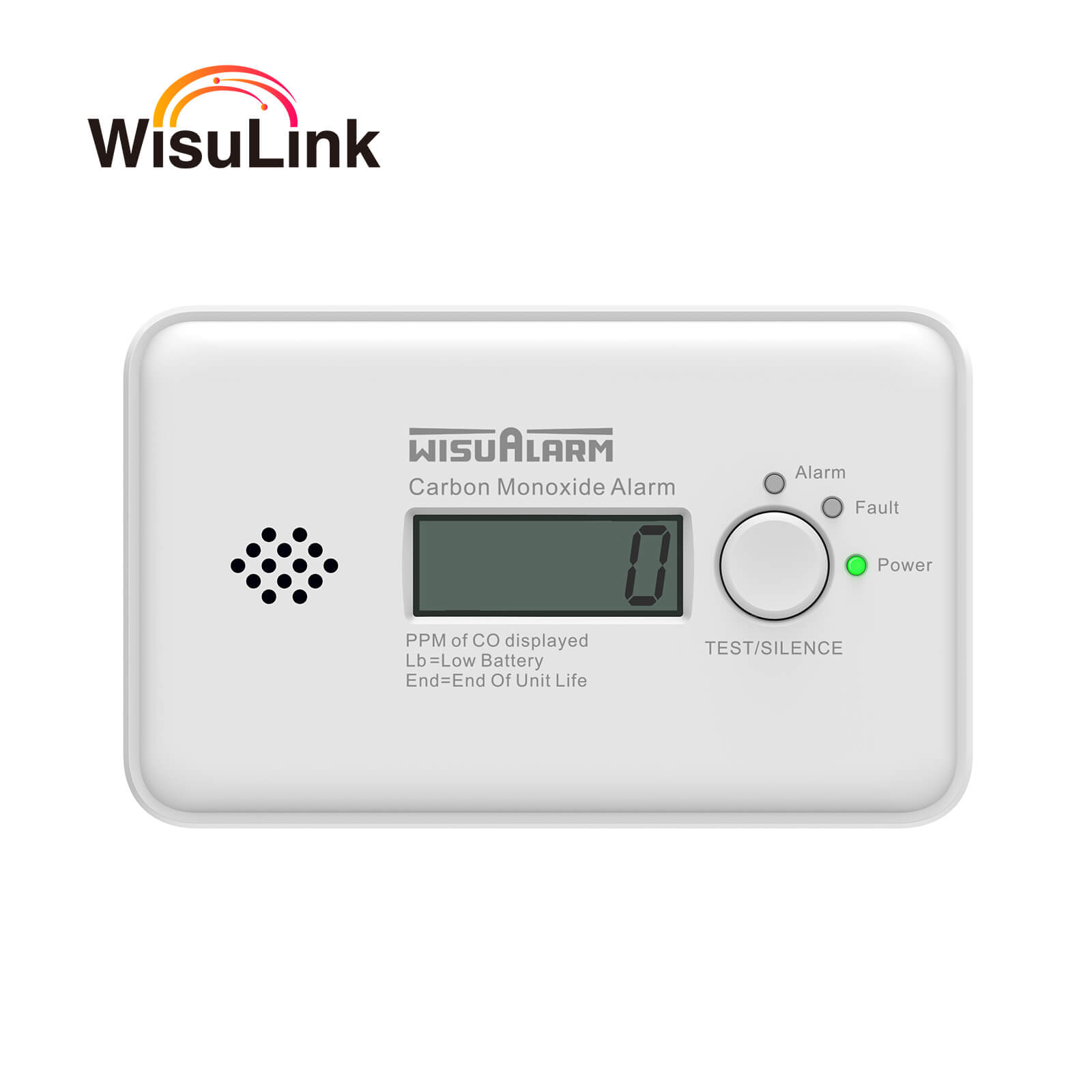
When it comes to the "Silent Killer," you need a device that is as vigilant as it is precise. Wisualarm Carbon Monoxide Detectors are engineered specifically for the safety-conscious European market, fully compliant with the EN 50291 standard and TÜV-certified.
Why Wisualarm is the gold standard for your home:
-
10-Year Sealed Battery: Our premium models feature a non-replaceable lithium battery that lasts for the entire life of the sensor. No more "low battery" chirps in the middle of the night.
-
High-Precision Sensors: Using industry-leading electrochemical technology, Wisualarm detects even low levels of CO, providing early warnings before symptoms even begin.
-
3-in-1 Intelligence: Many of our models (like the Wisualarm C06) also display real-time temperature and humidity on a crisp LCD screen, helping you maintain a healthy indoor climate alongside safety.
-
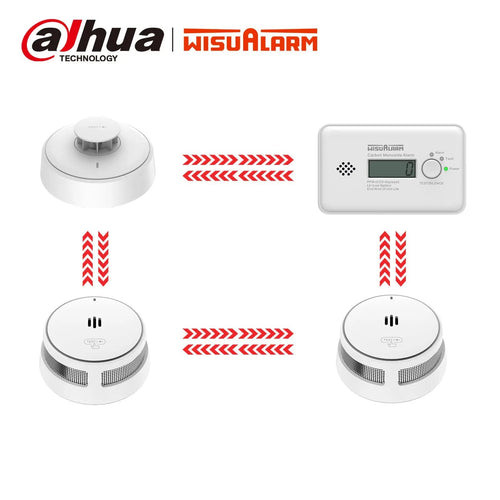
Interlinked Safety: Our wireless interlinked models ensure that if a leak is detected in your basement boiler room, the alarm in your third-floor bedroom sounds instantly.
Don't wait for a "flu-like" headache to tell you there's a problem. Protect your family with Wisualarm—because when it comes to carbon monoxide, every second counts.