


Introduction: The Underestimated Danger Within Your Own Four Walls
In Germany, most people associate "fire protection" primarily with the visible smoke of a fire. However, the most dangerous threat in our living rooms is often completely invisible, odorless, and tasteless: Carbon Monoxide (CO). Every year, German hospitals record thousands of emergencies and hundreds of deaths due to CO poisoning. Because the human senses cannot detect this gas, it is often noticed only when it is too late.
1. The Physiology of Danger: What Happens in the Body?
Carbon monoxide is produced during the incomplete combustion of carbon-based materials such as gas, oil, wood, or coal. The chemical danger lies in CO's affinity for hemoglobin (the red pigment in blood). CO binds to hemoglobin approximately 200 to 300 times more strongly than oxygen.
Even low concentrations in the room air cause the transport of oxygen in the blood to be blocked. The consequences are treacherous: headaches, dizziness, and nausea are often mistaken for a beginning flu. At higher concentrations, unconsciousness occurs, followed by death by internal suffocation—often in one's sleep, without the victim ever waking up.
2. Why Germany is Particularly Exposed: Energy Efficiency vs. Ventilation
Germany is a global leader in the energy-efficient renovation of buildings. Highly insulated windows and airtight building shells (e.g., the Passivhaus standard) are excellent for the energy balance, but they can be fatal in the event of technical defects in combustion sites.
The "Negative Pressure Phenomenon": In modern German households, we often find a dangerous combination: a powerful extractor hood in the kitchen and a cozy fireplace or a gas boiler in the living room or bathroom. If the extractor hood moves air outside without enough fresh outdoor air flowing back in, negative pressure is created. This sucks exhaust gases (including CO) from the chimney back into the living spaces. Without a certified CO detector, there is no way to detect this deadly trap in time.
3. Legal Status and DIN Standards in Germany
While the smoke detector requirement (Rauchmelderpflicht) is firmly anchored in all 16 federal states, the legal obligation for CO detectors is still lagging behind. Nevertheless, there are clear technical guidelines. DIN EN 50291 is the authoritative standard for electrical devices for the detection of carbon monoxide in residential buildings.
A professional CO detector must not only alarm at high concentrations but also at low values over a longer period (time-delay function) to prevent chronic poisoning. Experts strongly advise not to wait for legislation but to take personal responsibility for the safety of your family.
4. Installation: Where is Protection Most Effective?
A common mistake in installation is placing them analogously to smoke detectors. Since CO has a similar density to air (slightly lighter), it distributes evenly throughout the room.
-
Sleeping Areas: A detector should be installed within earshot of every bedroom.
-
Boiler Rooms: Near gas boilers or oil heaters (approx. 1–3 meters away).
-
Living Rooms with Fireplaces: This is where the risk of chimney back-draft is greatest.
The Solution: The WISUALARM Carbon Monoxide Detector (CO Sensor)
To meet these complex requirements, WISUALARM has developed a technology that goes far beyond standard DIY store products.
Why WISUALARM is the first choice for German households:
-
High-Precision Electrochemical Sensors: Our sensors react to the smallest molecular changes in the air, long before physical symptoms appear.
-
10 Years Maintenance-Free: Equipped with a sealed 10-year lithium battery, the annoying battery change is eliminated. The device protects you reliably over its entire service life.
-
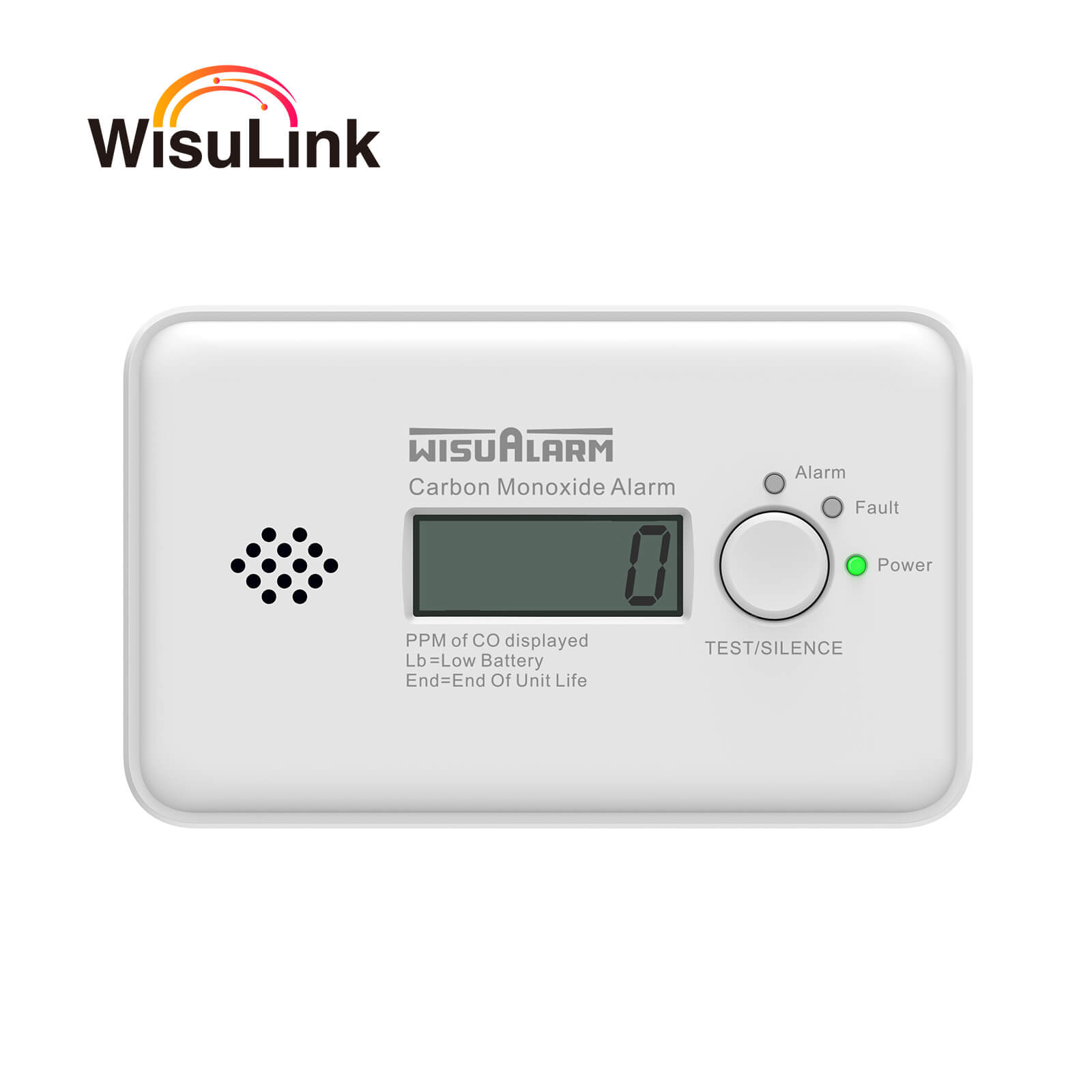
Real-Time LCD Display: Unlike simple alarms, the WISUALARM display shows the CO concentration in PPM (Parts per Million). This allows you to see immediately if action is required, even if the alarm threshold has not yet been reached.
-
Full Compliance: Certified according to DIN EN 50291-1:2018, our device meets the strictest European safety standards.
-
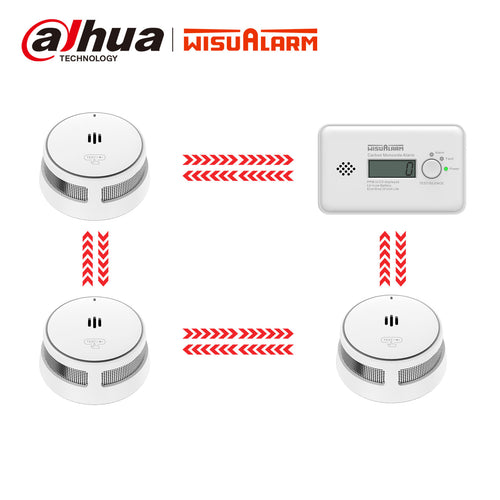
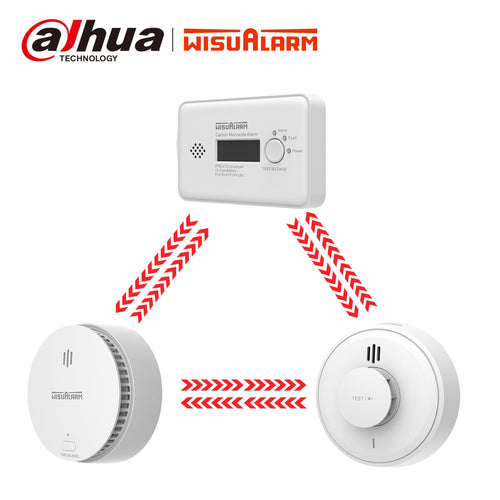
Smart Home Integration: In connection with the WISUALARM Gateway, you will receive an immediate notification on your smartphone in an emergency—no matter where you are.
Do not leave it to chance when it comes to the lives of your loved ones. A WISUALARM carbon monoxide detector is a small investment with a life-saving impact.