
For decades, the standard smoke alarm has been the frontline defender against fire in our homes and businesses. We all know the high-pitched shriek that sends a jolt through us, signaling danger. But what if there was a way to "see" the smoke, confirm the threat, and even provide visual verification before emergency services arrive? Enter the Smoke Detection Camera. This isn't just a regular camera with a smoke alarm stuck next to it. It's a sophisticated integration of visual technology and smart analytics that is changing the game in fire safety, moving us beyond simple acoustic alarms to a more intelligent, responsive, and verifiable system. What Exactly is a Smoke Detection Camera? At its core, a smoke detection camera...
In the heart of Europe’s industrial powerhouse, German companies are renowned for their uncompromising standards in safety, precision, and efficiency. Whether it is a sprawling logistics hub in Hamburg, an automotive production line in Stuttgart, or a recycling facility in the Ruhr area, the risk of fire remains one of the most significant threats to operational continuity and employee safety. Traditional fire detection methods—such as smoke or heat detectors—have served us well for decades. However, they possess a fundamental limitation: they are reactive. They only trigger once a fire has already started and produced enough smoke or heat to reach the sensor. In the modern industrial landscape, where high-value assets and complex chemical processes are the norm, waiting for smoke...
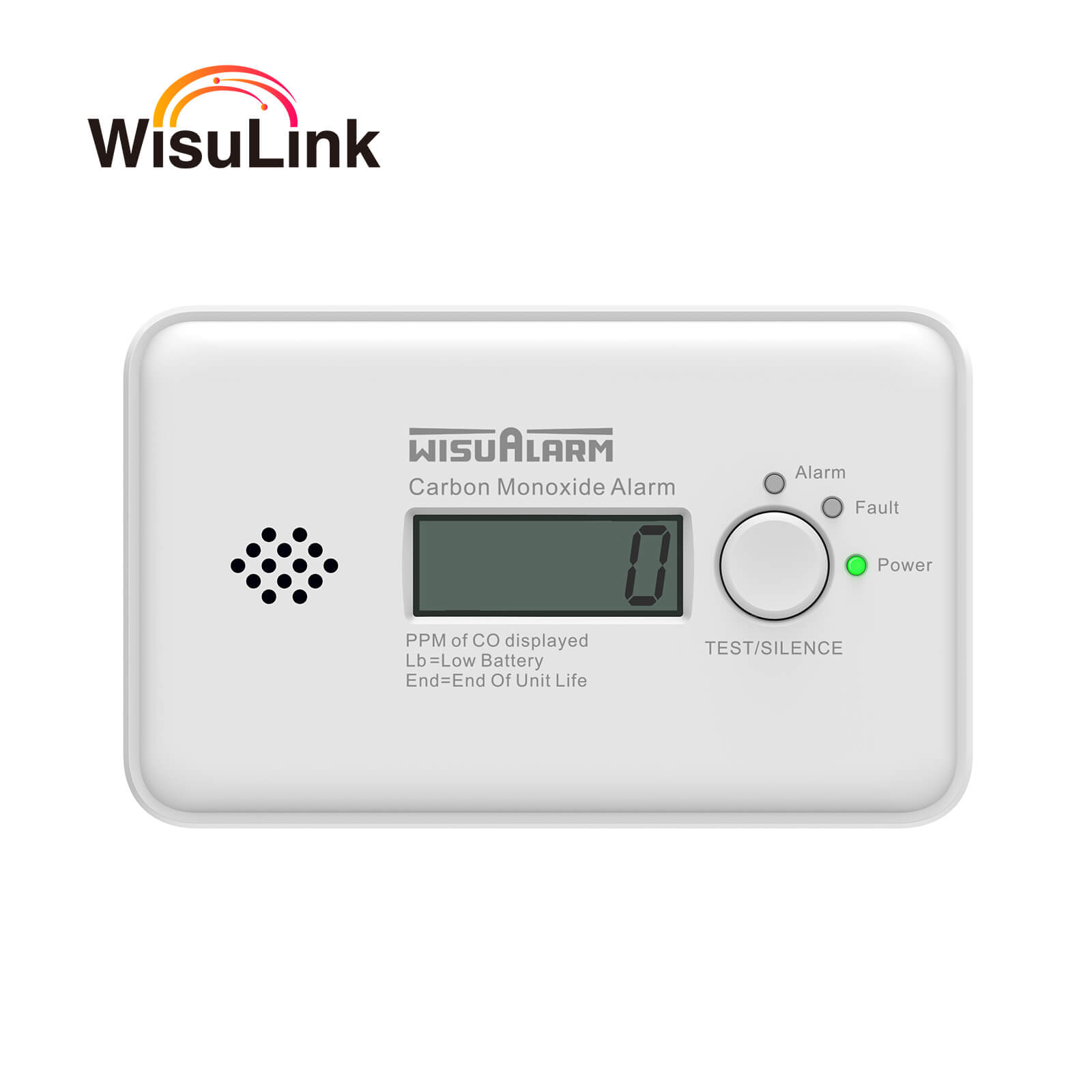
When the cold German winter sets in, we retreat to the warmth of our homes, relying on gas boilers (Gasthermen), wood-burning stoves (Kamine), or oil heating systems to keep the chill at bay. But with these comforts comes a silent, invisible, and odorless threat: Carbon Monoxide (CO). Known as the "Silent Killer," carbon monoxide is a byproduct of incomplete combustion. Because it is impossible for human senses to detect, the placement of a CO detector is not just a home improvement task—it is a life-saving strategy. In Germany, safety is governed by strict standards, particularly DIN EN 50291. In this comprehensive guide, we will explore the science of CO behavior and the precise locations where you must install detectors to...
In Germany, fire protection is not a matter of personal preference—it is a legal obligation. The Rauchwarnmelderpflicht (mandatory smoke alarm law) is now firmly established in the building codes of all 16 federal states. However, despite clear legislation, uncertainty often prevails: Which rooms actually require smoke detectors? To secure your home according to the DIN 14676 standard, we must distinguish between the legal minimum requirements and "optimal" protection. This guide will walk you through the necessities for homeowners (Eigentümer), tenants (Mieter), and property managers (Hausverwalter). The Legal Minimum Requirement (The "Must-Haves") According to the legislation in almost all federal states (such as North Rhine-Westphalia, Bavaria, and Berlin), the following rooms must be equipped with smoke detectors by law: 1. Bedrooms...