


When you browse home safety forums like r/homeowners or r/HomeImprovement, you’ll often find users venting about "chirping" detectors or false alarms during dinner prep. For many, a smoke alarm or carbon monoxide alarm is just a plastic box on the ceiling that stays ignored until it malfunctions or runs out of power.
However, as we head into the peak summer holiday season, professional safety installers and home security experts advocate for a shift from "passive hardware" to "active, intelligent monitoring"—whether you are at home or on the road.
1. The "Cheap Sensor" Trap: Understanding the Disparity
Generic, low-cost detectors are often built with commodity-grade sensors. These frequently struggle to differentiate between a hazardous smoldering fire and common household irritants like cooking steam or dust.
-
The Reality of Nuisance Alarms: A common frustration in community threads is the "3 AM chirp." This is frequently caused by power fluctuations in low-quality circuits or sensors that lack the sensitivity to distinguish between real danger and ambient humidity.
-
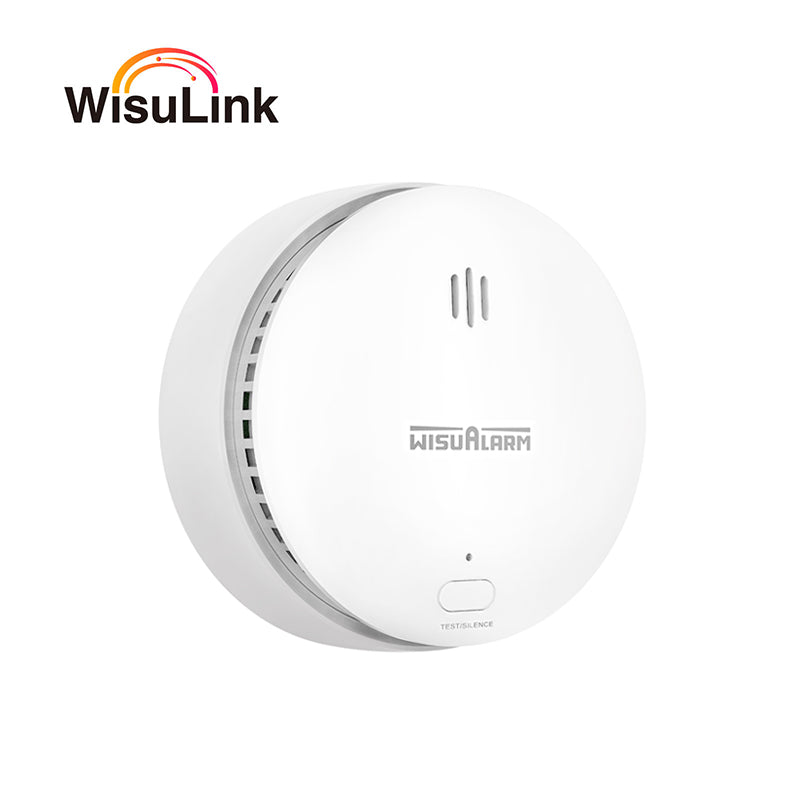
The Wisualarm Difference: Our engineering prioritizes signal discrimination. By utilizing advanced photoelectric chambers, our devices effectively filter out non-threatening particles. This ensures that when your smoke alarm sounds, it’s a situation requiring your immediate attention—not a kitchen mistake.
2. Why "Interlinked" is the New Gold Standard
The era of isolated, standalone alarms is fading. The most effective systems today are interlinked.
-
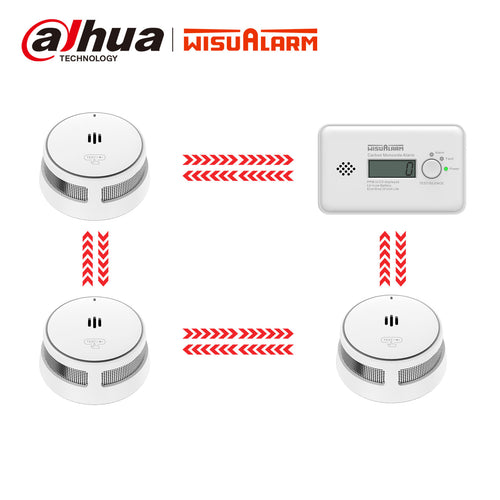
The Connected Advantage: A connected fire alarm system allows all units in your home to communicate wirelessly. If your kitchen unit detects smoke, the interlinked smoke alarm in your bedroom triggers simultaneously.
-
Early Warning: In a residential fire, every second counts. Interlinked systems remove the "wait time" for smoke to travel, providing early warning regardless of where you are in the house.
3. Summer Safety: Don't Let Your Guard Down on Holiday
June marks the start of the outdoor season. Whether you’re planning a trip in a campervan, staying at a holiday cottage, or enjoying a camping getaway, safety shouldn't take a break.
-
The "Travel-Safe" Philosophy: Relying on the host’s equipment can be a gamble. For travelers using mobile gas heaters or portable BBQs, the carbon monoxide detector becomes a vital piece of gear.
-
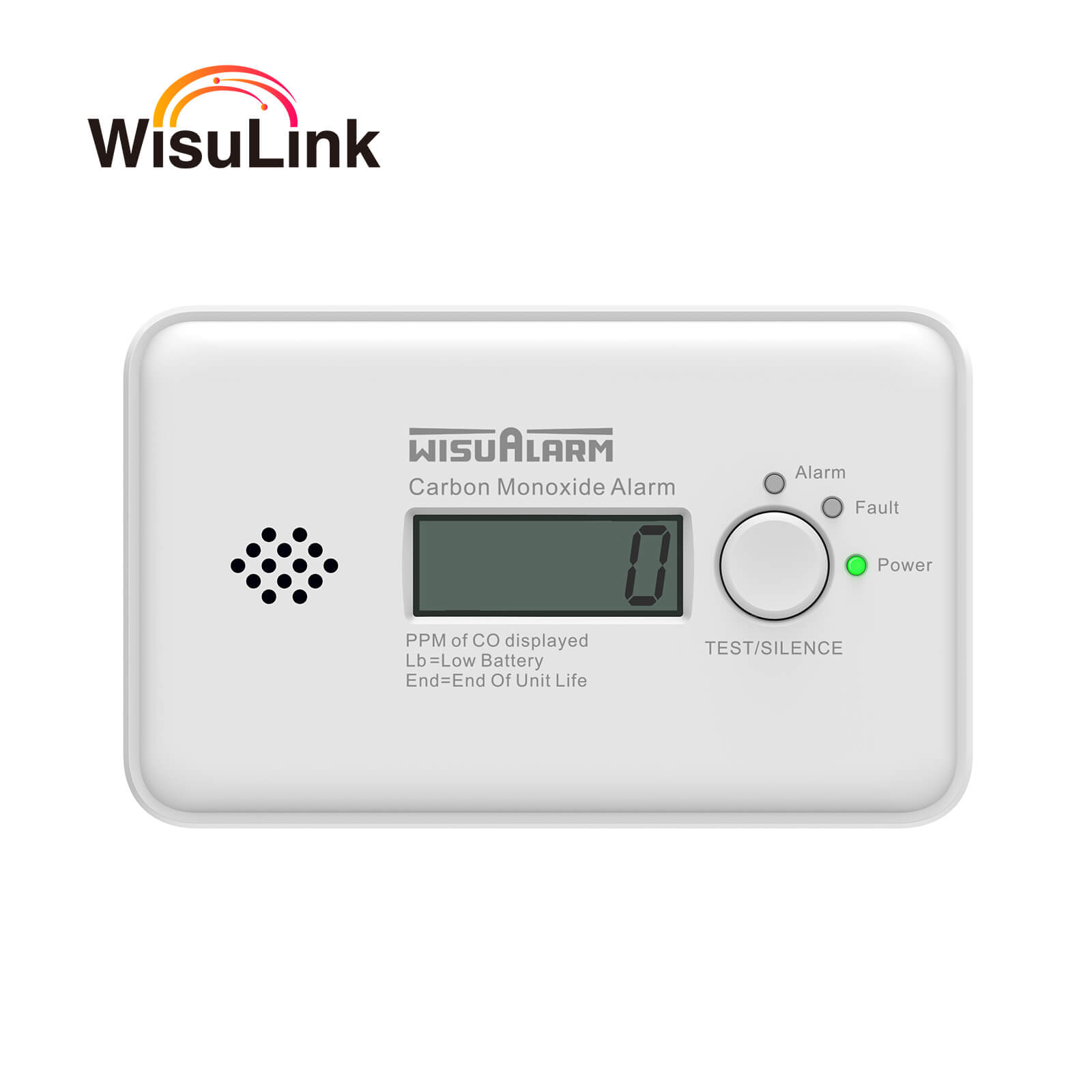
Real-time Awareness: Unlike standard devices that only alarm when limits are breached, our units provide a live LCD readout. Seeing a "0 ppm" reading provides objective data.
-
Expert Tip: Fire safety agencies strictly warn: Never use fuel-burning devices inside your tent or caravan. Always ensure adequate ventilation and carry an EN 50291-2 certified detector, which is specifically engineered to be vibration-resistant and durable for the road.
4. Quick Comparison: Reliability at a Glance
| Feature | Standard "Big Box" Store Units | Wisualarm Professional Grade |
| False Alarm Rate | High (Steam/Dust sensitive) | Low (Filtered sensing technology) |
| Communication | Isolated (Stand-alone) | Fully interlinked/connected |
| End-User Data | None | Real-time LCD ppm readout |
| Build Quality | Consumer-grade plastic | Shock resistant (Travel-ready) |
Ready to upgrade your peace of mind? Whether you are securing your permanent residence or prepping for your next big adventure, don't settle for the bare minimum. Experience the professional-grade protection that prioritizes your safety, wherever you are.