


Among the different types of smoke detectors available, two common choices are photoelectric smoke detectors and ionization smoke detectors. Understanding the differences between these two types can help homeowners make an informed decision about the best option for their needs. In this article, we will explore the principle of operation, sensitivity, false alarm rates, and safety aspects of both types.
Principle of Operation
Photoelectric smoke detectors
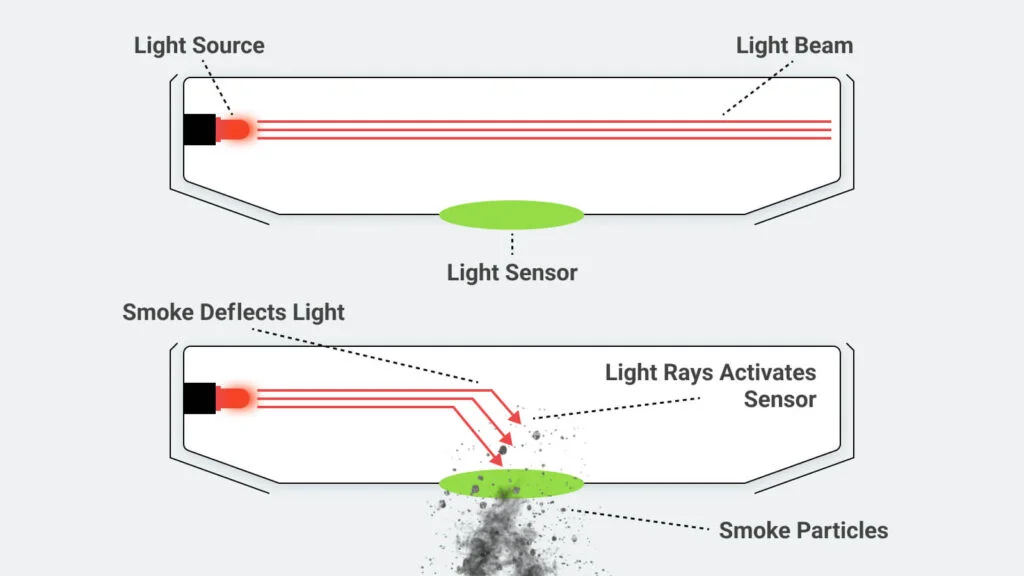
Photoelectric smoke detectors use a light-sensitive mechanism to detect smoke. Within the detector, an infrared light beam is projected into a sensing chamber. When smoke particles pass through the chamber, they scatter the light beam, triggering the alarm.
Ionization smoke detectors
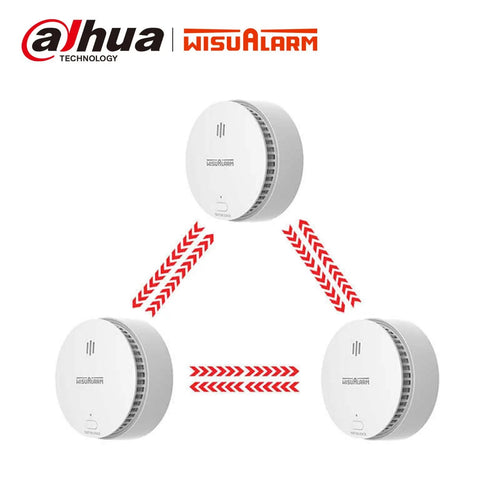
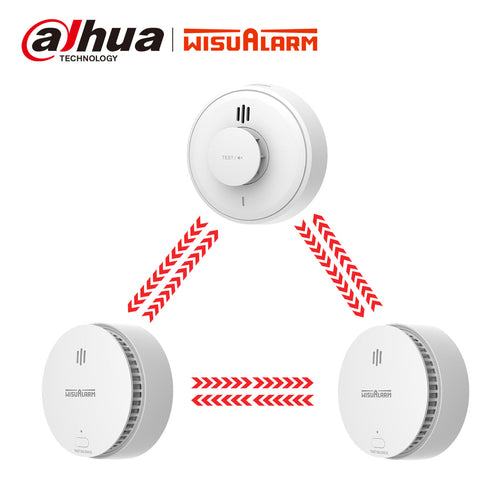
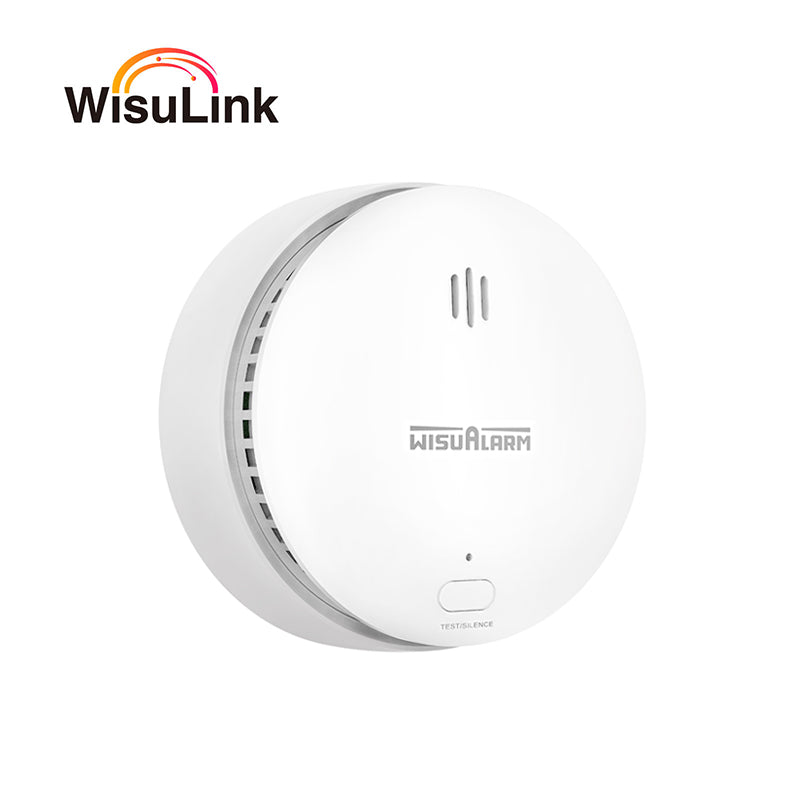
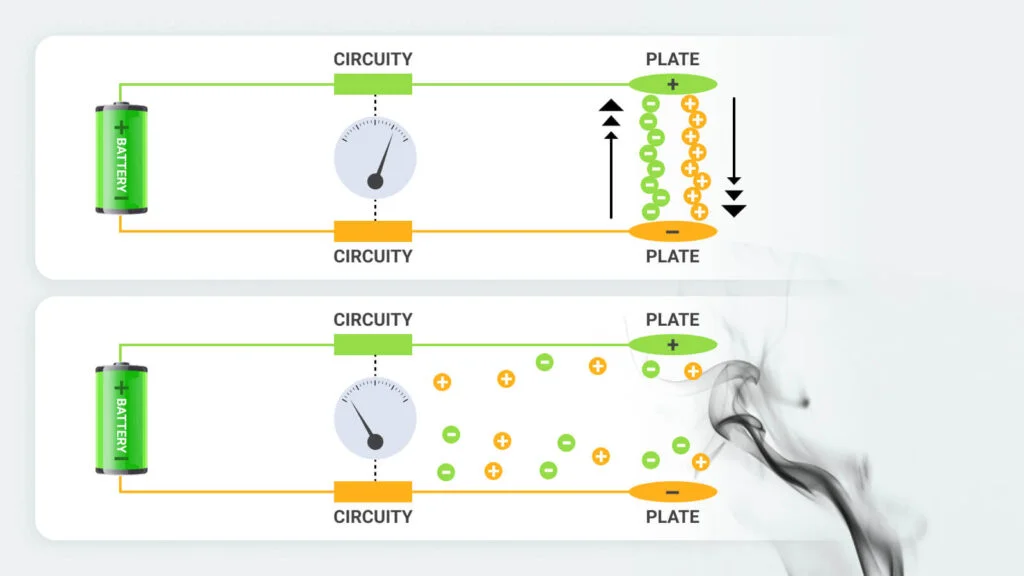
ionization smoke detectors employ a small amount of radioactive material to generate charged particles. These particles create an ionization current, which, when interrupted by smoke particles, causes the alarm to go off. Wisualarm's smoke detectors utilize photoelectric technology, which has proven to be highly effective in detecting various types of smoke.
Sensitivity
Photoelectric smoke detectors are known for their sensitivity to various types of smoke, including slow-burning and fast-spreading fires. They are particularly efficient at detecting smoke produced by smoldering fires, which tend to produce larger particles that scatter light more effectively. Conversely, ionization smoke detectors are more sensitive to fast-burning fires that release smaller, lighter smoke particles.
Wisualarm's photoelectric smoke detectors offer several advantages over other detection methods. Their sensitivity to smoldering fires, which tend to produce thicker smoke particles, helps detect fires at their earliest stages, giving occupants more time to evacuate safely.
False Alarm Rates:
Photoelectric smoke detectors generally have a lower false alarm rate compared to ionization detectors. Their reliance on scattered light makes them less prone to false alarms triggered by steam, cooking fumes, or other non-hazardous particles. Wisualarm's smoke alarm adpoted split-spectrum technoloy to reduce 99% false alarm caused by water vapor and dust.

Ionization detectors can be more susceptible to false alarms caused by normal cooking activities, humidity, or even dust particles in the air. Wisualarm's photoelectric smoke detectors are designed to significantly reduce false alarms triggered by non-hazardous particles such as steam or cooking fumes. Their focus on detecting smoke particles ensures a higher degree of accuracy and minimizes false alarms, offering homeowners a reliable fire detection system without unnecessary interruptions.
Safety Aspects:
While both types of smoke detectors are considered safe when installed and used correctly, it is worth noting that ionization detectors contain a small amount of radioactive material. The radiation emitted is minimal, but proper handling and disposal should be followed in accordance with local regulations. Photoelectric detectors, on the other hand, do not contain any radioactive material and are generally considered safer in this aspect.
Difference Between Photoelectric and Ionization Smoke Detectors
| Feature | Photoelectric Smoke Detector | Ionization Smoke Detector |
|---|---|---|
| Principle of Operation | Uses light beam and scattered light to detect smoke particles | Uses ionization current to detect smoke particles |
| Sensitivity | Highly sensitive to smoldering fires and larger smoke particles | Highly sensitive to fast-burning fires and smaller smoke particles |
| False Alarm Rate | Generally lower false alarm rate | Can be more prone to false alarms from normal activities like cooking or humidity |
| Safety Aspects | Does not contain radioactive material | Contains a small amount of radioactive material |
| Response Time | Prompt response to slow-burning fires | Prompt response to fast-spreading fires |
| Integration Options | Can be integrated with advanced home security systems | Can be integrated with advanced home security systems |
| Common Applications | Residential homes, living areas, and bedrooms | Commercial buildings, industrial environments, and areas with potential for rapid fire spread |
| Installation Considerations | Suitable for bedrooms and areas where slow-burning fires are a concern | Suitable for areas where fast-burning fires are a concern |
Choosing the right smoke detector for your home is crucial for fire safety. Photoelectric smoke detectors offer excellent sensitivity to a range of smoke types, with a lower false alarm rate. Ionization smoke detectors excel at detecting rapidly spreading fires. Ultimately, homeowners should consider the specific needs of their home environment and consult local fire safety guidelines when making their decision. Regular testing and maintenance of smoke detectors are essential for ensuring optimal performance and safeguarding lives.