
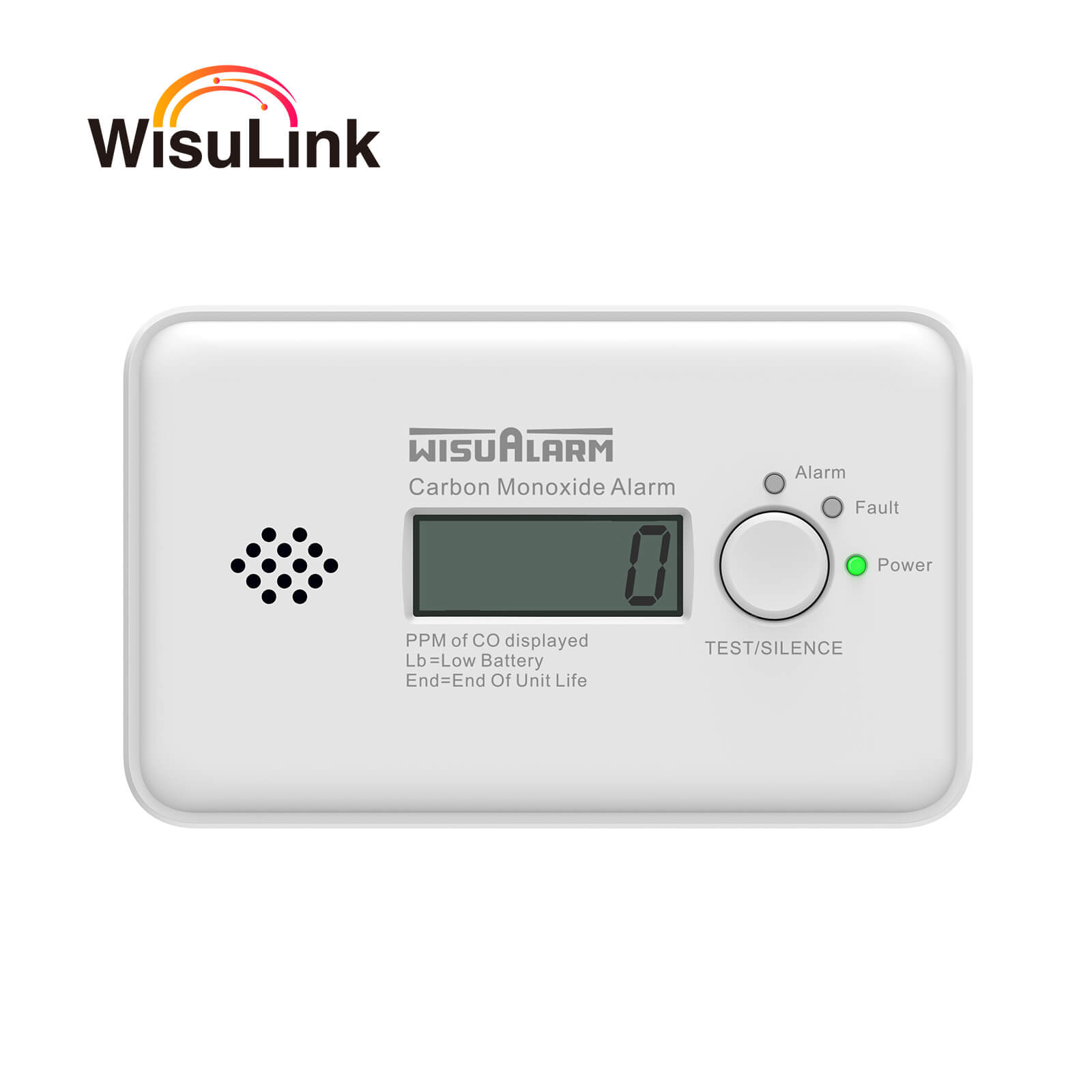


When it comes to home safety, we often focus on what we can see: flickering flames, rising smoke, or a broken window. However, one of the most lethal threats in a domestic environment is completely invisible, tasteless, and odorless. This is Carbon Monoxide (CO). Often referred to as the "Silent Killer," CO claims thousands of lives globally every year. To combat this threat, technology has provided us with the CO alarm. But not all alarms are created equal. In the European market, and specifically in Germany, the gold standard for reliability is often represented by one phrase: TÜV geprüft (TÜV-Certified).
In this comprehensive guide, we will explore the science of Carbon Monoxide, the rigorous standards behind TÜV certification, and why choosing a certified detector is the most important decision you can make for your family’s well-being.
1. Understanding the Enemy: What is Carbon Monoxide?
Carbon Monoxide is a byproduct of incomplete combustion. When fuels such as gas, oil, coal, or wood do not burn completely due to a lack of oxygen, CO is produced. Common sources in the home include:
-
Faulty gas boilers and furnaces.
-
Blocked chimneys or flues.
-
Wood-burning stoves and fireplaces.
-
Portable generators or gas heaters used indoors.
-
Attached garages where cars are left idling.
The danger of CO lies in its biology. When inhaled, CO molecules bind to the hemoglobin in your red blood cells 200 times more effectively than oxygen does. This effectively "starves" your vital organs—the brain and heart—of oxygen. Because you cannot see or smell it, you may fall asleep or lose consciousness before ever realizing there is a leak.
2. What Does "TÜV-Certified" Actually Mean?
In the world of safety engineering, TÜV (Technischer Überwachungsverein) stands as a beacon of trust. A TÜV-certified product hasn't just been "tested" by the manufacturer; it has been subjected to independent, third-party scrutiny by one of the most respected technical inspection associations in the world.
For a Carbon Monoxide detector to earn a TÜV mark (and meet the essential EN 50291 European standard), it must pass grueling tests:
-
Sensor Accuracy: Can the device detect low concentrations of CO (e.g., 50 ppm) consistently over a period of time without failing?
-
Alarm Volume: Is the siren loud enough (typically 85dB) to wake a sleeping person through a closed door?
-
Durability: Can the electronics withstand extreme humidity, temperature fluctuations, and the passage of time (up to 10 years)?
-
No False Positives: The device must be sophisticated enough to distinguish between lethal CO gas and common household vapors like hairspray or cleaning agents.
Choosing a "TÜV-Certified" detector means you aren't gambling on a cheap, unverified sensor. You are investing in a calibrated life-safety instrument.
3. The Crucial Standards: EN 50291-1 vs. EN 50291-2
When browsing for smart home safety, you will often see the code EN 50291. This is the specific European standard for electrical apparatus for the detection of carbon monoxide in domestic premises.
-
EN 50291-1: Covers standard household installations (houses and flats).
-
EN 50291-2: Covers "recreational" environments, such as caravans, motorhomes, and boats, where vibrations and movement might affect a lesser sensor.
A high-quality detector will prominently display these certifications, giving you peace of mind that it meets the legal safety requirements of the UK, Germany, France, and beyond.
4. Advanced Features of Modern CO Detectors
The industry has moved beyond the simple "beep." Modern, professional-grade CO detectors now offer features that enhance safety and convenience:
A. 10-Year Sealed Lithium Batteries
Traditional alarms required annual battery changes. A modern TÜV-certified unit often features a sealed-in lithium battery designed to last for the entire 10-year lifespan of the sensor. This eliminates the risk of a resident removing the battery to stop a low-battery chirp and forgetting to replace it.
B. Interlinked Systems
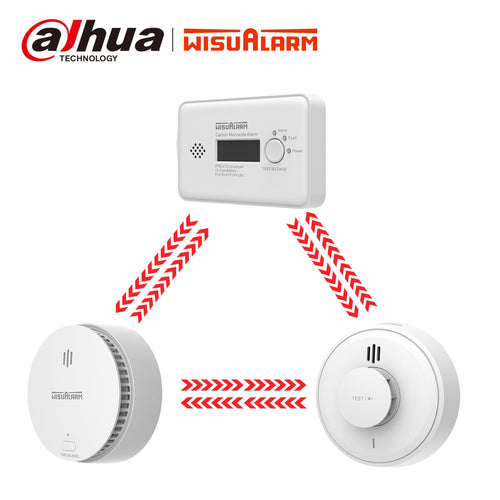
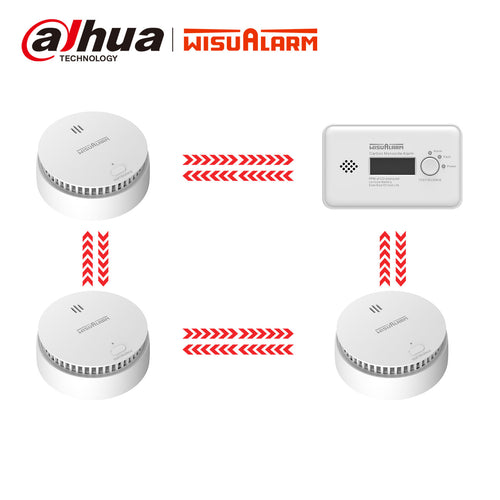
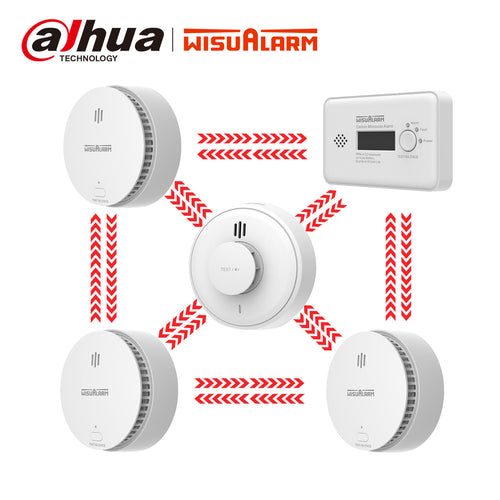
In a multi-storey home, a CO leak in the basement boiler room might not trigger an alarm loud enough to wake someone on the third floor. Interlinked technology solves this. If the basement unit detects gas, it sends a wireless signal to every alarm in the house, causing them all to sound simultaneously.
C. LCD Displays
Some premium models include an LCD screen that shows the "Peak Level" of CO detected. This is vital for medical professionals or gas engineers to see if there has been a slow, low-level leak over several days.
5. Strategic Placement: Where to Install CO Alarms
A certified alarm only works if it is placed correctly. Unlike smoke, which rises quickly to the ceiling, CO is slightly lighter than air and mixes evenly with the air in a room.
-
Near Sleep Areas: Within 3 to 5 meters of every bedroom door.
-
Near Fuel-Burning Appliances: At least 1 to 3 meters away from boilers or fireplaces to avoid "nuisance" alarms during initial ignition.
-
On Every Floor: Ensure protection is distributed throughout the home.
Wisualarm: Professional-Grade Carbon Monoxide Protection
At Wisualarm, we don't just sell detectors; we provide integrated safety solutions. Our Carbon Monoxide series is engineered to meet the highest European safety benchmarks, ensuring that your home is guarded by industry-leading technology.
Why choose Wisualarm CO Alarms?
-
Full Compliance: Our detectors are built to meet the rigorous BS EN 50291 standards, ensuring accurate and reliable detection of even trace amounts of CO.
-
10-Year Reliability: Our CO alarms feature a 10-year sensor and battery life, providing a decade of maintenance-free protection.
-
Smart Interconnection: Integrate your CO protection into a wider network. Our alarms can be interlinked with our smoke and heat detectors, so a threat anywhere is heard everywhere.
-
Elegant Design: We believe safety shouldn't be an eyesore. Our compact, modern designs fit seamlessly into any interior decor.
Whether you need a standalone unit for a small flat or a comprehensive interlinked bundle for a 3-storey house, Wisualarm has the certified technology you can trust.