


How ageing populations, independent living and accessible technology are reshaping home safety
Europe’s homes are changing.
For many years, home safety was mainly focused on preventing immediate risks — installing a smoke alarm, checking heating systems, and following basic fire safety guidance.
However, the way people live is evolving.
An ageing population, the rise of independent living, and the demand for more accessible technology are changing what a safe home should look like.
The question is no longer only:
“Can a home detect danger?”
It is becoming:
“Can everyone living in that home receive a warning and respond safely?”
As more people choose to remain independent in their own homes for longer, residential safety needs to become more inclusive, connected, and adaptable.

Why Is Ageing Changing the Way We Think About Home Safety?
Europe is experiencing a major demographic shift.
More older adults are choosing to stay in familiar homes and communities rather than move away from the places they know. This trend, often called ageing in place, is changing expectations around housing and safety.
A safe home is no longer only about preventing hazards.
It is also about supporting independence.
For many households, safety systems need to consider different lifestyles, abilities, and everyday situations.
The future of home safety is not only about protecting a building.
It is about protecting the people inside it.
Traditional Fire Safety Does Not Work for Every Household
Traditional smoke alarms have protected homes for decades.
However, many safety systems were designed around a simple assumption:
Everyone can hear the alarm, wake up quickly, and respond immediately.
Real households are different.
Some people may experience hearing difficulties, reduced mobility, or slower response times. Others may live alone, where receiving an emergency warning quickly becomes even more important.
This changes the way we think about residential safety.
The question is no longer only:
“Can the alarm detect smoke?”
It is:
“Can the warning reach everyone who needs it?”
Modern safety solutions need to consider different ways people receive alerts, including sound, visual signals, vibration alerts, and connected notifications.
How Is Accessibility Shaping the Future of Home Safety?
Accessibility is becoming an important part of modern safety design.
A home should not rely on one single way of communicating danger.
Different warning methods can help create a safer environment for more people:
- Audible alarms provide immediate sound-based warnings.
- Visual alerts support people who may not hear traditional alarms.
- Vibration alerts can provide additional support, especially during sleep.
- Connected notifications can help families or caregivers stay informed when appropriate.
This approach reflects a wider movement toward inclusive design across Europe — creating homes and technologies that support people throughout different stages of life.
Safety should adapt to people, not the other way around.
Why Are Connected Safety Systems Becoming More Important?
Modern homes are becoming increasingly connected.
Smart devices, energy systems, and connected appliances are changing how people interact with their homes. Safety technology is evolving alongside these changes.
The future of residential protection is moving from individual devices toward connected safety systems.
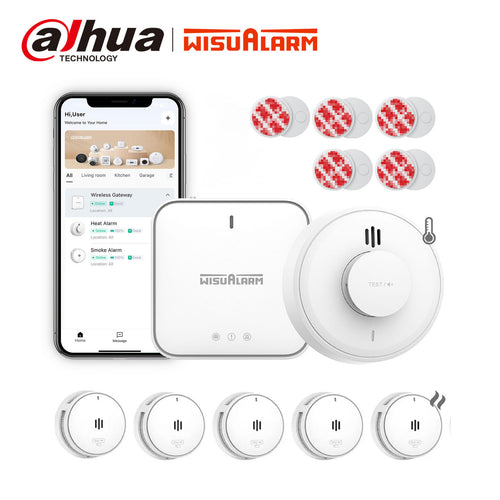
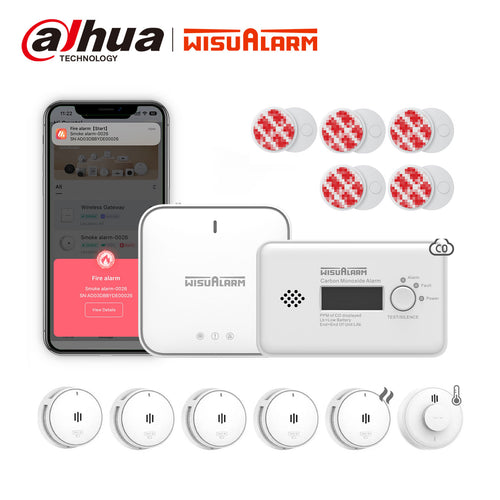
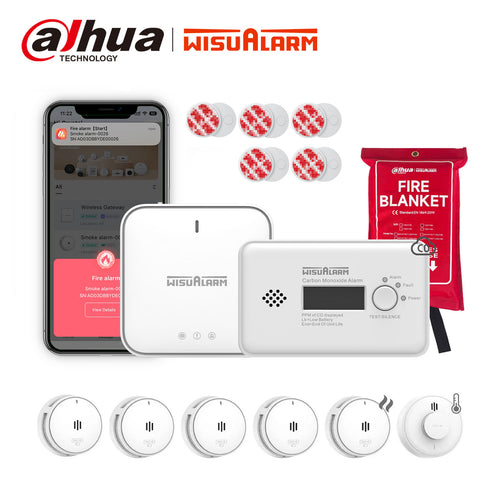
Instead of relying on a single alarm, homeowners can create a broader protection approach using:
- Interconnected smoke alarms
- Carbon monoxide alarms
- Heat alarms
- Smart gateways
- Remote notifications
Industry organisations such as Euralarm have highlighted the growing importance of connected technologies and digital transformation within fire safety.
The goal of connected safety is not to make homes more complicated.
It is to make protection more reliable and easier to manage.
Building Homes That Protect Every Generation
The future home will need to support more diverse households.
It must consider:
- Older adults living independently
- Multi-generational families
- People with different accessibility needs
- Changing lifestyles and technologies
A truly modern home is not only smart or energy efficient.
It is also:
Accessible. Reliable. Protective.
As Europe’s population changes, home safety must evolve too.
Because the safest home is not simply the one with the most technology.
It is the one where technology works for everyone.
FAQ: Ageing Population and Home Safety
Why is home safety becoming more important for older adults?
As more people choose to live independently for longer, homes need safety solutions that support different abilities and provide reliable protection.
How can smoke alarms become more accessible?
Accessible safety solutions can include visual alerts, vibration alerts, interconnected alarms, and connected notifications.
Why are interconnected alarms useful in modern homes?
Interconnected alarms allow multiple devices to communicate and provide warnings throughout a property, helping improve overall home protection.