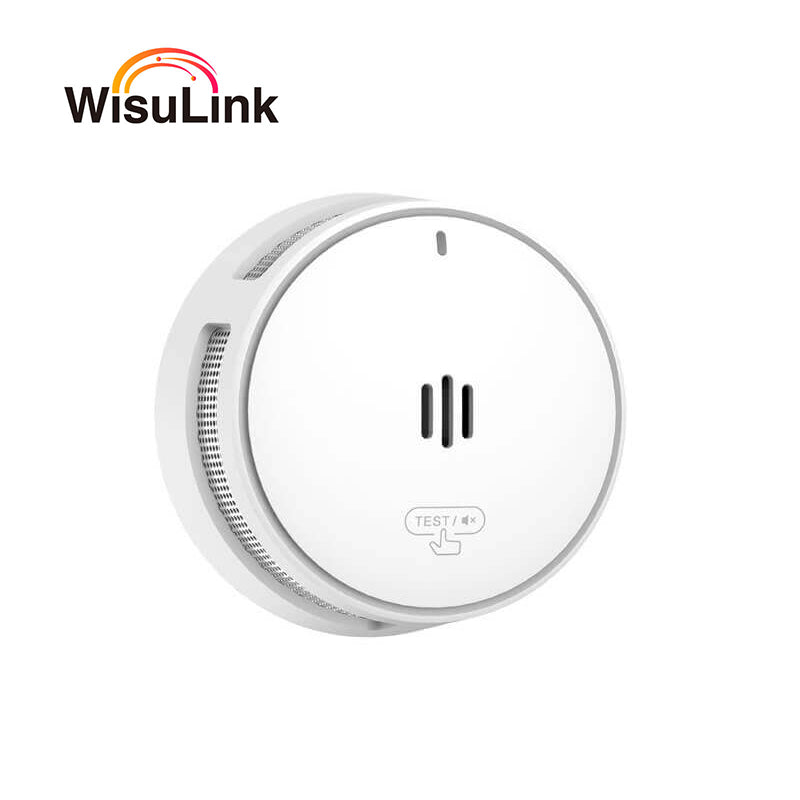
86.6 mm × 86.6 mm × 29.2 mm (3.41" × 3.41"× 1.15")
86.6 mm × 86.6 mm × 29.2 mm (3.41" × 3.41"× 1.15")
Certyfikat
CE, EN50194
CE, EN50194
Często zadawane pytania
Często zadawane pytania
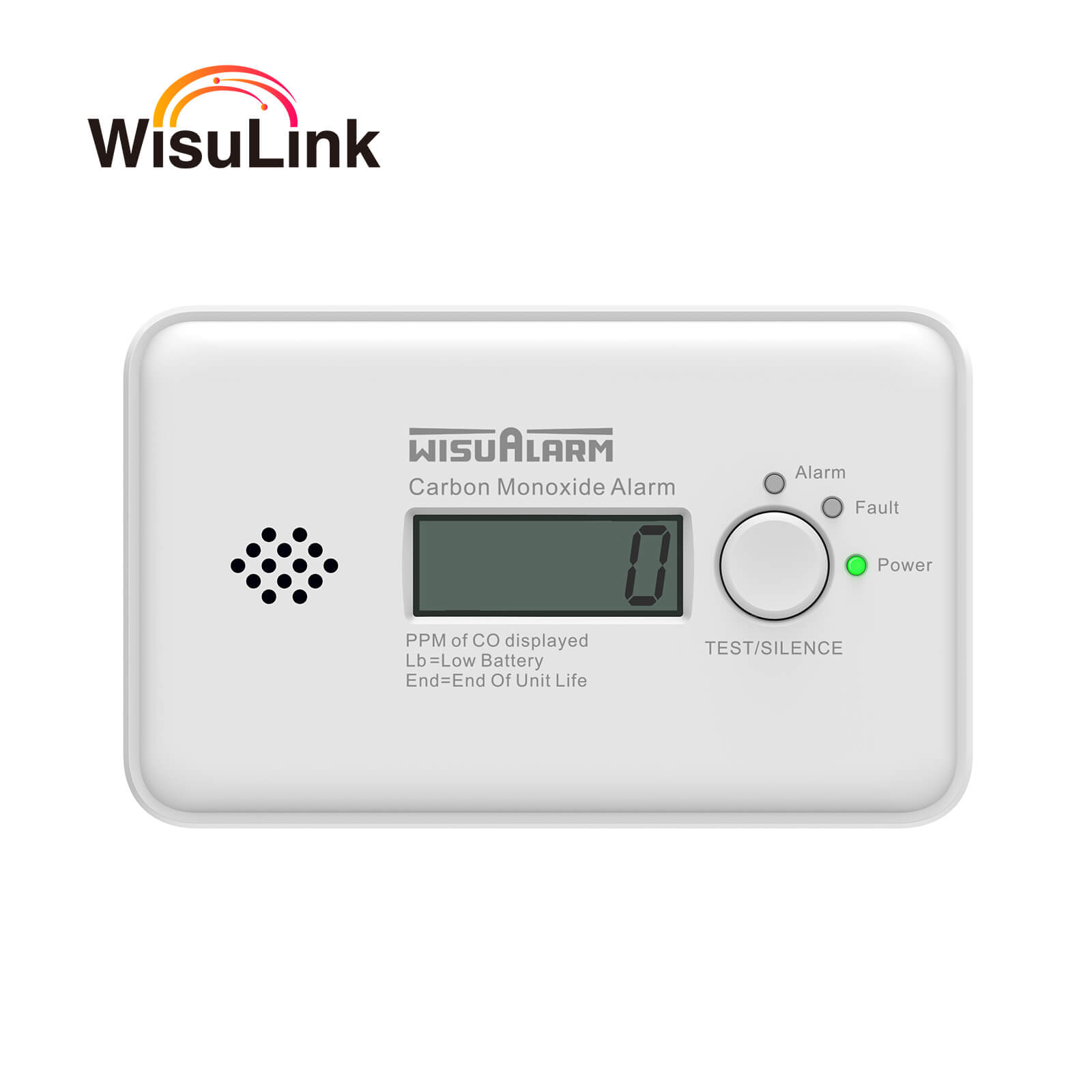
Czy alarm gazowy to to samo, co alarm tlenku węgla?
Nie, alarm gazowy i alarm tlenku węgla to nie to samo. Alarm gazowy wykrywa różne gazy, w tym gaz ziemny i propan. Ostrzega o potencjalnych wyciekach i pomaga zapobiegać wypadkom. Z drugiej strony alarm tlenku węgla wykrywa konkretnie bezwonny i bezbarwny gaz, który może powstawać podczas spalania paliw. Jest on zaprojektowany w celu ochrony przed zatruciem tlenkiem węgla, które może być śmiertelne. Chociaż oba alarmy koncentrują się na bezpieczeństwie, służą różnym celom.
Gdzie należy umieścić alarm gazowy?
Alarm gazowy powinien być zainstalowany w miejscach, w których znajdują się urządzenia lub rury gazowe, takie jak w pobliżu kuchenek gazowych, podgrzewaczy wody lub pieców. Zaleca się również umieszczenie alarmu gazowego w pobliżu potencjalnych źródeł wycieków gazu, takich jak piwnice lub pomieszczenia gospodarcze. Ważne jest, aby postępować zgodnie z instrukcjami producenta dotyczącymi prawidłowego umieszczenia i zapewnić maksymalną skuteczność wykrywania wycieków gazu.
Jak często należy testować i konserwować alarmy gazowe?
Alarmy gazowe powinny być regularnie testowane, aby upewnić się, że działają prawidłowo. Ogólnie zaleca się testowanie ich co najmniej raz w miesiącu poprzez naciśnięcie przycisku testowego. Ponadto ważne jest, aby utrzymywać alarmy gazowe w czystości i bez kurzu lub zanieczyszczeń.
Czy alarmy gazowe w Europie spełniają normy bezpieczeństwa?
Tak, wszystkie nasze alarmy gazowe posiadają certyfikat CE i są zgodne z europejskimi normami rynkowymi, dzięki czemu możesz je kupować i używać bez obaw.
Why Are European Homeowners Rethinking Their Smoke Alarms? Many European homes already have traditional smoke alarms installed. The question for many homeowners is no longer whether they need a smoke...
In recent months, European fire safety discussions have increasingly focused on smarter residential detection systems, driven by updates and guidance trends from organizations such as Euralarm, Kiwa, and publications like...
As modern living spaces across Europe evolve, the standard for residential safety is shifting. Today’s energy-efficient homes, characterized by open-plan layouts, integrated heating systems, and high electrical dependency, present a...
In Europe, smoke alarms are no longer seen as simple standalone devices installed on the ceiling. Homeowners, landlords, and installers are increasingly adopting connected home safety systems, where multiple devices...
When you browse home safety forums like r/homeowners or r/HomeImprovement, you’ll often find users venting about "chirping" detectors or false alarms during dinner prep. For many, a smoke alarm or carbon...
When designing safety frameworks for mobile living spaces, overlanding rigs, or remote off-grid campsites across Europe, traditional smart security architecture hits a major bottleneck: energy and connectivity dependencies. Standard Wi-Fi-based...
When it comes to protecting your home and family, there is no room for compromise. In Europe, fire safety is governed by rigorous standards designed to ensure that every household...
Fire protection has changed drastically in recent years. What began as a simple, loud beeper on the ceiling has evolved into a highly complex, life-saving network. While smoke alarm requirements...
In Germany, the concept of Brandschutz (fire protection) is deeply ingrained in both public consciousness and strict building regulations. Whether you live in a modern Neubau apartment in Berlin or...
Czy mogę Ci pomóc, czy wolisz skorzystać z porady eksperta?