


In recent months, European fire safety discussions have increasingly focused on smarter residential detection systems, driven by updates and guidance trends from organizations such as Euralarm, Kiwa, and publications like International Fire Protection (IFP) Magazine.
A recurring topic across the industry is a common misunderstanding in households:
Smoke and carbon monoxide are often treated as similar hazards — but they behave completely differently in indoor environments.
This misunderstanding directly affects alarm placement, system design, and overall home safety performance.
1. Smoke vs Carbon Monoxide: Core Differences
Fundamental Behaviour Difference
| Feature | Smoke | Carbon Monoxide (CO) |
|---|---|---|
| Physical form | Particles | Gas |
| Visibility | Visible | Invisible |
| Smell | Often detectable | Odourless |
| Indoor movement | Rises due to heat | Mixes evenly in air |
| Detection logic | Ceiling-based detection | Breathing-level exposure risk |
Industry Note
According to technical discussions summarized in Kiwa certification guidance on EN 14604 testing principles, smoke detection is optimized for particle accumulation at elevated zones, while CO detection relies on gas concentration across room air volume.
This difference is fundamental in European certification frameworks.
2. How Carbon Monoxide Spreads Indoors
Recent safety education materials referenced in Euralarm awareness publications (2024–2025 updates) emphasize that carbon monoxide does not behave like smoke or heat-driven particles.
CO is:
- Invisible and odourless
- Not affected by gravity
- Distributed evenly in indoor air
- Influenced mainly by ventilation and airflow patterns
Key implication:
Carbon monoxide exposure risk is not tied to ceiling or floor level, but to breathing zone concentration anywhere in the room.
Industry Interpretation
As noted in International Fire Protection (IFP) Magazine coverage on residential gas detection trends:
Modern safety design increasingly prioritizes “room-wide gas distribution awareness” rather than point-based detection assumptions.
This shift supports the growing adoption of multi-sensor and interlinked systems.
3. Why Smoke and CO Cannot Share One Detection Logic
Smoke and carbon monoxide require different sensing principles:
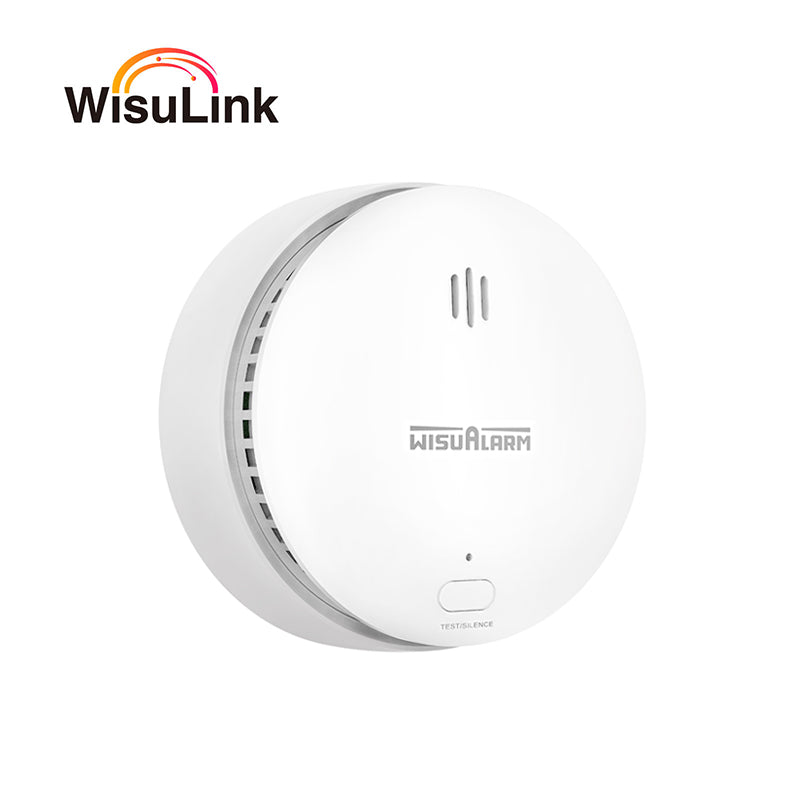
- Smoke alarms detect particulate matter
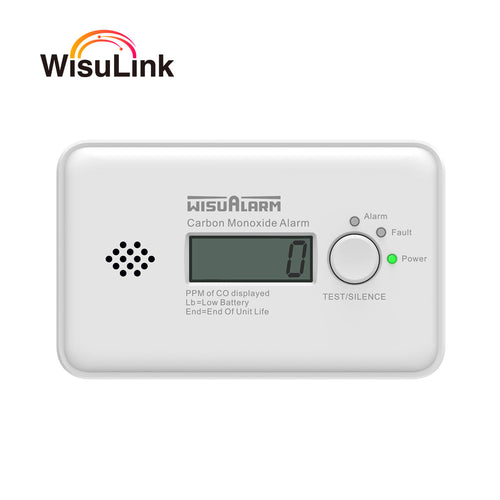
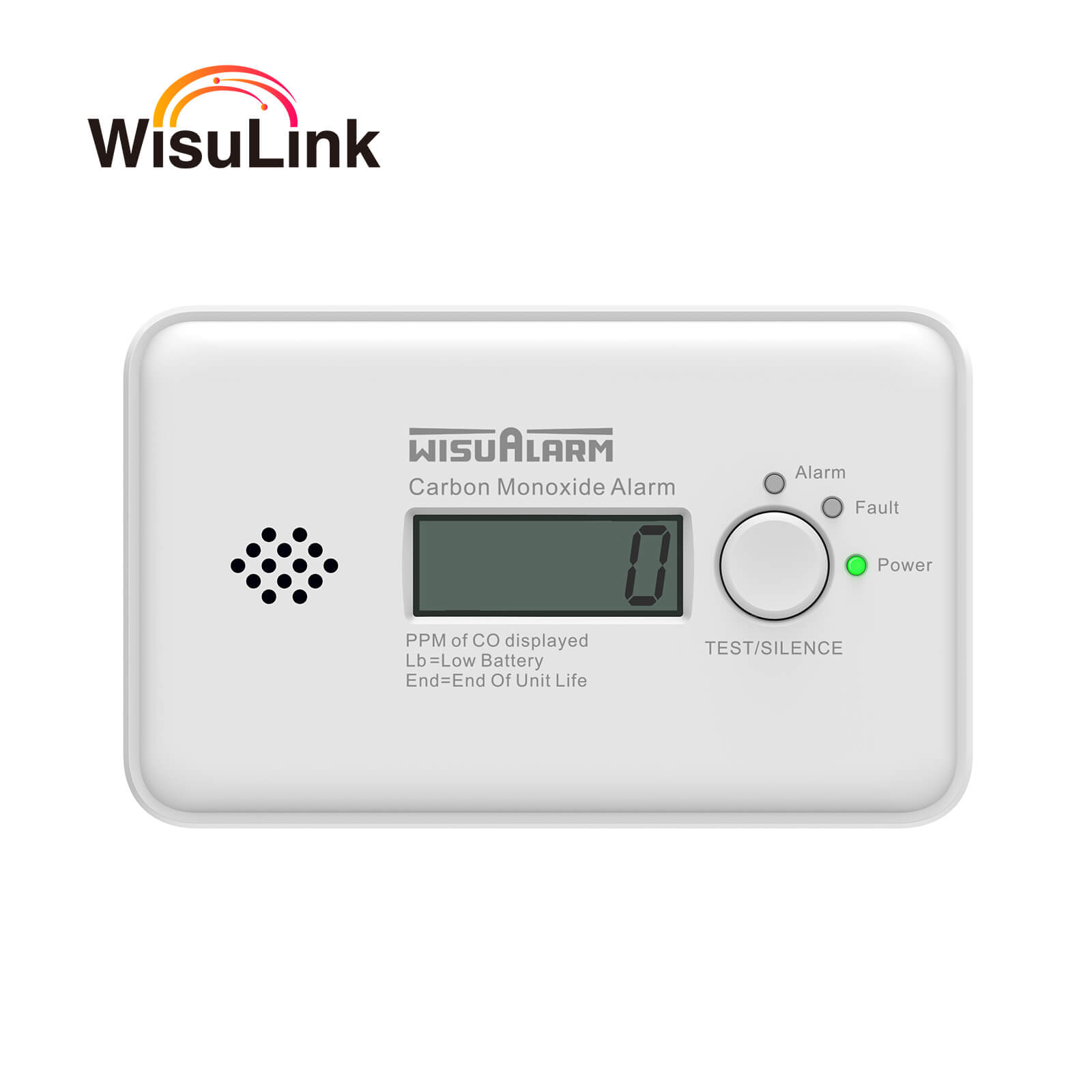
- CO alarms detect gas concentration levels
Because of this:
- A smoke alarm may not respond to CO presence
- A CO alarm does not respond to smoke particles
Conclusion:
One device type cannot fully replace the other in residential safety design.
4. European Trend: From Standalone to Connected Safety Systems
Across European markets, recent safety discussions (including EuroFSA awareness campaigns and industry commentary from Euralarm) highlight a clear trend:
Home safety is shifting from single-device protection to system-based detection networks.
5. From Detection to Smart Safety Ecosystem
European fire safety innovation is increasingly moving toward connected ecosystems, as discussed in industry publications such as International Fire Protection (IFP) Magazine.
Key direction includes:
- Smoke detection
- Carbon monoxide detection
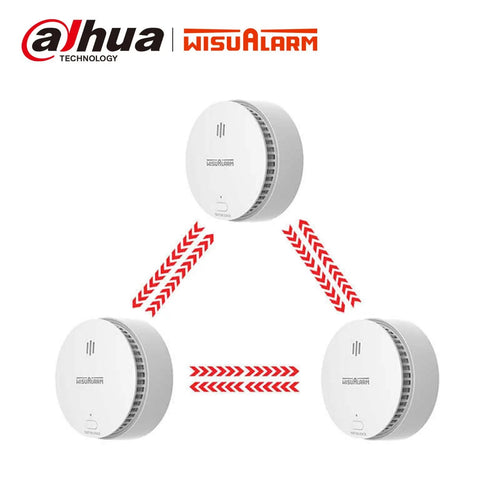
- Interlinked alarm communication
- Gateway-based smart alerts
Conclusion
Smoke and carbon monoxide are fundamentally different hazards in both physical behavior and detection logic.
Based on current European industry direction:
- Smoke requires particle-based detection
- CO requires gas-based distributed awareness
- Modern homes benefit from interlinked or smart systems
❓ FAQ
Q1: Does carbon monoxide rise like smoke?
No. CO does not rise or sink. It mixes evenly in indoor air and spreads with ventilation airflow.
Q2: Why is CO detection different from smoke detection?
Smoke detection relies on particle accumulation, while CO detection is based on gas concentration across the air volume.
Q3: Can one alarm detect both smoke and carbon monoxide?
No. They use different sensing technologies and cannot replace each other.
Q4: What is the benefit of interlinked alarm systems?
They ensure that when one alarm is triggered, all alarms in the home activate simultaneously, improving awareness and response time.
Q5: Are European safety standards moving toward smart systems?
Yes. Industry discussions from organizations such as Euralarm and publications like IFP Magazine indicate a clear trend toward connected and system-based residential safety solutions.