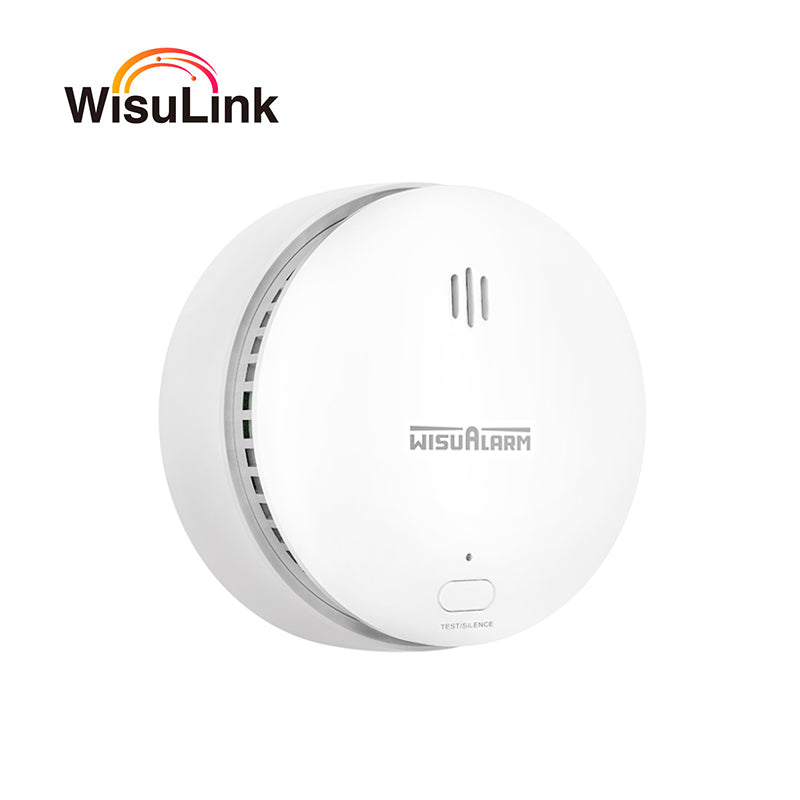
Alarmas de humo, calor y monóxido de carbono interconectadas (3 piezas)
Comprehensive Safety Kit
Pre-connected Set
Link up to 24 Devices
Simple Installation
€79.99
Precio habitual
€89.99
Precio de venta
Precio unitario/ por
Sale
28%OFF
SKU: BD-2S1C1H-R8-NEW
4 alarmas interconectadas de humo & CO & calor
Wireless Interconnected
Battery powered
5 years warrantty
CE Certified
€99.99
Precio habitual
€139.99
Precio de venta
Precio unitario/ por
Sale
20%OFF
SKU: BD-3S1C-R8-NEW
Detectores de humo y monóxido de carbono interconectados (4 unidades)
Connect to 24 Devices
1000m Radio Signal Range
Wireless Interconnected Kit
5 Years Warranty
€79.99
Precio habitual
€99.99
Precio de venta
Precio unitario/ por
Sale
7%OFF
SKU: KIT1-3S1C1H-R8
Alarmas interconectadas de humo, calor y monóxido de carbono (5 piezas)
Comprehensive Safety Kit
Wireless Interconnected
Powered with 10 Years Batteries
5 Years Warranty
€119.99
Precio habitual
€129.99
Precio de venta
Precio unitario/ por
Sale
SKU: BD-1G5S1C1H-R8
Gateway & alarma de humo, CO & calor
Multiple Detection Devices
Smart Home Security
Human Voice Broadcasting
Ultra Loud Sound
€159.99
Precio habitual
€179.99
Precio de venta
Precio unitario/ por
Sale
28%OFF
SKU: BD-4S1C1H-R8-NEW
6 alarmas interconectadas de humo & CO & calor
Wireless Interconnected
Battery powered
5 years warrantty
CE Certified
€129.99
Precio habitual
€139.99
Precio de venta
Precio unitario/ por
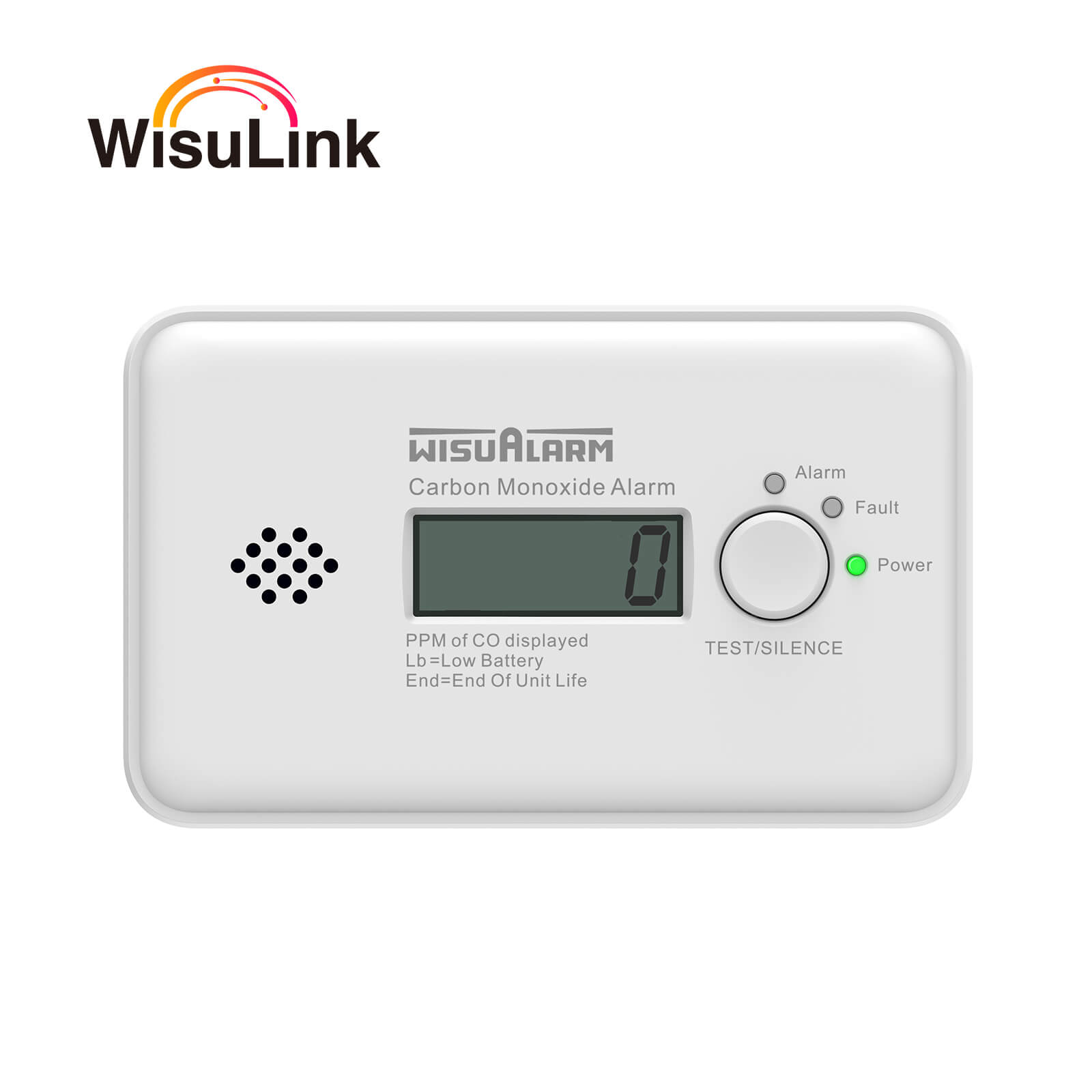
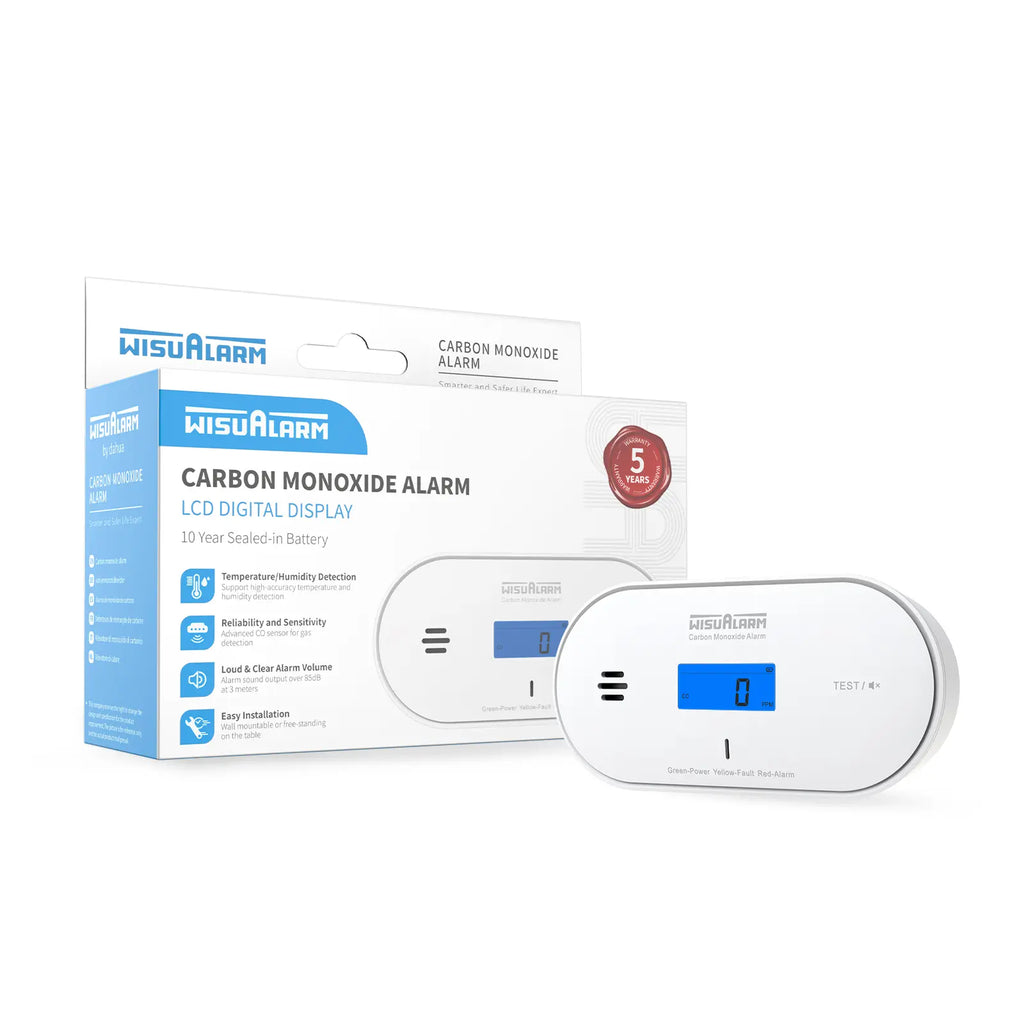
Carbon Monoxide Alarm
Key features of the WISUALARM carbon monoxide alarm include a clear digital display that shows real-time CO levels, allowing you to monitor your environment easily. The alarm is equipped with a loud alert system to ensure you can hear the warning, even from a distance. With a battery backup, it guarantees continued operation during power outages, making it a reliable choice for home safety.
Need a Shopping Assistant?
Simplify your shopping experience with our expert Buying Guide!
Carbon monoxide is a colorless, odorless gas that is produced by the incomplete combustion of carbon-containing fuels. It is often referred to as the "silent killer" because it is virtually undetectable without the use of specialized equipment.
Sources of carbon monoxide
Common sources of carbon monoxide include vehicles, gas-powered appliances, fireplaces, and generators. When these sources are not properly ventilated or maintained, they can produce dangerous levels of carbon monoxide.
Symptoms of carbon monoxide poisoning
The symptoms of carbon monoxide poisoning can vary depending on the level of exposure. Mild symptoms may include headache, dizziness, and fatigue, while more severe symptoms can include confusion, chest pain, and loss of consciousness. It is important to seek medical attention immediately if carbon monoxide poisoning is suspected.
How do I know if carbon monoxide is present?
Poisoning is measured in a range called parts per million (ppm). This carbon monoxide alarm monitors the level of carbon monoxide (CO) in the air. If the carbon monoxide concentration is too high, the detector sounds a loud alarm. When the alarm sounds, warn all household members, go outside immediately and call 112.
How does a carbon monoxide alarm prevent CO poisoning?
By detecting the presence of carbon monoxide in the air, a carbon monoxide alarm can alert you to a potential danger before you even realize it. CO poisoning can be fatal, as the gas can quickly build up in enclosed spaces and displace oxygen in the bloodstream. Without a carbon monoxide alarm, you may not be aware of the danger until it is too late. With a properly functioning alarm, you can take action to ventilate the area, evacuate the building, and seek medical attention if necessary.
Where should carbon monoxide detectors be installed?
Carbon monoxide detectors should be installed on every level of your home, including basements and near sleeping areas for maximum protection. It's essential to place them in common areas where people spend time, while ensuring they are at least 15 to 20 feet away from fuel-burning appliances to avoid false alarms. Mount detectors 5 to 6 feet above the floor on walls, or at least 12 inches from walls on ceilings. Additionally, avoid locations prone to drafts, such as near doors and windows, to ensure accurate readings and effective monitoring of carbon monoxide levels.
Can Carbon Monoxide Detectors Detect Gas Leaks?
No, carbon monoxide detectors are not designed to detect gas leaks. They are specifically made to detect carbon monoxide (CO), which is a colorless, odorless gas produced by incomplete combustion of fuels.Gas leaks, on the other hand, usually involve natural gas (primarily methane) or propane, which are different types of gases. For detecting gas leaks, you would need a dedicated natural gas or propane gas detector. These devices are designed to sense the presence of flammable gases and alert you to potential leaks.While both types of detectors are important for home safety, it's essential to have the right type of detector for the specific hazard you are monitoring.
How often should carbon monoxide detectors be replaced and tested?
Carbon monoxide detectors should typically be tested once a month to ensure they are functioning properly. Additionally, it is recommended to replace carbon monoxide detectors every 8 to 10 years, depending on the manufacturer's instructions. Regular testing and timely replacement are crucial for maintaining safety and ensuring that the detectors can effectively detect carbon monoxide in your home. Always refer to the user manual for specific guidelines related to your particular model.
En France, chaque logement doit être équipé d'au moins un détecteur avertisseur autonome de fumée (DAAF), qu'il s'agisse d'une maison ou d'un appartement. Le détecteur doit repérer rapidement la fumée...
Rauchmelder sind inzwischen in allen 16 Bundesländern vorgeschrieben. Doch eine aktuelle Umfrage zeigt, dass viele Haushalte die geltenden Anforderungen noch nicht vollständig erfüllen. Eine INNOFACT-Umfrage unter 2.092 Hauseigentümern im Auftrag...
Depuis le 8 janvier 2026, le nouveau règlement européen sur les produits de construction, le RPC (UE) 2024/3110, est applicable. Ce texte renouvelle progressivement le cadre européen qui encadre la...
A supermarket refrigerator is supposed to keep food cold. But what happens when the system controlling it is remotely manipulated? In November 2026, a series of cyberattacks targeting supermarket refrigeration...
Le détecteur de monoxyde de carbone (CO) pourrait-il devenir obligatoire dans les logements français ? La question revient dans l'actualité depuis le dépôt d'une nouvelle proposition de loi au Sénat,...
Rauchmelder gehören in vielen deutschen Wohnungen seit Jahren zur Grundausstattung. Nach der Installation geraten sie jedoch leicht in Vergessenheit – besonders dann, wenn sie regelmäßig funktionieren und keine Warnsignale abgeben....
Un équipement connecté peut fonctionner parfaitement pendant des années, puis perdre certaines de ses fonctionnalités parce que le réseau dont il dépend disparaît. C’est l’un des enjeux soulevés par la...
Warum barrierefreie Rauchwarnung im Pflegebereich wichtig ist Ein Rauchalarm ist nur dann hilfreich, wenn er rechtzeitig wahrgenommen wird. Für Menschen mit Hörbeeinträchtigung kann ein herkömmliches akustisches Warnsignal allein nicht ausreichen....
L’arrêt progressif de la 2G en France en 2026 soulève une question importante : votre système d’alarme continuera-t-il à fonctionner après la fermeture du réseau ? La réponse dépend de...