



As temperatures drop to their lowest in January, we all retreat into the warmth and comfort of our homes. But while we shield ourselves from the frost, an invisible danger often lurks: Carbon Monoxide (CO).
In January, emergency services across Europe see a statistically significant spike in call-outs due to CO poisoning. But why is the risk so high right now, and why does this danger so often go unnoticed?
The Invisible Danger: "The Silent Killer"
Carbon Monoxide is colourless and odourless. You cannot see it, smell it, or taste it. It is produced by the incomplete combustion of carbon-based fuels such as gas, oil, wood, or coal. In modern homes—where "energy saving" and "air-tight insulation" are high priorities—specific risks emerge that every homeowner should know.
Why January is a High-Risk Month:
1. Maximum Strain on Heating Systems
In January, gas boilers and oil heating systems run around the clock. Many systems, especially in older buildings, are not optimally maintained. A dirty burner or a defect in the flue pipe can prevent CO from escaping through the chimney, forcing it back into your living spaces instead.
2. The Trend of Cosy Fireside Evenings
Wood-burning stoves and fireplaces are more popular than ever. However, caution is advised: during extreme cold, a phenomenon known as temperature inversion can occur. Cold air layers act like a "lid" over the chimney, preventing exhaust gases from escaping and pushing them back into the living room. Additionally, chimneys blocked by soot or debris after the first few months of the heating season are a common January problem.
3. "Air-tight" Homes and Poor Ventilation
Modern insulation is excellent for retaining heat, but it also seals air in. To save on heating costs, many people ventilate less frequently in January or seal up trickle vents. If a fireplace and a powerful kitchen extractor hood are running simultaneously, a vacuum effect can be created, sucking deadly carbon monoxide out of the stove and directly into the room.
4. Dangerous Alternatives During Extreme Cold
Occasionally, during extreme frost or heating failures, people resort to risky makeshift solutions: patio heaters, gas radiant heaters, or even charcoal grills used indoors. This is life-threatening and leads to a lethal CO concentration within a very short time.
Recognizing the Symptoms
CO poisoning often feels like an oncoming flu: headaches, nausea, dizziness, and fatigue. If these symptoms improve as soon as you leave the house, all alarm bells should ring.
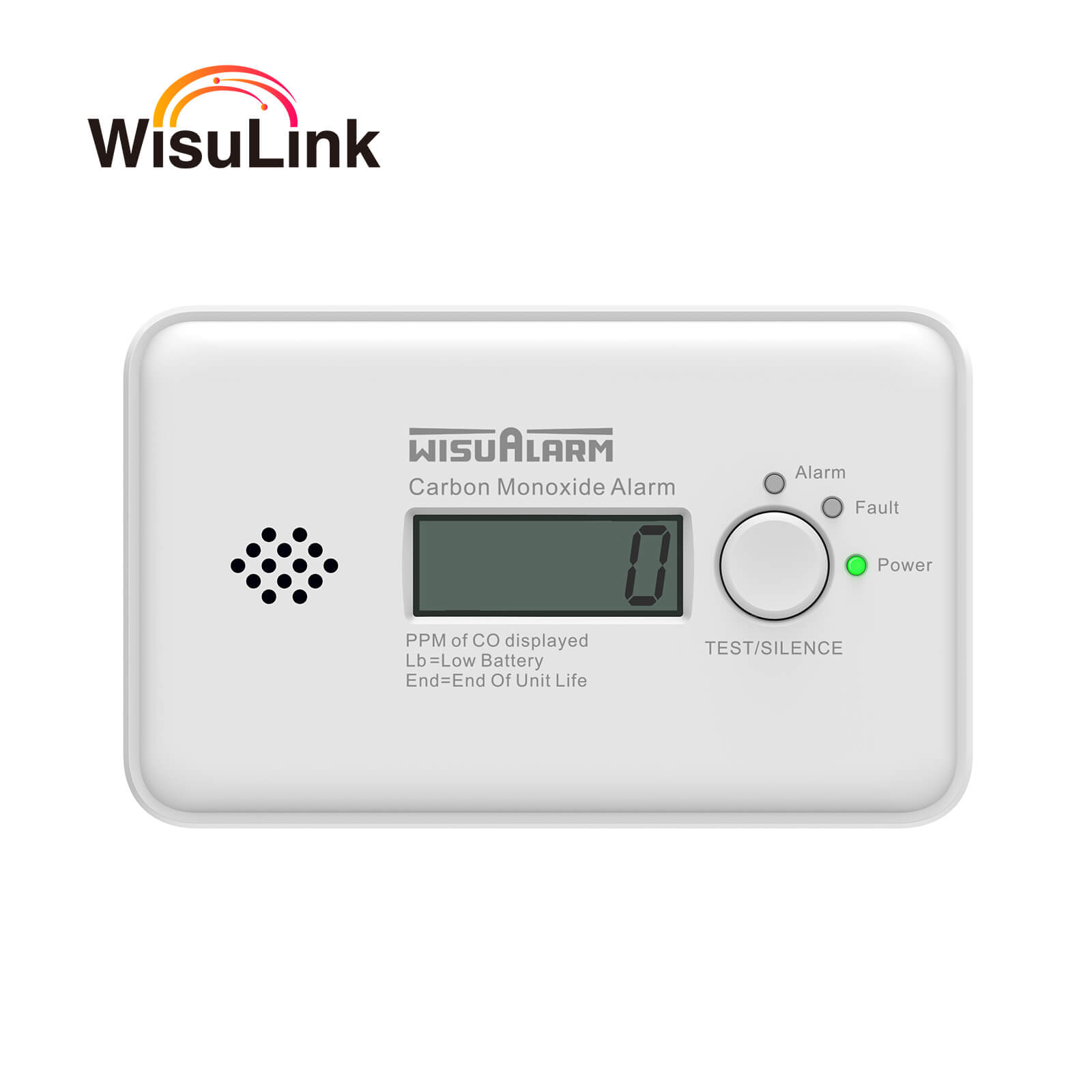
Protect Your Home with Wisualarm

Don’t leave your safety to chance; rely on certified technology. A Carbon Monoxide alarm is the only life-saver capable of detecting this silent danger before it is too late.
Wisualarm CO Detectors offer you the highest level of safety:
-
Precision Sensors: Our detectors identify the smallest CO concentrations long before symptoms appear.
-
10-Year Battery Life: Install once and stay protected for a decade—with no annoying battery changes.
-
Certified Safety: Our devices comply with strict European standards (EN 50291), the benchmark for reliability that consumers trust.
-
Modern Design: Compact and discreet, the Wisualarm detector fits seamlessly into any living room or bedroom.
Ensure your cosy winter evenings stay safe. Have your heating system serviced regularly and install a Wisualarm Carbon Monoxide detector today.