


Carbon monoxide (CO) is a silent, odorless, and deadly gas—so your CO detector is one of the most critical safety tools across any enclosed environment.
This is true whether monitoring your stationary family home or traveling off-grid in a mobile campervan, caravan, or recreational vehicle where unvented diesel heaters, portable cooking stoves, and fuel-powered generators present heightened environmental risks.
But when its red light starts flashing, it’s easy to panic: Is it a gas leak? A faulty device? Or just a routine alert? Understanding what different red flashing patterns mean can help you act quickly and keep your family safe across both domestic and mobile travel applications.
Why Is My Carbon Monoxide Detector Flashing Red?
Not all red flashes are emergencies—but every single visual signal deserves immediate technical attention. Here’s how to decode the operational signals (note: precise diagnostic patterns may vary by brand, so always verify with your user manual first):
1. Rapid Red Flashing + Loud Alarm (Emergency!)
If your detector flashes quick, bright red lights and emits a loud, continuous beep (usually 4 beeps every 5 seconds), this is an active CO alert. It means dangerous levels of carbon monoxide have been detected—act immediately:
- Evacuate everyone (including pets) from the premises at once.
- Open windows and doors to ventilate as you leave, but don’t stop to turn on electric fans (electrical devices could spark if gas levels are extremely high).
- Once outside, call emergency services (911 in the U.S., 112 in Europe) and your gas utility company to inspect for leaks.
- Mobile Vehicle Action: In a campsite or campervan setup, immediately isolate gas canisters, external cylinders, and fuel lines from the vehicle exterior.
- The Confined Space Risk: Do not re-enter your home or mobile vehicle until a professional confirms it’s safe. Because campervans represent low-volume, tightly confined spaces, toxic gas accumulation reaches lethal concentrations far more rapidly than in a spacious domestic room.
2. Slow Red Flashing (Normal Operation or Low Battery)
A slow, steady red flash (once every 30–60 seconds) typically falls into two distinct categories:
- Normal Status: Many detectors flash slowly to indicate they’re powered on and working correctly. This is a “good” flash—your device is monitoring for CO 24/7.
- Transit Verification: In travel safety applications, this consistent standby pulse confirms that the sensor calibration remains stable and active after road transit.
- Low Battery Warning: If the slow flash is accompanied by a short beep (e.g., once per minute), it’s time to replace the battery. A dead battery means your detector won’t alert you to dangers. Replace with high-quality batteries (alkaline or lithium, as recommended by the manufacturer) and test the device afterward.
- Off-Grid Power Tip: For camping configurations where power access is limited, deploying hardware equipped with 10-year sealed lithium cells removes low-voltage maintenance completely during long journeys.
3. Intermittent Red Flashing + Beeping (Fault or End of Life)
If the red light flashes on and off at irregular intervals (e.g., 3 flashes, pause, repeat) with beeps, this usually signals an internal hardware issue:
- Sensor Malfunction: The CO sensor may be damaged or contaminated (e.g., by dust, humidity, or paint fumes). Clean the detector gently with a soft brush, then test it using the “test” button.
- The Road Vibration Variable: In mobile campervan environments, a recurring fault code is frequently triggered by road vibrations, dust grit, or rapid outdoor temperature swings if the device is not certified under mobile travel frameworks.
- End of Service Life: Most CO detectors have a lifespan of 5–10 years (check the manufacturer’s label for the expiration date). After this period, the electrochemical sensing element naturally degrades and can no longer detect CO reliably. Replace it immediately.
Common CO Detector Issues (Beyond Flashing Red Lights)
While a red flash is the most noticeable alert, other technical problems can compromise your detector’s performance. Here are quick fixes for frequent issues:
- False Alarms: If your detector alarms without reason, it may be installed near sources of combustion (e.g., gas stoves, fireplaces, garages, or vehicle exhausts). Move the detector at least 10 feet away from these areas to minimize interference.
- No Power/No Light: If the detector doesn’t light up at all, check the battery (or hardwiring, for plug-in models). Ensure the battery is inserted correctly, or reset the circuit breaker for hardwired devices.
- Unresponsive Test Button: Press and hold the test button for 5–10 seconds (not just a quick tap). If the alarm doesn’t sound, replace the battery or the detector itself.
- Travel Safety Protocol: Routine testing should be executed monthly at home, and consistently before departing on any recreational road trip.
Selecting the Right Protection Framework
Achieving comprehensive safety relies heavily on matching the hardware specifications to your exact operational environment:
- Residential Standards (EN 50291-1): Certified specifically for stable, stationary domestic properties to monitor ambient gas accumulation in large rooms.
- Mobile Travel Safety (EN 50291-2): Rigorously engineered for campervans, caravans, and outdoor camping to withstand continuous structural vibrations, mechanical shock, and severe temperature fluctuations without triggering false alarms or sensor drift.
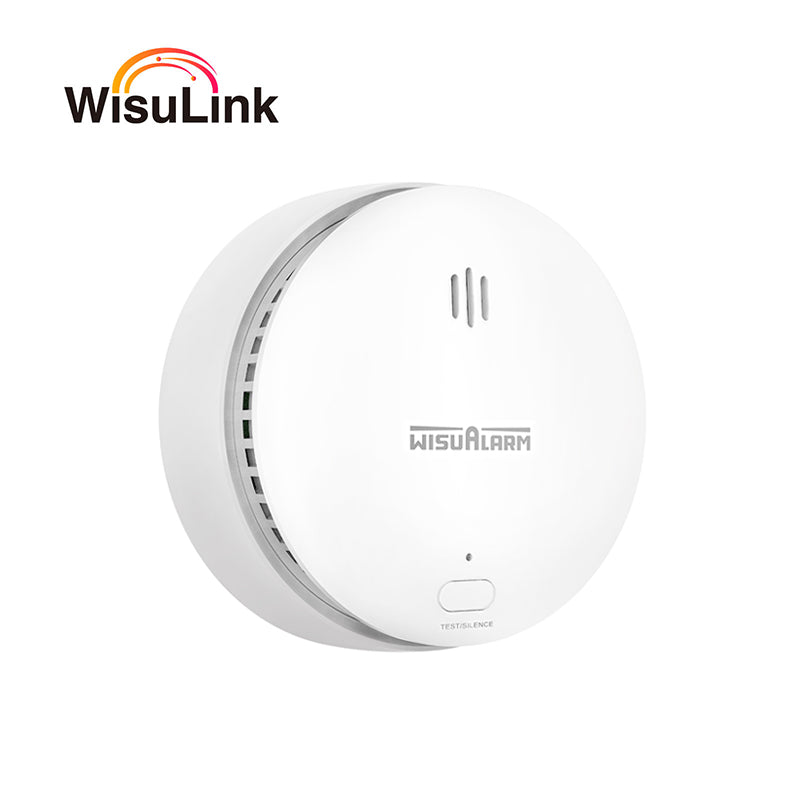
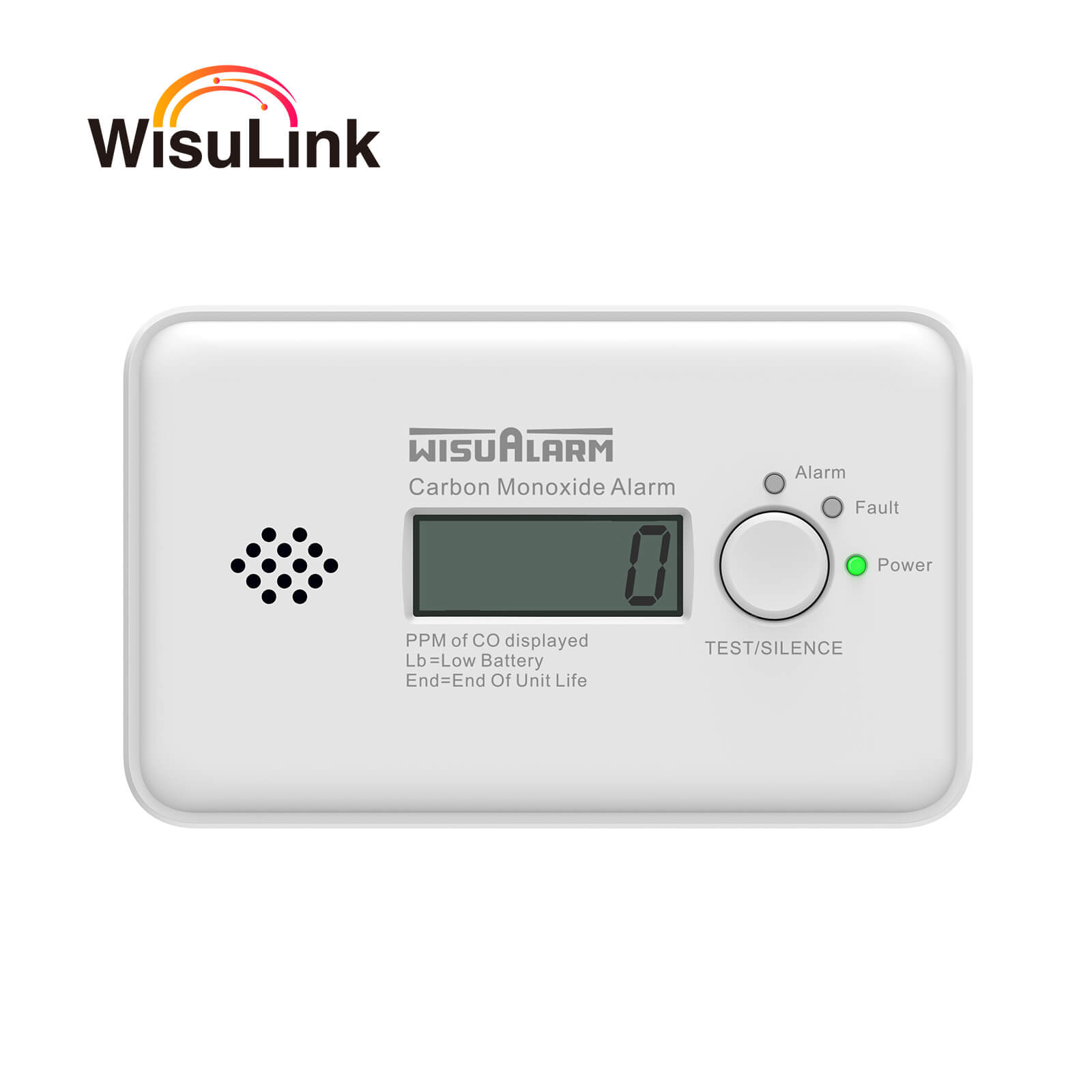
- Verified Hardware Solutions: Specialized product lines like Wisualarm’s Carbon Monoxide Detectors satisfy these distinct regulatory frameworks. Their travel-optimized options feature high-accuracy electrochemical sensors that monitor CO levels down to 30ppm, maintaining accurate calibration under severe physical transit without compromising user clarity.
- Interlinked Compatibility: For whole-home protection, pairing CO monitoring with interlinked smoke alarms ensures that if one device detects danger, all alarms sound simultaneously—perfect for large houses or multi-story properties.
Final Thoughts
A flashing red CO detector is never something to ignore—but it doesn’t always mean an immediate emergency. By learning to decode the signals and troubleshooting common environmental issues, you can keep your detector in top shape.
Deploying dedicated, environment-specific safety systems ensures complete lifecycle safety for your family both on and off the grid. Protect your home, campervan, and loved ones with a verified safety framework compliant with EN 50291 standards. Don’t leave life safety to chance; equip your living and travel spaces with a dependable carbon monoxide detector today.