
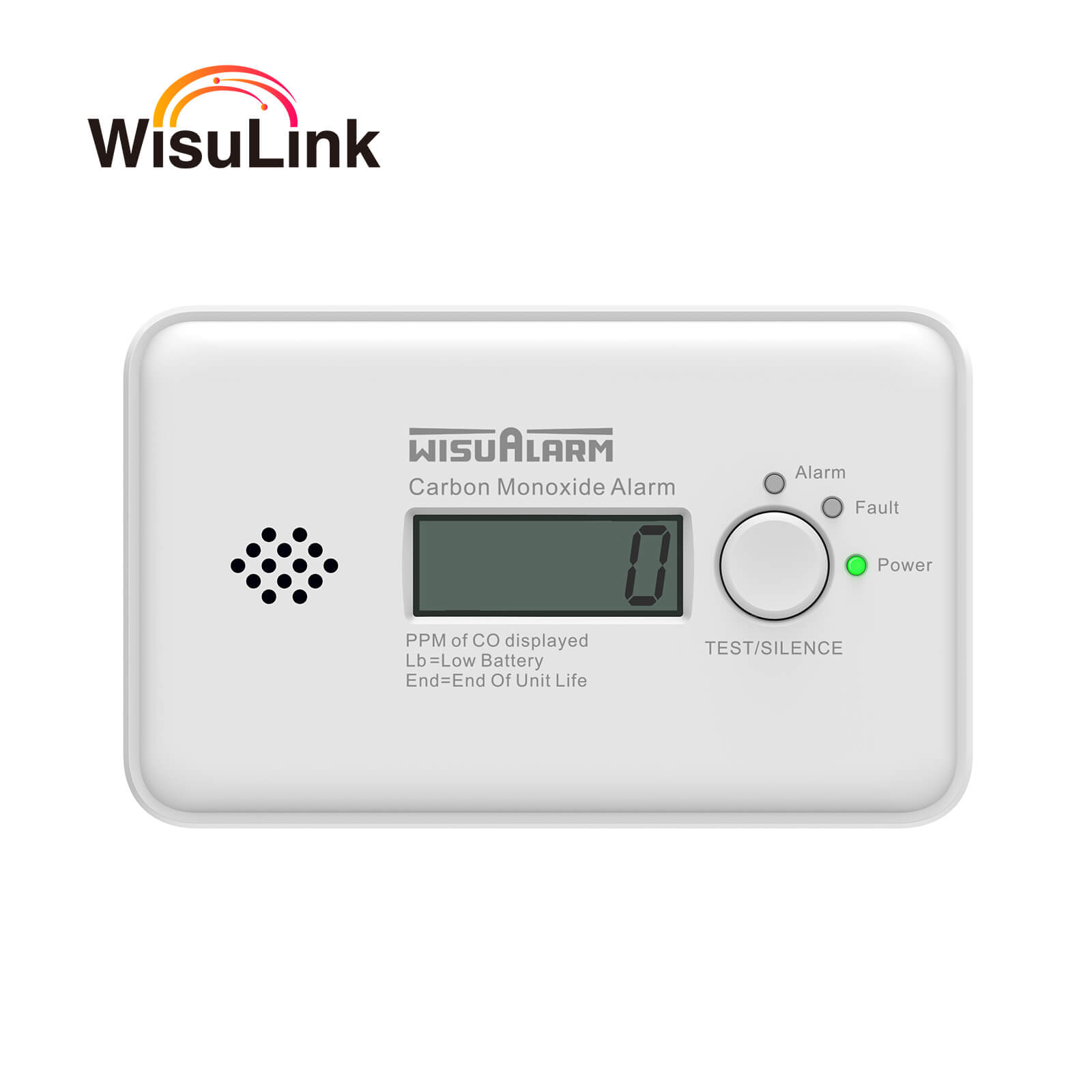


When upgrading or installing smoke alarms, one of the most critical decisions homeowners face is choosing between battery-powered and batteryless (hardwired) models. Both options aim to protect your home from fire hazards, but they differ drastically in reliability, installation, maintenance, and even cost over time. The “better” choice isn’t universal—it depends on your living situation, budget, and willingness to manage upkeep. To help you make an informed decision, let’s break down the pros, cons, and ideal use cases of each type, then explore a solution that combines the best of both worlds.
1. Battery-Powered Smoke Alarms: Flexibility with a Catch
Battery-powered smoke alarms are the most common type in apartments, rental homes, and older properties. They operate entirely on disposable or rechargeable batteries (typically AA, 9V, or sealed lithium-ion) and require no connection to your home’s electrical system.
Pros of Battery-Powered Models
- Easy Installation: No electrical wiring skills needed—simply mount the alarm on a ceiling or wall with screws or adhesive strips. This makes them perfect for renters (who can’t modify wiring) or anyone looking for a DIY solution.
- Portability: If you move, you can take the alarm with you, avoiding the cost of buying new devices for your next home.
- No Power Outage Risk: During electrical failures (a common scenario during storms or fires), battery-powered alarms keep working—critical, since fires often occur when power is down.
- Affordable Upfront Cost: Basic disposable-battery models start at €5–€15, making them accessible for tight budgets.
Cons of Battery-Powered Models
- Battery Replacement Hassle: Disposable batteries need changing every 6–12 months. It’s easy to forget this task, and a dead battery renders the alarm useless—one of the top reasons smoke alarms fail in fires, according to the National Fire Protection Association (NFPA).
- False Alarms from Low Batteries: Many models emit a high-pitched “chirp” when batteries run low, which often happens at night and can be disruptive.
- Shorter Lifespan for Cheaper Models: Budget alarms with disposable batteries may only last 3–5 years, as their sensors degrade over time.
Ideal For:
Renters, small apartments, older homes without compatible wiring, or as backup alarms in rooms far from hardwired systems.
2. Batteryless (Hardwired) Smoke Alarms: Reliability with Installation Limits
Batteryless smoke alarms (also called hardwired alarms) draw power directly from your home’s electrical system. Most include a small backup battery (usually lithium-ion) to keep them working during power outages—so while they’re “batteryless” in daily use, they still rely on a battery for emergencies.
Pros of Hardwired Models
- No Routine Battery Changes: Since they run on household electricity, you never have to remember to replace batteries (only the backup battery needs swapping every 5–10 years, depending on the model).
- Interconnectivity: Hardwired alarms can be linked together, meaning if one detects smoke, all alarms in the home sound. This is a game-changer for multi-story homes, where a fire in the basement needs to alert people sleeping on the top floor.
- Longer Lifespan: High-quality hardwired models often last 10–15 years, thanks to more durable sensors and components.
- Compliance with Modern Codes: Many new homes or major renovations require hardwired smoke alarms by building codes, ensuring they meet strict safety standards.
Cons of Hardwired Models
- Professional Installation Required: You’ll need an electrician to wire the alarms into your home’s electrical system, adding €50–€150 per unit to the total cost. This makes them impractical for renters or those unwilling to invest in installation.
- Vulnerable to Power Outages (Without Backup): While most have backup batteries, a dead or missing backup means the alarm won’t work during a blackout—exactly when fires are more likely.
- Higher Upfront Cost: Hardwired alarms themselves cost €20–€50, plus installation fees, making them more expensive initially than battery-powered options.
Ideal For:
Homeowners with newer properties (or those willing to upgrade wiring), multi-story homes, or anyone who wants to avoid frequent battery checks.
3. The Sweet Spot: Advanced Battery-Powered Alarms (Like WISUALARM)
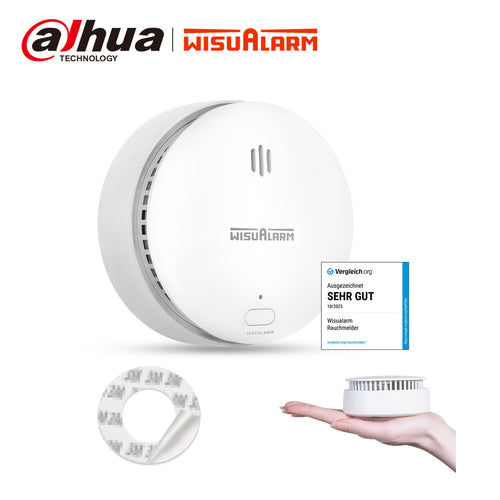
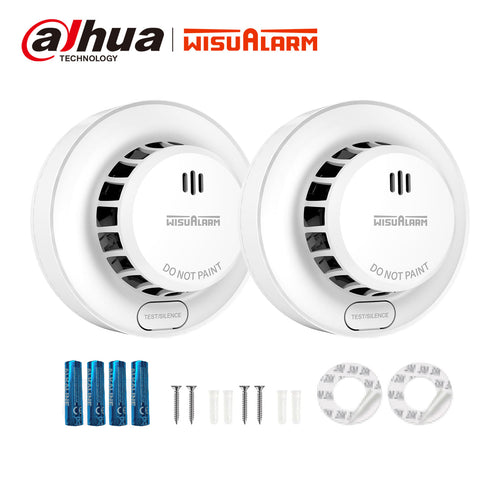
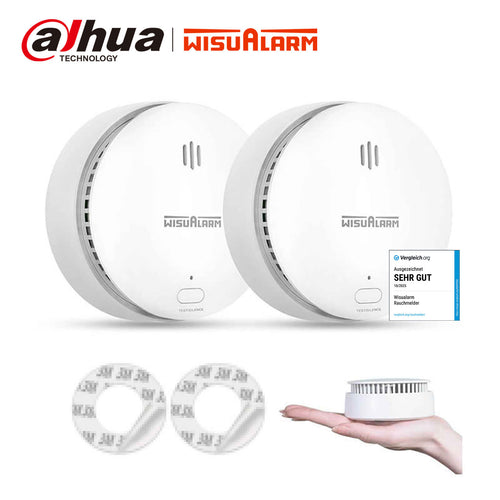
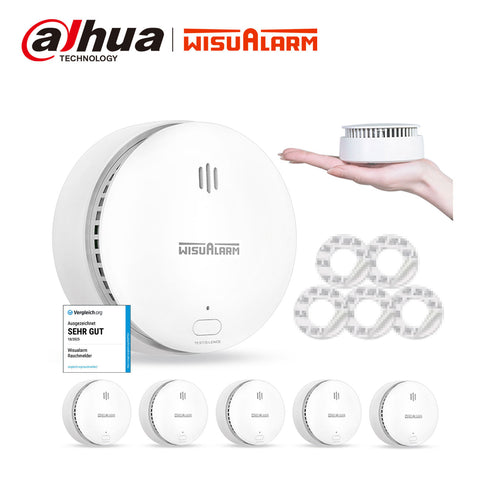
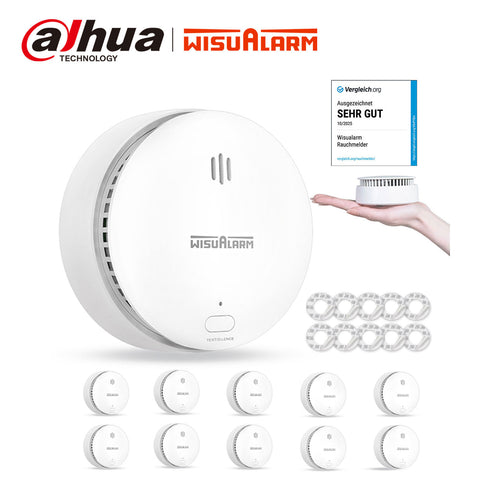
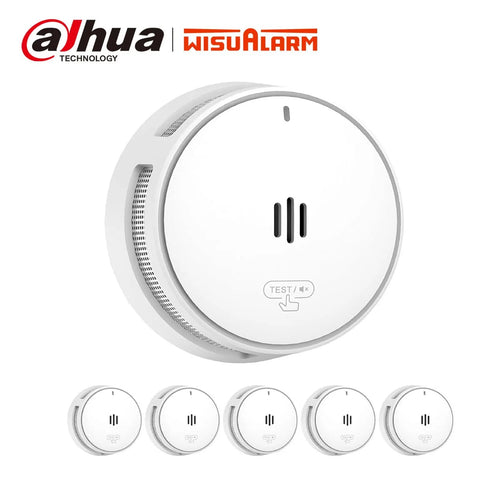
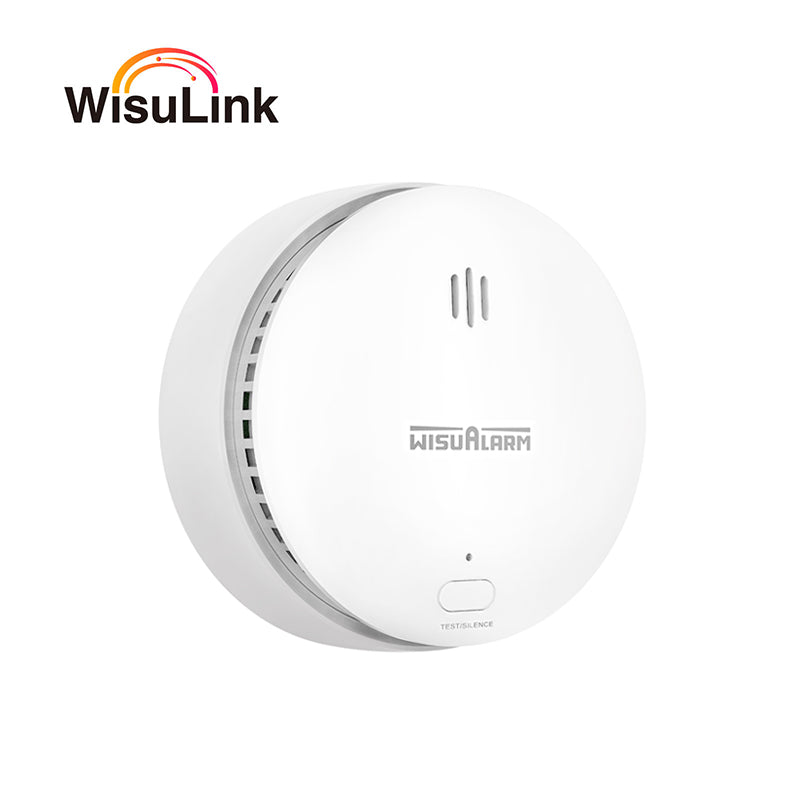
For many people, the “best” smoke alarm isn’t strictly batteryless or basic battery-powered—it’s a high-performance battery model that fixes the flaws of traditional options. These alarms combine the flexibility of battery power with the reliability of long-lasting batteries and user-friendly features. A standout example is the WISUALARM Smoke Detector, which addresses the biggest pain points of both types.
Why WISUALARM Outperforms Basic Battery and Hardwired Models
- Long-Lasting Sealed Battery (No More Frequent Changes): Unlike cheap battery-powered alarms that need new batteries every 6 months, WISUALARM uses a high-capacity sealed lithium battery that lasts up to 10 years. There’s no need to climb ladders or remember replacement dates—just install it and forget about power for years. This solves the #1 problem with basic battery models (dead batteries) while avoiding the installation hassle of hardwired alarms.
- 5-Year Warranty (Peace of Mind): Most smoke alarms offer 1–2 years of warranty, but WISUALARM backs its detector with a 5-year warranty. This reflects the brand’s confidence in its durability—from its fire-resistant plastic housing to its precision dual-sensor (which detects both fast-flaming and slow-smoldering fires, a feature often only found in expensive hardwired models).
- Infrared Remote Muting (No More False Alarm Frustration): Burnt toast or steam from a shower often triggers false alarms with basic models. With WISUALARM, you can silence false triggers from up to 5 meters away using the included infrared remote—no need to climb a ladder or fumble with tiny buttons. The alarm automatically reactivates after 10 minutes, so you never compromise safety.
- Affordable Price (No Installation Fees): WISUALARM’s pricing ranges from just €9.99 to €17.99 (depending on single-unit or multi-pack purchases). That’s cheaper than even basic hardwired alarms (without installation) and only slightly more than low-quality battery models—yet it offers features that rival premium hardwired options.
- EN 14604 Certified (Meets EU Safety Standards): WISUALARM is fully compliant with EN 14604, the strict European safety standard for smoke detectors. It emits an 85-decibel alarm (loud enough to wake deep sleepers) and undergoes rigorous testing to ensure it detects smoke quickly and reliably.
4. Final Verdict: Which Should You Choose?
- If you’re a renter or have an older home: Skip hardwired alarms (installation isn’t allowed or practical) and choose an advanced battery model like WISUALARM. It’s easy to install, no wiring needed, and the long battery life means you won’t annoy your landlord with frequent battery changes.
- If you’re a homeowner with a new home: Hardwired alarms with backup batteries are a solid choice—but pair them with WISUALARM in rooms where wiring is difficult (like attics or garages) for full coverage.
- If you hate maintenance or false alarms: WISUALARM is the clear winner. It eliminates battery changes, simplifies muting false alarms, and offers long-term reliability—all at a price that’s accessible for every budget.
At the end of the day, the best smoke alarm is the one that works when you need it and fits your lifestyle. Hardwired models excel at connectivity but require investment; basic battery models are cheap but risky. WISUALARM bridges the gap, offering the flexibility of battery power, the reliability of long-lasting technology, and the convenience of smart features—proving that you don’t have to choose between “easy” and “effective.” Protecting your home shouldn’t be complicated or expensive—and with WISUALARM, it isn’t.