





Carbon monoxide (CO) is a covert and dangerous gas that poses a serious risk to health and safety. It is colorless, odorless, and tasteless, making it virtually impossible to detect without the help of specialized equipment. For this reason, carbon monoxide detectors have become indispensable safety devices in homes, offices, campervans, and other enclosed leisure spaces. This is particularly critical during seasonal outdoor travel, where the use of portable heaters, cooking stoves, and fuel-powered generators in confined recreational vehicles heightens safety risks. An important aspect of these devices is their indicator lights, which provide vital information about their operational status and potential threats. In this article, we will explore what these indicator lights mean, how safety standards shift between stationary homes and mobile applications, and how to ensure your safety.
Common CO Detector Indicator Lights and Their Meanings
-
Green Light
- Meaning: The LED lights blinks green per minutes usually indicates that the carbon monoxide detector is powered on and functioning correctly.
- Action: No action is needed; your device is operating normally. However, regularly test your detector to ensure it continues to work as intended. When deploying a device in a campervan or caravan, this green flash serves as a vital indicator that the internal sensor remains stable and operational following road transit.

-
Yellow Light
- Meaning: A yellow light flashes yellow once a minute often signifies a warning, such as a low battery or that the detector requires maintenance.
- Action: If you see this light, check the battery and replace it if needed. Additionally, clean the unit according to the manufacturer's instructions.

-
Flashing Red Light
- Meaning: A flashing red light typically indicates that the detector has sensed carbon monoxide in the environment.
- Action: Evacuate the premises immediately. Seek fresh air and call emergency services to investigate the situation. Never ignore this warning—CO exposure can be lethal.

-
All Light
- Meaning: All LED lights flashes 3 times means the device is doing self-test.
- Action: No action is needed.

-
Yellow Light
- Meaning: A yellow light flashes yellow once a minute often signifies a warning, such as a low battery or that the detector requires maintenance.
- Action: If you see this light, check the battery and replace it if needed. Additionally, clean the unit according to the manufacturer's instructions.
-
Flashing Red Light
- Meaning: A flashing red light typically indicates that the detector has sensed carbon monoxide in the environment.
- Action: Evacuate the premises immediately. Seek fresh air and call emergency services to investigate the situation. Never ignore this warning—CO exposure can be lethal.
-
All Light
- Meaning: All LED lights flashes 3 times means the device is doing self-test.
- Action: No action is needed.
The Importance of Regular Maintenance
Maintaining your carbon monoxide detector is crucial for ensuring its reliability when you need it most, whether managing home safety or setting up camp off-grid. Here are some important maintenance tips:
- Test Monthly: Press the test button on your detector once a month to ensure it is sounding as it should. For travel applications, always perform an intentional manual test prior to departing on a road trip.
- Battery Replacement: Replace batteries immediately if the unit's light indicates low power. For extended travel where power sources are limited, devices utilizing a 10-year sealed lithium battery completely eliminate low-voltage maintenance.
- Cleaning: Dust, outdoor debris, and road grit can hinder the detector's functionality. Clean your device regularly according to the manufacturer's guidelines.
- Annual Checks: Consider an annual inspection by a professional technician, especially if you have gas appliances or a fireplace in your home, or propane heating and diesel systems inside a campervan.
- Replacement Schedule: Follow the manufacturer's instructions for replacing the entire unit, typically every 5 to 10 years, as the internal electrochemical sensing element naturally degrades over time.
Conclusion
Understanding the indicator lights and sounds of your carbon monoxide detector is crucial for your safety and the safety of those around you. These lights serve as your first line of defense against a potentially deadly gas, helping to ensure that you are alerted in case of dangerous CO levels across any environment.
Selecting the Right Protection Framework
Achieving complete safety relies heavily on matching the hardware specifications to your exact operational environment:
- Residential Standards (EN 50291-1): Optimized for stable, stationary domestic properties to monitor slow, ambient gas accumulation.
- Mobile Standards (EN 50291-2): Rigorously engineered for campervans, caravans, and overlanding rigs to withstand continuous road vibrations, mechanical shock, and extreme temperature shifts without triggering false alarms or early sensor drift.
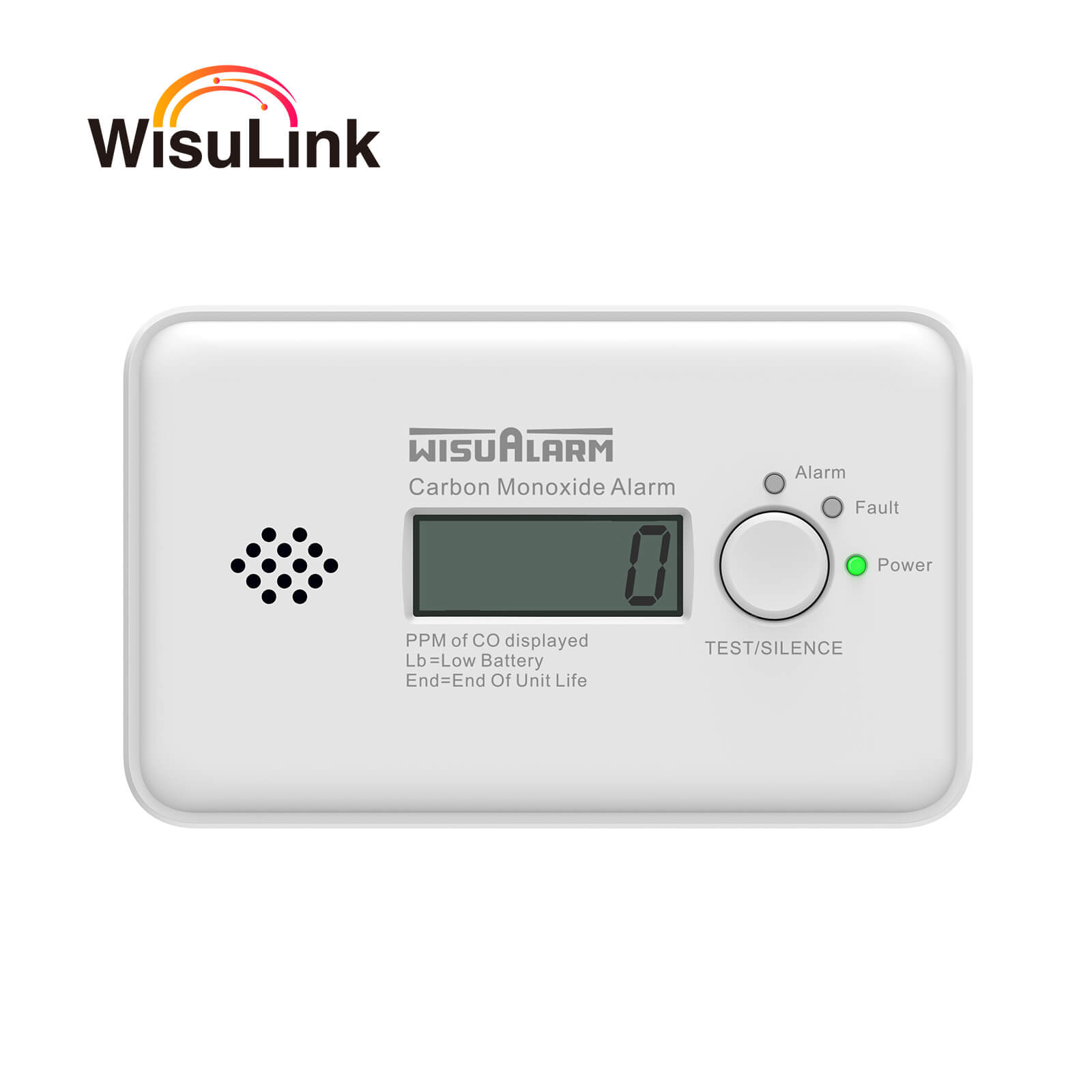
- Verified Hardware Solutions: Certified options like Wisualarm’s Carbon Monoxide Detector cover both regulatory frameworks, ensuring stable sensor calibration and precise electrochemical monitoring whether you are stationary or in transit.
By deploying dedicated, environment-specific safety systems, you eliminate mechanical blind spots both on and off the grid. Protect your home, caravan, and family with a verified safety framework. Don’t leave life safety to chance; equip your living and travel spaces with a dependable carbon monoxide detector today.