


Quick Answer
Modern homes are becoming more connected, with more electrical devices, smart technology and rechargeable products than ever before.
While these innovations improve daily life, they also create new fire safety considerations. Electrical faults, overheating devices and battery-related incidents highlight the importance of combining prevention with reliable early detection.

Why Are Modern Homes Facing New Fire Risks?
The way people use their homes has changed significantly.
Many households now have:
- Home office equipment
- Multiple charging devices
- Smart home technology
- Modern appliances
- Battery-powered products
These devices are designed for everyday use, but increased electrical dependence means homeowners need to think differently about fire protection.
Modern fire safety is no longer only about preventing fires. It is also about ensuring that families receive an early warning when unexpected situations occur.
Are Electrical Devices Changing Home Fire Safety?
Electrical products are an essential part of modern life.
Phones, laptops, kitchen appliances and smart devices are used daily, often for many hours.
Potential concerns can include:
- Damaged cables
- Overheated equipment
- Incorrect charging practices
- Ageing appliances
Good maintenance and responsible usage remain important. However, prevention cannot eliminate every possible risk.
This is where early detection becomes a critical part of home protection.
Why Are Battery-Powered Products Becoming a New Safety Consideration?
Rechargeable technology has transformed modern households.
From cordless appliances to personal electronics, lithium-ion batteries are now common in everyday products.
Most battery-powered devices are safe when used correctly. However, overheating, physical damage or improper charging conditions can create additional risks.
As homes adopt more rechargeable technology, homeowners should consider not only how to prevent problems, but also how quickly they can receive a warning if something happens.
Why Does Early Detection Matter More Than Ever?
Modern fire risks can develop quickly and may not always be noticed immediately.
A fire could start:
- During the night
- In an unoccupied room
- While devices are charging
- Away from where people are present
Early detection provides valuable time.
Reliable smoke detection helps alert occupants at the beginning stages of a fire, allowing families to react faster and take action before the situation becomes more serious.
How Can Modern Homes Build Better Fire Protection?
Different areas of a home may face different challenges.
A complete protection approach considers:
Everyday Living Areas
Bedrooms, hallways and living spaces benefit from reliable smoke detection because early warning is essential when people may be sleeping or unaware of danger.
Kitchens and High-Heat Areas
Some spaces experience normal heat, steam or cooking activity. Choosing suitable detection methods can help provide protection while reducing unnecessary alarms.
Homes With Fuel-Burning Appliances
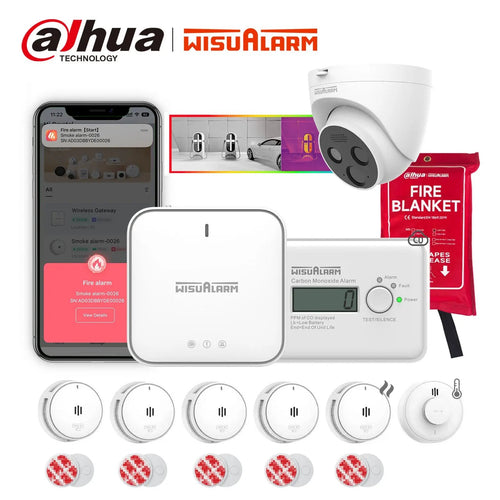
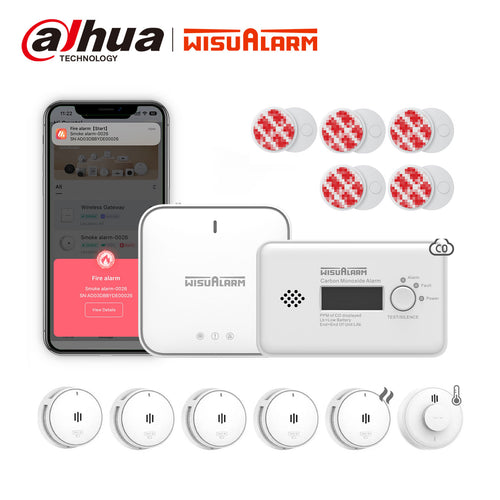
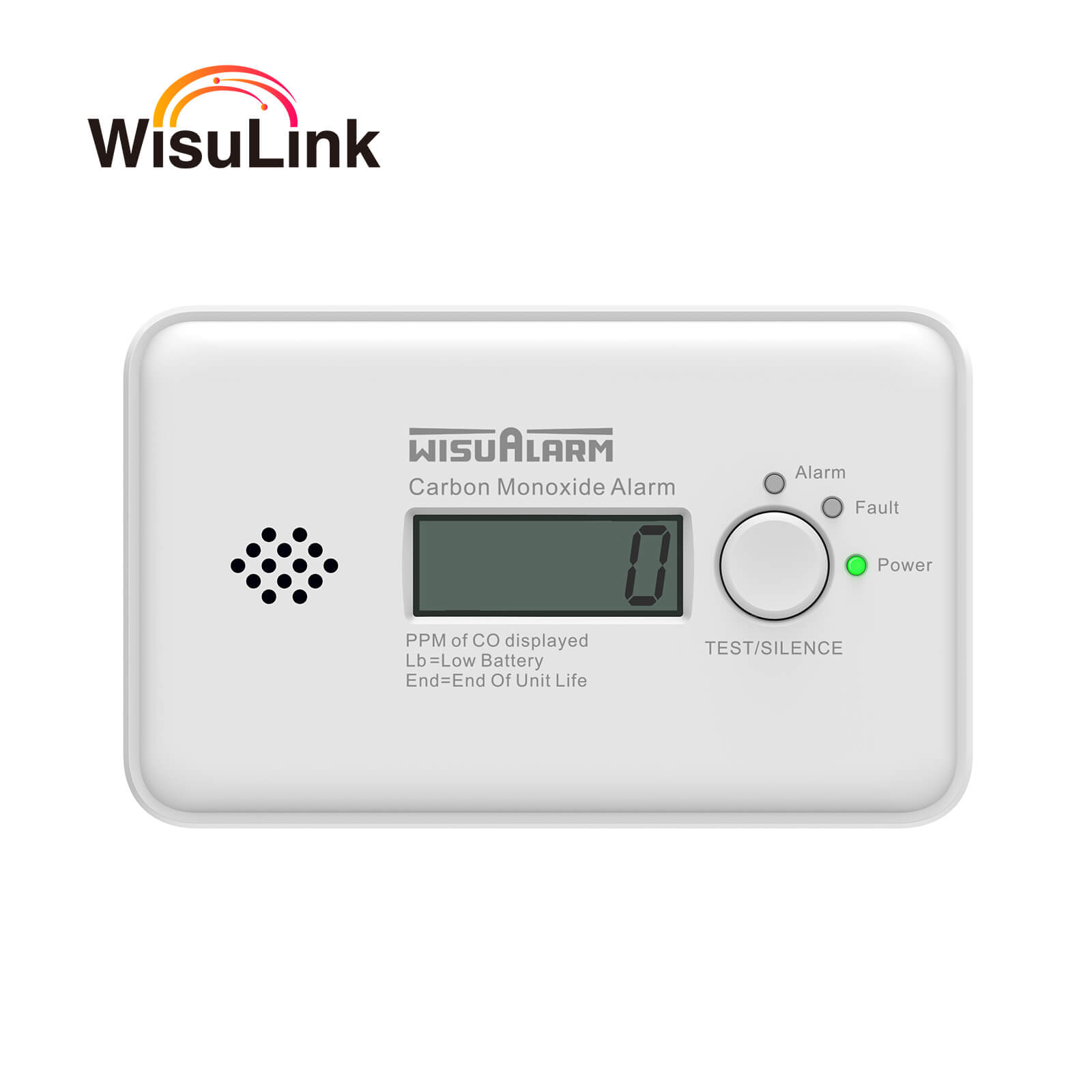
Modern home safety should also consider invisible risks. Carbon monoxide protection provides an additional layer of safety for homes using combustion appliances.
Larger Homes
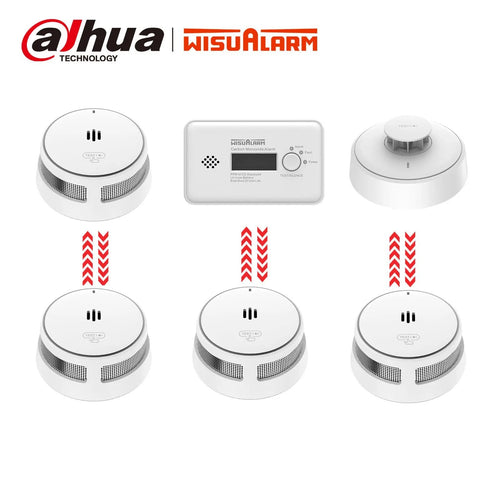
For multi-storey properties, interconnected alarm systems can help ensure warnings reach occupants throughout the home.
Modern Fire Safety Requires a More Complete Approach
Today’s homes are more advanced than ever, but fire protection needs to evolve with modern lifestyles.
A safer home combines:
- Responsible electrical usage
- Regular safety checks
- Reliable early detection
- Protection solutions suited to different areas
The goal is not to avoid modern technology.
It is to make sure homes are prepared for the risks that come with modern living.
As households rely on more electrical devices, rechargeable products and connected technology, early detection becomes increasingly important. By combining prevention with reliable fire protection, families can create safer homes designed for modern life.
FAQ
Are electrical devices increasing home fire risks?
Modern households use more electrical products than previous generations. Proper maintenance, safe usage and early detection all help improve home safety.
Can smoke alarms detect electrical fires?
Smoke alarms detect smoke produced by fires, including many electrical-related fires. However, they are designed for detection, not fire prevention.
Are lithium-ion batteries dangerous at home?
Lithium-ion batteries are widely used and generally safe. However, damaged batteries or improper charging conditions can create additional risks.
Why are interconnected alarms useful?
Interconnected alarms can help larger homes provide faster warnings by allowing multiple devices to alert occupants.