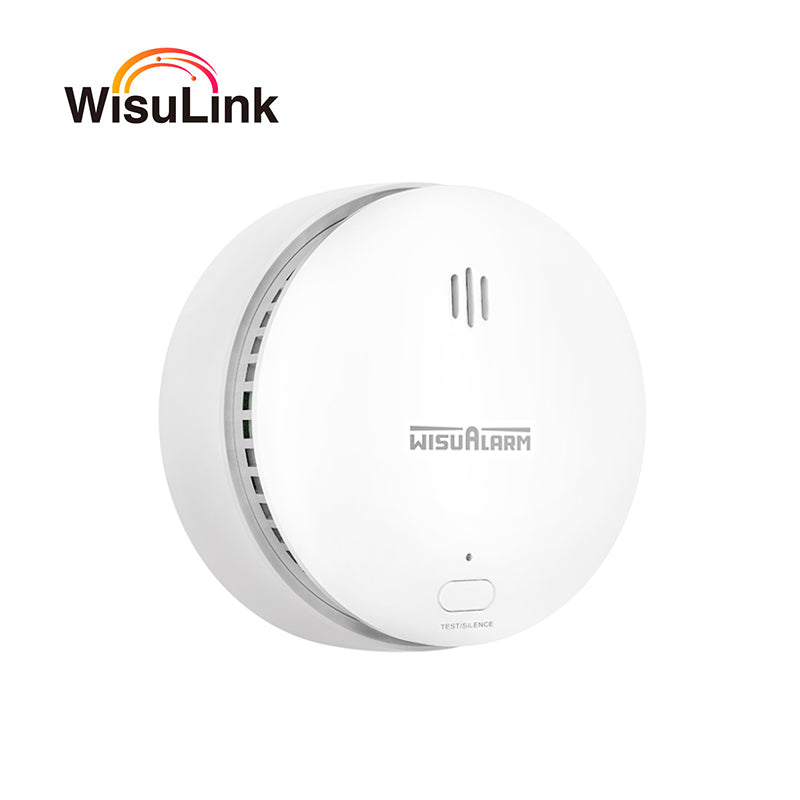



Smoke Detectors
Instant smoke warning across all rooms with 10-year battery reliability.


Featured Items
Black Friday Archive Sale
Filter
Clear allBattery Life
Delivery Options
Power Source
Sorry, there are no products in this collection.


Sale


Sale
26%
OFF


Sale
20%
OFF


Sale
25%
OFF


Sale
25%
OFF


Sale
34%
OFF


Sale
10%
OFF


Sale
Comparison of Smoke Alarms
Comparison of Smoke Alarms
| Model | DHI-HY-SA20A | DHI-HY-SA30A | DHI-HY-SA2FA |
|---|---|---|---|
| Sensor Type | Photoelectric | Photoelectric | Photoelectric |
| Power Source | 3V CR123A lithium battery (replaceable) | 3V CR123A lithium battery (non-replaceable) | 3V CR123A lithium battery (replaceable) |
| Battery Life | 10 Years | 10 Years | 2 Years |
| Connection method | Standalone | Wireless Interconnectivity | WiFi Connection |

Smoke Alarms
Discover our wide selection of smoke and heat alarms tailored to meet your home safety requirements. Whether you prefer battery-operated smoke alarms for quick installation or interconnected alarms for improved safety, we have the right solution for you.
Need a Shopping Assistant?
Simplify your shopping experience with our expert Buying Guide!
FAQ
FAQ
What features should I look for in a smoke detector?
When choosing a smoke detector, consider the following features:
Sensor Type: Look for photoelectric sensors, which are better at detecting smoldering fires, or ionization sensors, which are more responsive to flaming fires. Some detectors combine both types for comprehensive protection.
Smart Technology: Consider detectors that offer smart features like mobile alerts, voice notifications, and integration with home security systems.
Battery Life: Choose between units with replaceable batteries or sealed lithium batteries that last up to 10 years.
Silencing Features: Look for smoke detectors with hush buttons and app integrations that help minimize false alarms while maintaining safety.
What are the differences between Photoelectric sensors and Ionization sensors in smoke alarms?
Photoelectric sensors in smoke detectors use light to detect smoke particles, while ionization sensors use an electrical current. Photoelectric sensors are better for detecting smoldering fires, while ionization sensors are better for detecting fast-burning fires.
How often should I replace my smoke detector?
Smoke detectors generally have a lifespan of about 10 years. It's crucial to track the age of your units and replace them once they reach this age to ensure maximum efficacy. Additionally, replace the smoke detector sooner if you experience frequent false alarms, if the unit fails to respond during testing, or if it shows damage. To help remember, consider marking the replacement date on your calendar or setting a reminder.
Can I use a smoke detector in my kitchen?
While it's essential to have smoke detectors in your home, it's not recommended to install standard smoke detectors directly in your kitchen due to the risk of false alarms from cooking fumes or steam. Instead, consider the following:
Photoelectric Detectors: If you want a smoke detector close to the kitchen, opt for a photoelectric model, which is less likely to be triggered by cooking-related fumes.
Placement: Install the smoke detector at least 10 feet away from cooking appliances to minimize nuisance alarms. Consider using a heat detector in areas where smoke detectors might face issues due to cooking.