


In Europe, smoke alarms are no longer seen as simple standalone devices installed on the ceiling.
Homeowners, landlords, and installers are increasingly adopting connected home safety systems, where multiple devices work together to detect danger earlier and alert the entire home at the same time.
(For more details, please refer to the following articles:
— Interlinked Smoke Alarm Installer's Guide;
— What are the benefits of interlinked smoke alarms?
— Why Interlinked Smoke Alarms are the New Standard in Germany )
This shift is driven by a simple but important reality: modern homes are more complex, with multi-room layouts, closed doors, and multi-floor structures that reduce the effectiveness of single-point alarms.
From Single Devices to Connected Safety Systems
Traditionally, smoke alarms were installed as individual units in key areas of the home.
However, modern housing layouts—especially multi-room and multi-floor homes—have exposed the limitations of single-point detection.
Today, users are asking more practical questions:
- Will the alarm wake me up if I’m in another room?
- Can every alarm in the house activate together in an emergency?
- How can smoke and carbon monoxide detection work as one system?
These needs are driving a clear transition toward system-based home safety design instead of isolated devices.
Interconnected Smoke Alarms as Best Practice
Across Europe, interconnected smoke alarms are increasingly considered best practice for residential fire safety.
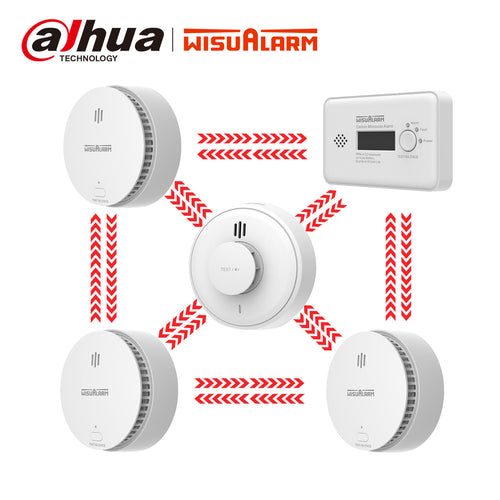
When one alarm detects smoke or fire, all alarms in the system sound simultaneously—ensuring that every occupant is alerted immediately, regardless of location in the home.
This approach is now widely applied in:
- Multi-floor houses
- Rental housing
- Larger residential apartments
It reflects a clear shift in thinking: fire safety is no longer about individual devices, but about whole-home response speed.
Installation Design Defines System Performance
Modern fire safety performance depends heavily on how a system is installed, not just the device itself.
A well-designed smoke alarm system considers how people live and move inside the home.
Typical installation logic includes placing alarms in:
- Hallways for escape route protection
- Bedrooms for nighttime detection
- Living rooms for early warning in shared spaces
- Kitchens with heat detection to reduce false alarms
- Boiler rooms or garages for carbon monoxide monitoring
This highlights an important principle in modern safety design:
A smoke alarm system is only as effective as its coverage and placement strategy.
From Smoke Alarms to Connected Home Safety Systems
Another major trend is the integration of multiple safety devices into one connected system.
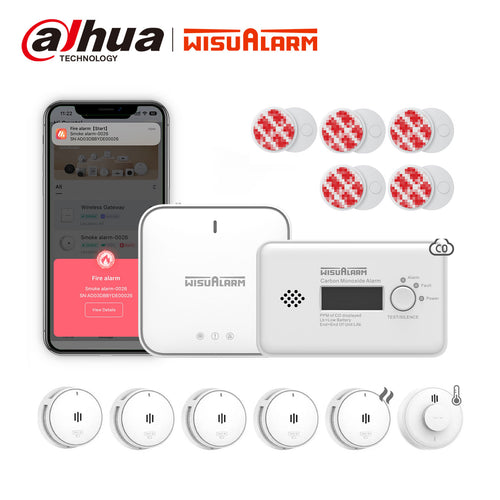
Instead of operating independently, devices are now designed to work together, including:
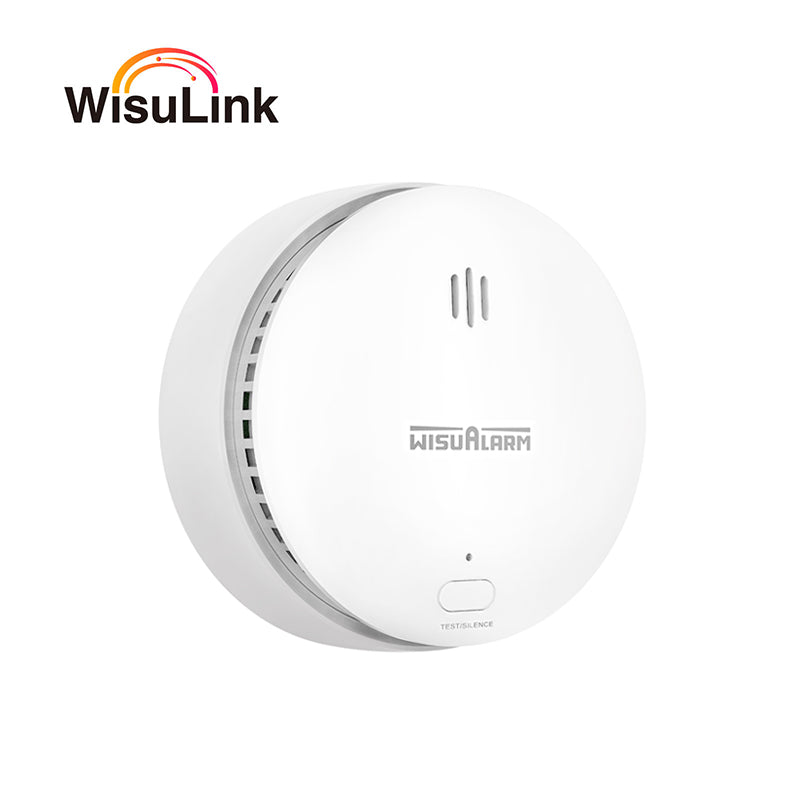
- Smoke alarms
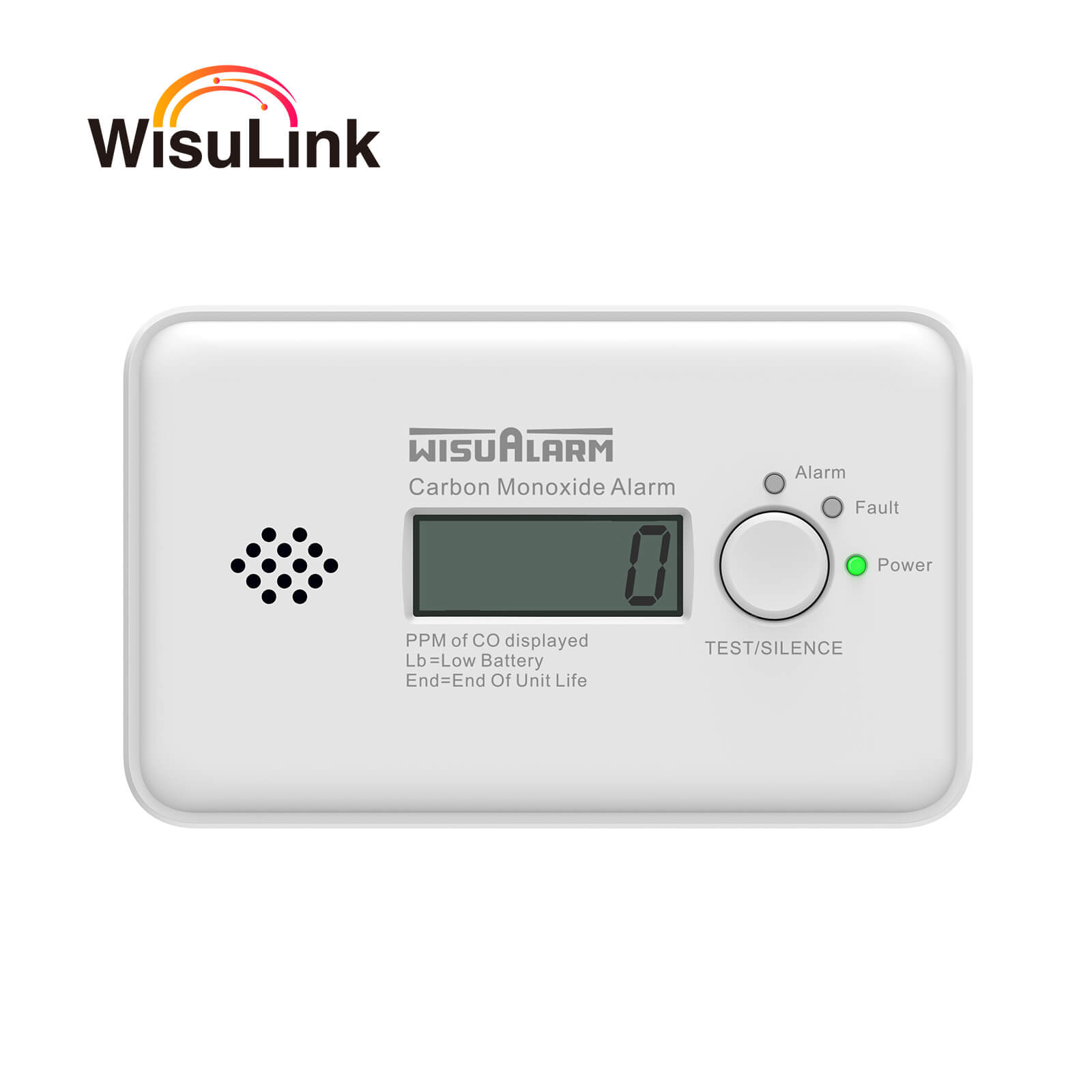
- Carbon monoxide alarms
- Heat detectors
- Lighting systems
- Security systems
In connected setups, these devices can coordinate responses:
- Smoke detected → all alarms activate across the home
- Emergency detected → lights automatically turn on for evacuation
- Carbon monoxide detected → ventilation systems shut down
This creates a coordinated home safety response, improving reaction speed and reducing confusion during emergencies.
What the Market Is Saying
Across installer communities and homeowner discussions, several consistent expectations appear:
- Single smoke alarms are not sufficient for modern homes
- Interconnected systems provide more reliable protection, especially at night
- Local alarm communication is preferred over cloud-dependent systems
- Safety systems must work even without internet connectivity
The underlying message is clear:
Reliability and system-wide response matter more than smart features.
Conclusion: Toward Whole-Home Protection
Home fire safety in Europe is clearly evolving toward a more connected and system-driven approach.
Instead of relying on individual devices, the focus is shifting toward how all components work together inside a real home environment.
For homeowners and installers, the key shift is simple:
A smoke alarm is no longer just a product—it is part of a connected system designed to protect the entire home at once.