



In Europe, carbon monoxide (CO) poisoning remains a silent threat to households—especially those relying on gas, oil, or solid fuel for heating and cooking. The European Commission reports that over 2,000 Europeans are hospitalized annually due to accidental CO exposure, with many cases linked to improperly placed or maintained detectors. Unlike the U.S., Europe has unified safety standards for CO alarms (EN 50291) but varies in national installation regulations—making a region-specific placement guide essential for protecting your family.
Whether you live in a historic Parisian apartment with a gas boiler, a German detached home with a wood-burning stove, or a Spanish villa with a propane grill, the key to CO safety lies in strategic detector placement. This guide aligns with EU directives, CEN (European Committee for Standardization) recommendations, and national rules (from the UK’s HSE to Germany’s BSI), while addressing Europe’s unique housing stock and fuel usage habits. We’ll also highlight how Wisualarm’s EU-certified detectors are engineered to meet the continent’s safety needs.
EU Regulations: The Foundation of CO Safety
Europe’s approach to CO safety is rooted in mandatory standards and regional adaptability. Before diving into placement, familiarize yourself with the rules that apply to every EU household:
1. EN 50291: The EU’s Mandatory Alarm Standard
All CO alarms sold in the EU must comply with EN 50291 (the European Standard for carbon monoxide detectors). This standard dictates: Alarm response times (e.g., ≤3 minutes at 300 ppm CO, ≤90 minutes at 50 ppm).Operating temperature ranges (adapted for Europe’s cold winters: typically -10°C to 40°C).False alarm resistance (critical for homes with traditional wood stoves or gas cooktops).Look for the CE mark on any detector—this confirms compliance with EN 50291 and EU safety directives. Non-compliant alarms (common in unregulated online marketplaces) may fail to detect CO or trigger unnecessary alerts.
2. National Variations: What You Need to Know
While EN 50291 sets the baseline, EU countries add regional rules to address local housing and fuel trends. Key examples include:
-
United Kingdom (HSE): Mandatory CO alarms in all rental properties with solid fuel appliances (since 2015). Must be placed in the same room as the appliance and outside sleeping areas.
-
Germany (BSI): Alarms required in homes with gas boilers or wood stoves. Must be installed at least 1.5 meters above the floor (to avoid cold air pockets in well-insulated homes).
-
France (AFNOR): Detectors mandatory in all homes with fuel-burning appliances (gas, oil, wood). Recommended placement: 1 meter from ceiling in living areas, 50 cm from ceiling in bedrooms.
-
Spain (AENOR): Alarms required near gas water heaters (common in Spanish bathrooms). Must be placed outside wet areas to avoid humidity damage.
Why Europe’s Housing Stock Changes Placement Rules
Europe’s diverse housing—from medieval stone cottages to modern apartments—creates unique CO risks that impact detector placement. Two key factors set European homes apart:
-
Fuel Diversity: Unlike the U.S.’s reliance on natural gas, Europeans use more solid fuels (wood, coal) and propane—fuels that release CO in bursts (e.g., when a wood stove is first lit). This requires alarms with faster response times.
-
Insulation & Airflow: European homes are highly insulated (per EU energy efficiency directives like EPBD) to save on heating. Poor airflow means CO can build up faster in closed rooms—making multi-alarm setups non-negotiable.
-
Smaller Living Spaces: Urban European apartments (e.g., in Rome or Berlin) are often compact, meaning appliances (like gas stoves) are closer to living areas. This demands precise placement to avoid false alarms.
EU-Specific Room-by-Room Placement Guide
Below is a tailored guide for Europe’s most common living spaces, blending EN 50291 standards with national best practices:
1. Bedrooms & Sleeping Areas: EU Priority Zones
EU safety experts (including the European Fire Safety Alliance) rank sleeping areas as the most critical for CO protection—especially in homes with night-time heating (common in Northern Europe). Follow these rules:
-
For homes with fuel-burning appliances in adjacent rooms: Install an alarm inside each bedroom. In France and Belgium, this is mandatory if the bedroom shares a wall with a gas boiler.
-
For apartments with central heating: Place an alarm in the hallway outside sleeping areas, within 5 meters of bedroom doors (UK HSE standard). Ensure the 85 dB alarm (EN 50291 requirement) can penetrate closed doors—test this by triggering the alarm with the test button.
-
For attic bedrooms (common in rural Europe): Mount the alarm 50 cm below the ceiling (hot air rises, and attic temperatures fluctuate). Avoid placing near roof vents—cold drafts can delay detection.
2. Living Rooms with Wood Stoves/Gas Fireplaces
Wood-burning stoves are a staple in European homes (60% of households in Austria and Sweden use them). They’re also a top CO source—especially when damp wood causes incomplete combustion. Placement tips:
-
Install the alarm 2–3 meters away from the stove (German BSI recommendation). Too close, and smoke from the stove will trigger false alarms; too far, and CO from a blocked flue may go undetected.
-
Mount on a wall 1.5–2 meters above the floor. This avoids the cool air layer near the floor (common in insulated rooms) and aligns with human breathing height.
-
Avoid placing behind sofas or curtains—Europe’s cozy living room layouts can create "dead air" zones where CO lingers unseen.
3. Kitchens with Gas/Oil Cooktops
Gas cooktops are standard in 75% of EU kitchens, but they rarely cause CO poisoning—unless a burner is left on or the exhaust hood is blocked. The challenge is balancing protection with false alarm prevention:
-
Install the alarm at least 1 meter away from the cooktop (French AFNOR rule). For small kitchens (e.g., in Parisian studios), use a detector with "kitchen mode" (EN 50291-certified models have this feature).
-
Avoid ceiling mounts above the cooktop—steam from boiling water and grease will damage the sensor. Opt for a wall mount 1.2 meters above the floor.
-
If your kitchen has a gas water heater (common in Southern Europe), add a second alarm within 1 meter of the heater—this addresses leaks from faulty pilot lights.
4. Basements & Utility Rooms (Boiler Zones)
Basements in Europe often house gas/oil boilers and water heaters—equipment that runs 24/7 during winter. Poor ventilation here is a major risk. Follow these guidelines:
-
Install at least one alarm near the boiler (UK HSE mandate). Mount it 1.5 meters above the floor—basements are cooler, so CO mixes more slowly near the ground.
-
If the basement has a door leading to the main floor, add a second alarm near the stairs. This ensures the alert travels upward—critical in multi-level homes.
-
For unheated basements (common in Eastern Europe), use a detector rated for -10°C or lower (EN 50291 Class A models meet this standard).
5. Garages & Outdoor Spaces (Propane Grills)
Propane grills and generators are popular in EU gardens and garages—especially in Southern Europe. Even a small leak can drift into the home through open windows. Placement rules:
-
Install an alarm inside the home, within 2 meters of the garage or patio door (Spanish AENOR recommendation). Never install alarms directly in garages—EU regulations prohibit this due to temperature extremes.
-
For detached garages with gas tools (e.g., lawnmowers), install a battery-powered alarm near the garage door—no wiring needed, and it complies with German BSI’s "no permanent power in garages" rule.
Europe’s Top CO Alarm Placement Mistakes
European homes have unique pitfalls that reduce alarm effectiveness. Avoid these region-specific errors:
-
Ignoring Solid Fuel Appliances: Many homeowners only install alarms near gas boilers, forgetting wood stoves. A study by the Swedish Civil Contingencies Agency found 40% of CO incidents in Sweden link to poorly vented stoves.
-
Using Uncertified Alarms: Cheap alarms from non-EU sellers often lack EN 50291 certification. They may not detect low CO levels (common in well-insulated homes) or fail in cold weather.
-
Placing Alarms in Wet Areas: Bathrooms with gas water heaters are a risk zone, but alarms placed inside will corrode from humidity. Install them outside the bathroom door instead.
-
Forgetting Holiday Homes: EU holiday homes (e.g., in Tuscany or the Alpes) are often unoccupied for months. Alarms with low-battery alerts (required by EN 50291) are essential—use a model with app notifications to monitor remotely.
Maintenance Tips for European Climates
Europe’s cold winters and humid summers demand extra care for CO alarms. Follow these EU-specific maintenance steps:
-
Test Before Winter: Run the test button in September (before heating season starts). This ensures the alarm works after summer storage.
-
Protect from Dust: Wood stoves and pellet heaters produce dust that clogs sensors. Clean alarms quarterly with a soft brush (per German BSI guidelines).
-
Replace Batteries in Spring: Use lithium batteries (EN 50291-approved) that perform in cold temperatures. Replace them annually in April—before summer humidity sets in.
-
Replace Every 7 Years: EN 50291 requires sensors to be replaced after 7 years. Most EU alarms have an expiration date printed in CE-compliant labeling.
Wisualarm: EU-Certified Protection for European Homes
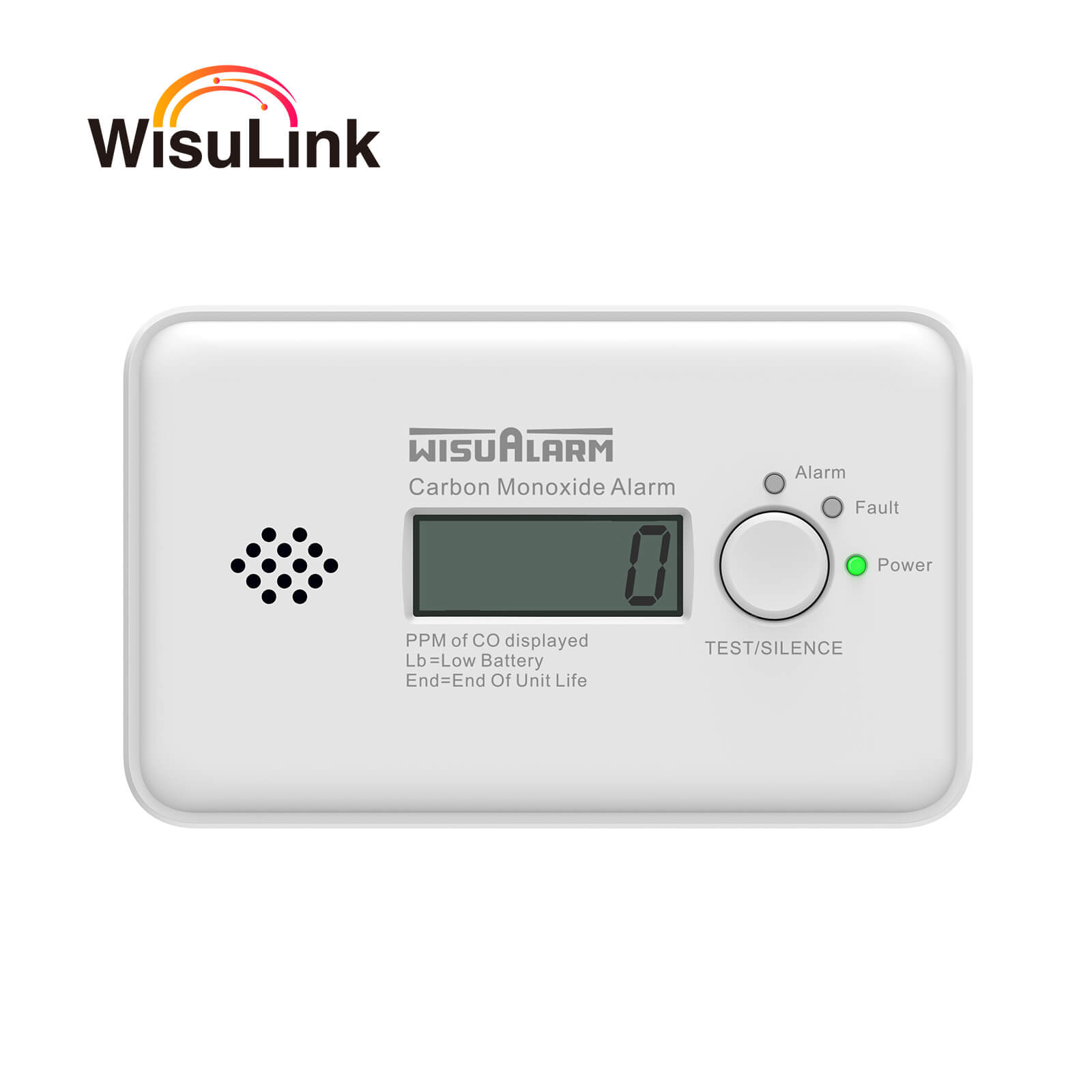
When choosing a CO alarm for your European home, you need a device that meets EN 50291, adapts to local regulations, and fits your lifestyle. Wisualarm’s EU-Specific 10-Year Battery Carbon Monoxide Detector is engineered exclusively for European consumers—addressing the continent’s unique safety needs.
Here’s why it’s the top choice for EU households:
-
Full EN 50291 Compliance: CE-marked and tested to European standards, it operates from -10°C to 40°C (ideal for Scandinavian winters and Mediterranean summers) and resists false alarms from wood smoke and cooking fumes.
-
Flexible Placement for Small Spaces: Compact (11.6cm × 7.2cm × 2.8cm) and wireless, it fits in tiny apartments, attic bedrooms, and utility rooms. Wall-mount or free-standing—no wiring needed (perfect for historic homes with strict renovation rules).
-
10-Year Reliability: A long-life lithium battery (EN 50291-approved) eliminates annual replacements—critical for holiday homes or busy families. The sensor lasts 10 years, exceeding the EU’s 7-year minimum requirement.
Whether you’re in a Berlin apartment with a gas boiler, a Lisbon villa with a propane grill, or a Finnish cottage with a wood stove, Wisualarm’s detector adapts to your space. It’s not just a safety device—it’s designed to work with Europe’s way of life.
Final EU Safety Checklist
Before finishing, confirm your CO setup meets EU standards with this quick checklist:
-
All alarms have the CE mark and EN 50291 certification.
-
At least one alarm per floor, plus one near each fuel-burning appliance.
-
Alarms are placed 1.5–2 meters above the floor (adjust for local rules: e.g., 50 cm from ceiling in France).
-
No alarms in wet areas (bathrooms, saunas) or direct sunlight.
-
Alarms are tested quarterly and replaced every 7–10 years.