


In the modern era of the "Internet of Things" (IoT), we have grown accustomed to controlling our lights, thermostats, and security cameras from the palms of our hands. Naturally, this leads to a critical question for homeowners: Can smoke alarms be connected to your smartphone?
The short answer is a resounding yes. Traditional, "dumb" smoke alarms that only emit a loud siren are rapidly being replaced by intelligent, connected life-safety systems. In this comprehensive guide, we will explore how this technology works, why it is a game-changer for home security, and how to choose the right setup for your family.
1. How Smoke Alarms Connect to Smartphones
Connecting a life-safety device to a mobile app involves more than just a simple cable. There are three primary ways smoke detectors communicate with your phone:
A. Wi-Fi Enabled Alarms (Direct Connection)
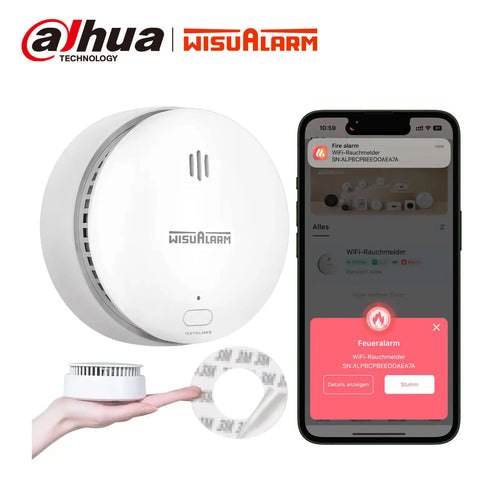
Some smoke detectors come with built-in Wi-Fi chips. These devices connect directly to your home router. Once configured via a mobile app, the alarm sends data to a cloud server, which then pushes notifications to your smartphone.
B. Zigbee or Z-Wave Alarms (Gateway Required)
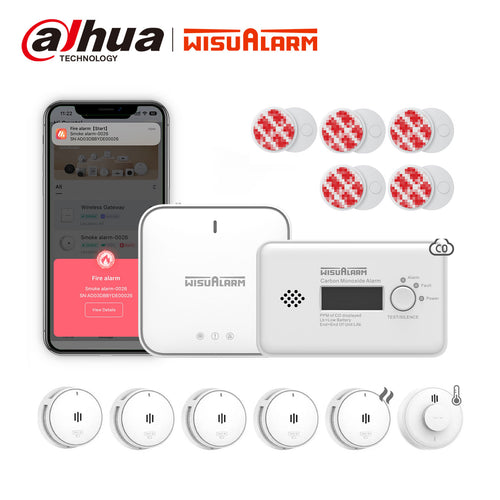
Many professional-grade systems use low-power radio protocols like Zigbee. Because these protocols use very little battery, the alarms cannot talk directly to the internet. Instead, they connect to a Central Gateway (Hub). The gateway acts as a bridge, translating the Zigbee signal into a Wi-Fi signal that your phone can understand.
C. Interlinked Wireless Modules
In advanced setups, alarms are "interlinked" or "interconnected". When one unit detects smoke, it sends a radio signal to every other alarm in the house, causing them all to sound simultaneously. If this network is connected to a smart gateway, the entire system can be monitored via a smartphone.
2. Why Smartphone Connectivity is Essential
If you are away from home, a traditional smoke alarm is effectively useless. Unless a neighbor hears the siren and calls the fire department, the damage could be catastrophic before you even realize there is a problem. Here is why smartphone connectivity is a must-have:
-
Real-Time Remote Alerts: Receive an instant push notification the second smoke or Carbon Monoxide (CO) is detected, no matter where you are in the world.
-
Battery and Sensor Health Monitoring: Instead of waiting for a low-battery "chirp" in the middle of the night, you can check the exact battery percentage and sensor status via an app.
-
Silence False Alarms: We have all burnt toast. With a connected app, you can often "hush" a false alarm from your phone without needing to climb a ladder.
-
Detailed Event Logs: Apps maintain a history of test results and alarm triggers, which can be useful for insurance purposes or maintenance records.
3. Understanding Different Fire Threats: Smoke vs. Heat vs. CO
A truly professional smart home safety system doesn't just look for smoke. It monitors multiple threats:
-
Smoke Alarms: Best for living rooms and bedrooms. They detect smoldering fires quickly.
-
Heat Alarms: Essential for kitchens. Unlike smoke alarms, they aren't triggered by cooking fumes or steam but respond to rapid rises in temperature.
-
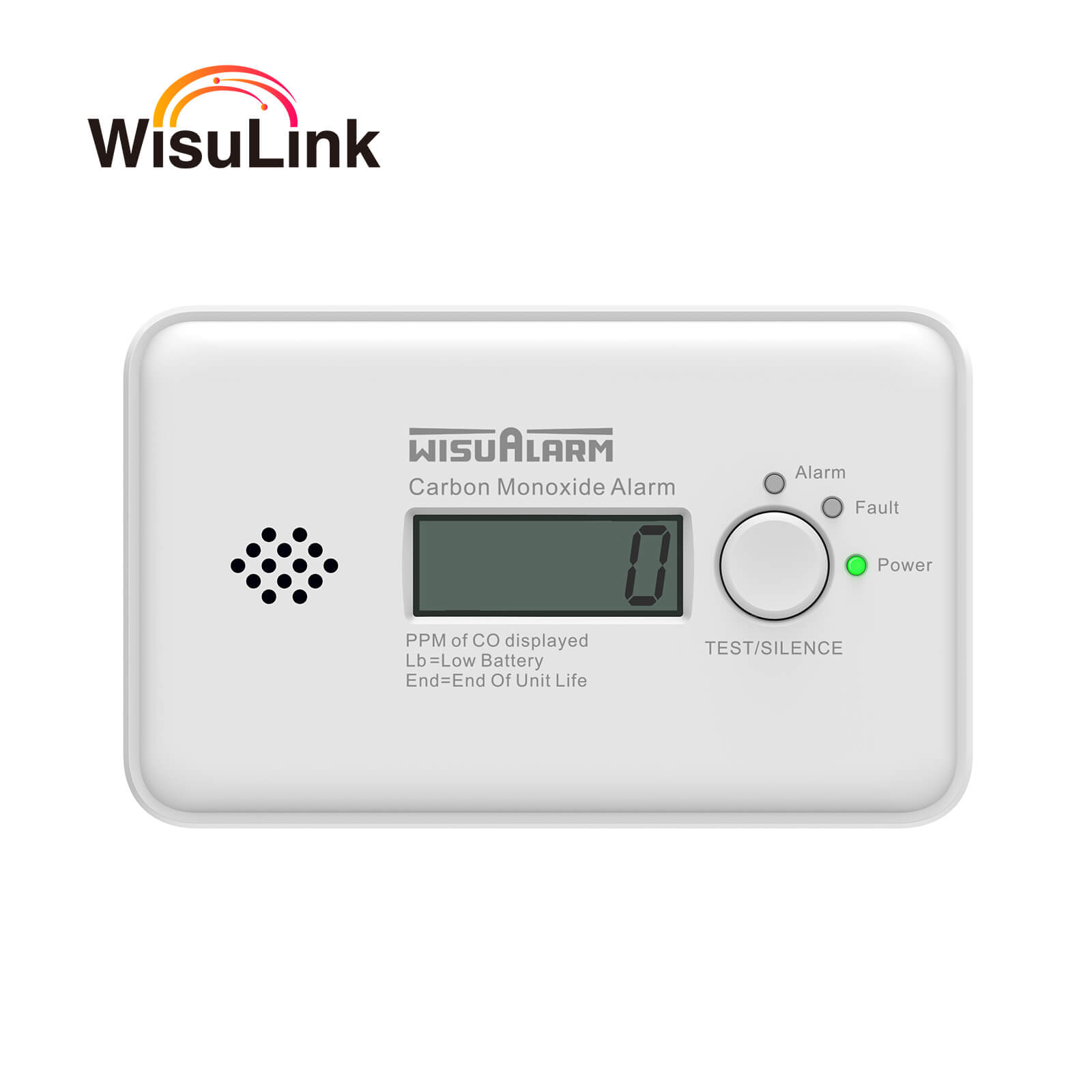
Carbon Monoxide (CO) Alarms: CO is a silent, odorless killer. Monitoring CO via your smartphone is critical because symptoms of CO poisoning can often be mistaken for the flu.
4. The Power of "Interlinked" Systems
The gold standard for fire safety today is the interlinked system. In large homes, a fire in the basement might not be heard by someone sleeping on the third floor.
When your alarms are interlinked:
-
One sounds, they all sound: This ensures the earliest possible warning for everyone in the building.
-
Zoned Identification: High-end apps will tell you exactly which room triggered the alarm (e.g., "Smoke detected in Kitchen").
-
Full Coverage: By combining different types of sensors—smoke, heat, and CO—into one interlinked network, you create a comprehensive safety shield.
5. Installation and Maintenance Tips
Connecting your alarms to your phone is only half the battle; proper placement is key:
-
Every Level: Install at least one alarm on every floor of your home.
-
Near Bedrooms: Ensure alarms are audible inside sleeping areas.
-
Avoid Dead Air: Do not install alarms in the very corners of rooms where air doesn't circulate.
-
Test Regularly: Most smart apps allow you to initiate a "Self-Test" remotely or remind you to press the physical test button monthly.
Upgrade Your Home Safety with Wisualarm
If you are looking to bridge the gap between traditional safety and modern convenience, Wisualarm offers the perfect solution. We specialize in high-performance, interlinked safety kits designed for the modern smart home.
Introducing the Wisualarm Smart Gateway & Alarm Bundles
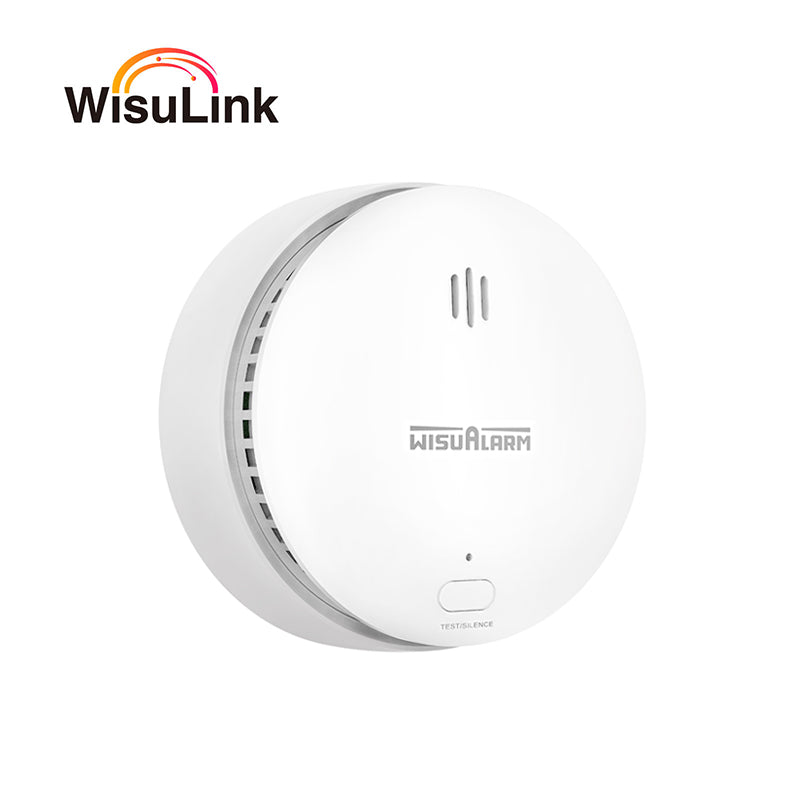
Our featured kits, such as the Gateway and 3 Smoke & 1 CO & 1 Heat Alarm set or our comprehensive WiFi Smoke Alarm, provide everything you need for total peace of mind.
Why Choose Wisualarm?
-
Seamless Integration: Our Smart Gateway connects your entire alarm network to your smartphone effortlessly.
-
10-Year Battery Life: Many of our models, including our CO and Smoke detectors, feature built-in 10-year batteries, eliminating the hassle of annual changes.
-
Interlinked Technology: Our devices use advanced radio frequency to ensure that if one unit detects a threat, every alarm in your home sounds instantly.
-
Certified Reliability: All Wisualarm products meet rigorous European safety standards (such as EN 14604 and BS EN 50291), ensuring professional-grade protection for your family.
Don't wait for an emergency to happen. Transform your phone into a powerful safety tool today.