
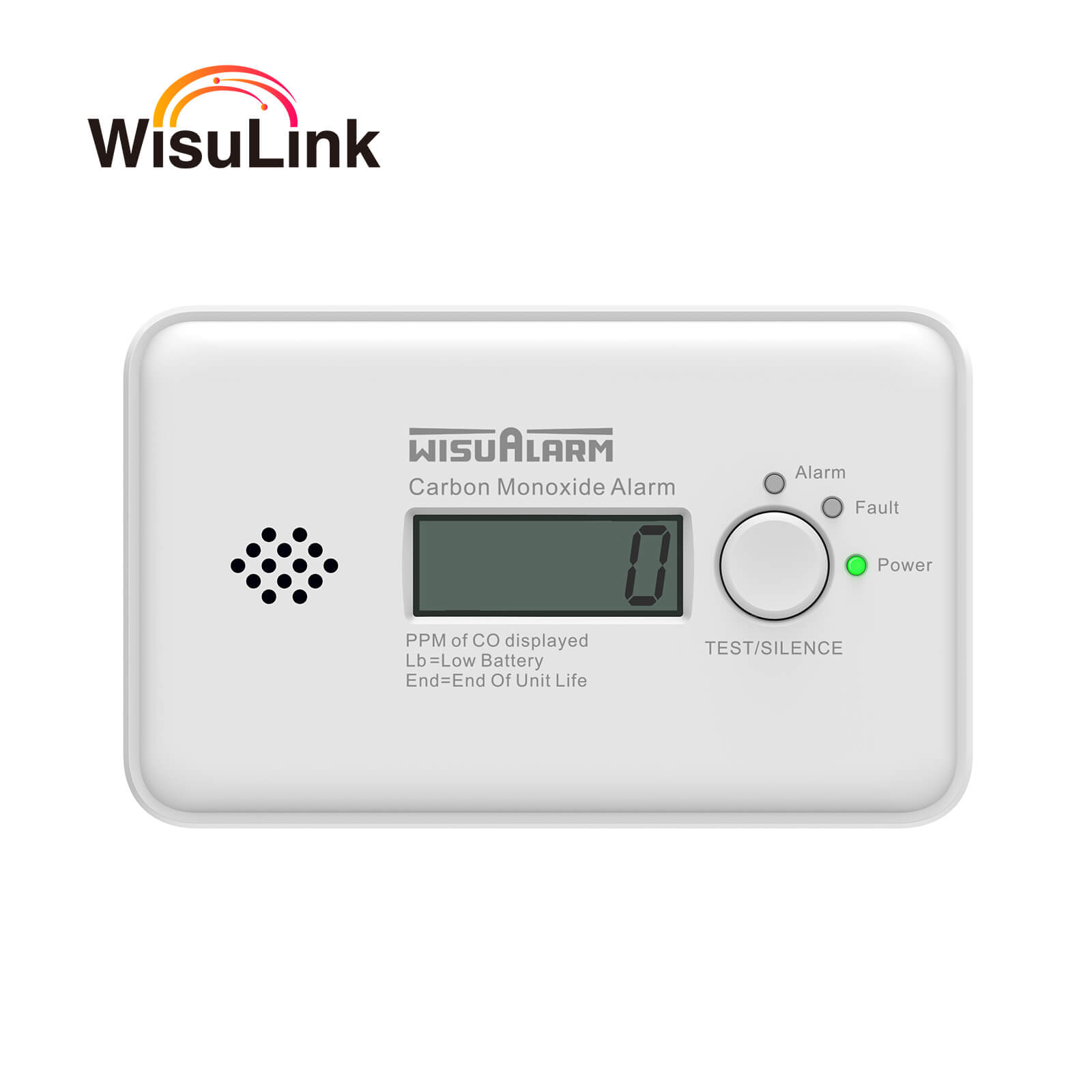
When it comes to home safety, we often focus on what we can see: flickering flames, rising smoke, or a broken window. However, one of the most lethal threats in a domestic environment is completely invisible, tasteless, and odorless. This is Carbon Monoxide (CO). Often referred to as the "Silent Killer," CO claims thousands of lives globally every year. To combat this threat, technology has provided us with the CO alarm. But not all alarms are created equal. In the European market, and specifically in Germany, the gold standard for reliability is often represented by one phrase: TÜV geprüft (TÜV-Certified). In this comprehensive guide, we will explore the science of Carbon Monoxide, the rigorous standards behind TÜV certification, and why...
Stay Safe This Winter: EN-Certified CO Protection for Your Home
As the bitter cold of a German winter settles in, from the snowy peaks of the Alps to the windswept plains of the North, our homes become our sanctuaries. We retreat indoors, sealing windows against the frost and cranking up the heating to stay warm. Whether it is the comforting crackle of a wood-burning stove (Kaminofen), the reliable hum of a gas boiler (Gastherme), or the traditional warmth of a coal heater, these fuel-burning appliances are the heart of the home during the "Heizperiode." However, this seasonal shift brings with it a hidden, deadly risk that every resident in Germany needs to take seriously: Carbon Monoxide (CO) poisoning. The Winter Threat: Why CO Risks Rise When Temperatures Drop Carbon Monoxide...
Why January is the Most Dangerous Month for Carbon Monoxide Incidents
As temperatures drop to their lowest in January, we all retreat into the warmth and comfort of our homes. But while we shield ourselves from the frost, an invisible danger often lurks: Carbon Monoxide (CO). In January, emergency services across Europe see a statistically significant spike in call-outs due to CO poisoning. But why is the risk so high right now, and why does this danger so often go unnoticed? The Invisible Danger: "The Silent Killer" Carbon Monoxide is colourless and odourless. You cannot see it, smell it, or taste it. It is produced by the incomplete combustion of carbon-based fuels such as gas, oil, wood, or coal. In modern homes—where "energy saving" and "air-tight insulation" are high priorities—specific risks...
Carbon Monoxide Detector Flashing Red: What It Means & How to Fix It
Carbon monoxide (CO) is a silent, odorless, and deadly gas—so your CO detector is one of the most critical safety tools in your home. But when its red light starts flashing, it’s easy to panic: Is it a gas leak? A faulty device? Or just a routine alert? Understanding what different red flashing patterns mean can help you act quickly and keep your family safe. In this guide, we’ll break down the most common reasons for a flashing red CO detector, how to troubleshoot issues, and why investing in a reliable detector like Wisualarm’s is your best defense against CO poisoning. Why Is My Carbon Monoxide Detector Flashing Red? Not all red flashes are emergencies—but every one deserves attention. Here’s...